

Facing trafficking fentanyl charges in North Carolina represents one of the most serious drug offenses in the state’s criminal justice system. Under N.C. Gen. Stat. § 90-95(h)(4), trafficking in fentanyl occurs when someone sells, manufactures, delivers, transports, or possesses four grams or more of fentanyl or any mixture containing fentanyl. This offense carries severe penalties and requires immediate legal attention.
The law treats fentanyl trafficking differently from simple possession due to the quantity involved and the presumption that larger amounts indicate distribution rather than personal use. Understanding the elements of this charge and potential defenses can make a critical difference in the outcome of your case.
Read the rest of this entry »What Is a Drug Trafficking Charge in North Carolina?
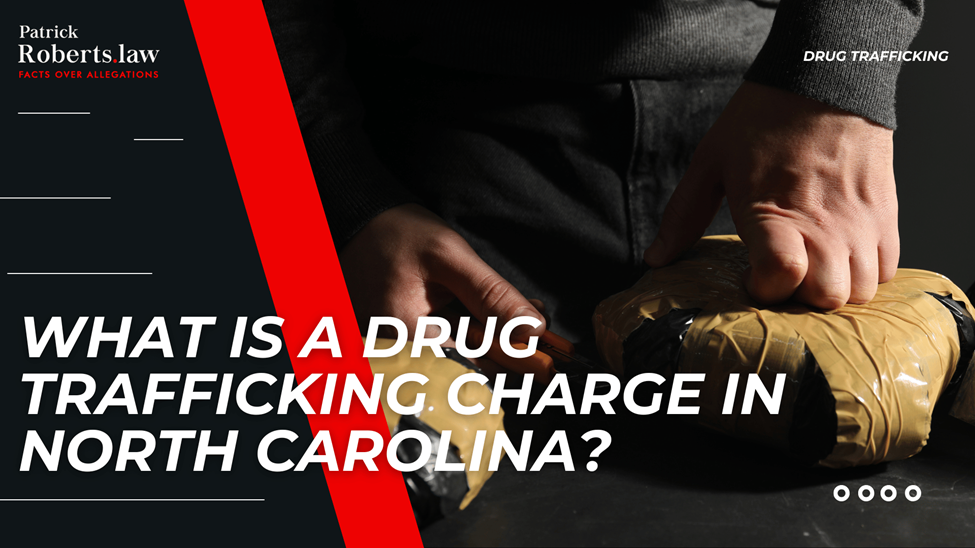
A drug trafficking charge in North Carolina represents one of the most serious criminal accusations you can face. Under N.C. Gen. Stat. § 90-95(h), trafficking occurs when someone sells, manufactures, delivers, transports, or possesses specific quantities of controlled substances. Unlike simple possession charges, trafficking charges are based primarily on the amount of drugs involved, regardless of whether you intended to sell them.
The law presumes that possession of certain quantities indicates an intent to distribute, making these charges particularly challenging to defend against. North Carolina’s trafficking statutes establish specific weight thresholds that transform what might otherwise be a possession charge into a trafficking offense.
Read the rest of this entry »Understanding Accessory to Murder Charges in NC

If you’re facing accusations of being an accessory to murder in North Carolina, you need to understand how state law treats these serious charges. The consequences can be severe, and the legal distinctions between different types of accessory charges can dramatically affect your case outcome.
Read the rest of this entry »
Taking another person’s life is among the most serious acts under North Carolina law. However, not every killing constitutes murder. When someone acts in genuine self-defense, North Carolina law recognizes that the use of deadly force may be justified. Understanding when a killing crosses from justified self-defense into criminal murder requires examining North Carolina’s specific statutes and the circumstances surrounding the incident.
If you or a loved one faces questions about a self-defense incident in North Carolina, the stakes couldn’t be higher. The difference between a justified act of self-defense and a murder charge can mean the difference between walking free and facing life in prison or even the death penalty.
Read the rest of this entry »What Misdemeanors Disqualify

If you’re facing misdemeanor charges in North Carolina, you need to know how these charges might affect your gun rights. While most people know felonies can take away your right to own guns, certain misdemeanors can also make it illegal for you to own or possess firearms under both federal and North Carolina laws.
Read the rest of this entry »What Is Misdemeanor Larceny in North Carolina?

Misdemeanor larceny is a type of theft crime in North Carolina that’s less serious than felony larceny. Both involve taking someone else’s property, but it’s important to know the difference if you’re facing theft charges in North Carolina.
Read the rest of this entry »What Is Possession of Firearm by Felon in NC?
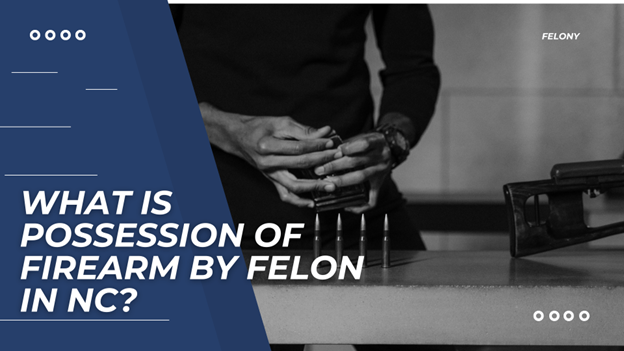
If you or someone you know has been charged with having a gun as a felon in North Carolina, you’re facing serious legal trouble. As Patrick Roberts Law, we’ve helped many clients deal with these gun laws and protect their rights. This guide explains what you need to know about possession of firearm by felon in North Carolina, the possible punishments, and how you might defend against these charges.
Read the rest of this entry »Misdemeanor Death by Vehicle in North Carolina

What Is Misdemeanor Death by Vehicle in North Carolina?
In North Carolina, misdemeanor death by vehicle happens when:
- Someone accidentally causes another person’s death
- They were breaking a traffic law (not including drunk driving)
- Breaking this traffic law directly caused the death
According to North Carolina law (G.S. § 20-141.4(a2)), this might involve running a red light, speeding, or other traffic violations that lead to a fatal accident. This is different from felony death by vehicle, which involves driving while impaired under G.S. § 20-138.1 or G.S. § 20-138.2.
Read the rest of this entry »Larceny vs. Theft vs. Burglary

Larceny vs. Theft: What’s the Difference in North Carolina?
If you’ve been charged with a property crime in North Carolina, you might be confused about the terms “larceny” and “theft.” Here’s what you need to know:
Larceny is the official legal term North Carolina uses in its laws for taking someone else’s property without permission. According to North Carolina law, larceny is typically a Class H felony unless stated otherwise (N.C.G.S. § 14-70).
Theft is the everyday term most people use, but you won’t find it specifically defined in North Carolina law books. Instead, the courts and legal documents use “larceny” for what most people call “theft.”
In simple terms: larceny is North Carolina’s legal word for theft.
Read the rest of this entry »Is Assault a Felony in North Carolina?
Understanding Assault Charges in North Carolina
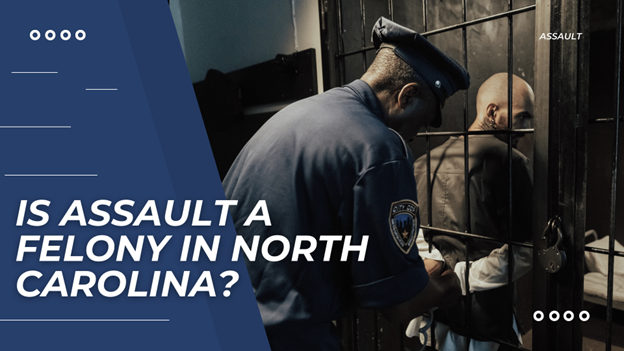
Many people facing assault charges in North Carolina ask: “Is assault a felony in North Carolina?” The answer isn’t simple, as assault can be either a misdemeanor or a felony depending on the details of what happened. Understanding these differences is important for anyone facing assault charges in the state.
North Carolina law (specifically sections § 14-33 through § 14-34.2) outlines different levels of assault charges and their penalties. This guide will explain when assault is treated as a misdemeanor and when it’s considered a more serious felony offense in North Carolina.
Read the rest of this entry »Former assistant district attorney
Contact Patrick Roberts
Facing criminal charges in North Carolina demands seasoned representation. Trust in the experience and dual perspective of Patrick Roberts. Reach out today for a confidential consultation.
-
Call Our Team
Calls answered 24/7







For more information on the selection criteria, go to www.martindale.com
*Each case is different and must be evaluated separately. Prior results achieved do not guarantee similar results can be achieved in future cases.