

Patrick Roberts Law provides aggressive defense representation for individuals charged with internet-based solicitation offenses in Cary, NC and throughout Wake County.
An online solicitation conviction can result in prison time, substantial fines, sex offender registration, and a permanent criminal record that follows you for years. Don’t face these serious charges alone. Patrick Roberts offers free consultations and has earned excellent reviews from past clients for providing dedicated legal representation to Cary residents facing internet crime allegations.
Why Choose Patrick Roberts Law?
Proven Track Record* in Digital Crime Defense
Patrick Roberts Law has built a reputation as skilled trial lawyers who aren’t afraid to take online solicitation cases to court when necessary. Attorney Patrick Roberts’ background as a former assistant district attorney provides unique insights into how the prosecution builds internet crime cases and the weaknesses that can be challenged in court.
*Each case is different and must be evaluated separately. Prior results achieved do not guarantee similar results can be achieved in future cases.
Comprehensive Understanding of North Carolina Online Solicitation Laws
With extensive experience handling internet-based criminal cases throughout Wake County, Patrick Roberts Law understands the nuances of North Carolina’s online solicitation laws. This includes knowledge of digital evidence collection procedures, entrapment defenses, and proper law enforcement protocols that must be followed during online investigations.
Free Consultations and Personalized Attention
Every online solicitation case is unique, and Patrick Roberts Law provides free consultations to evaluate your specific situation. During your consultation, attorney Patrick Roberts will review the circumstances of your case, examine the digital evidence against you, and explain your legal options moving forward.
How an Online Solicitation Defense Attorney Can Protect Your Rights
Challenging Digital Evidence Collection
One of the first things a skilled online solicitation attorney will examine is whether law enforcement properly collected and preserved digital evidence. If evidence was obtained without proper warrants or through illegal searches, it may be suppressed, potentially leading to dismissal of charges.
Examining Entrapment Claims
Many online solicitation cases involve undercover officers or informants who may have induced criminal behavior that wouldn’t have occurred otherwise. An experienced defense attorney knows how to challenge these tactics and present entrapment defenses when appropriate.
Questioning Chat Log Authenticity
Digital communications can be manipulated, taken out of context, or misinterpreted. Patrick Roberts Law thoroughly investigates the authenticity and accuracy of chat logs, emails, and other digital evidence used by prosecutors.
Protecting Your Constitutional Rights
Online investigations must comply with constitutional protections against unreasonable searches and seizures. Attorney Patrick Roberts scrutinizes every aspect of the investigation to ensure your rights were protected throughout the process.
Understanding Online Solicitation Laws in North Carolina
What Constitutes Online Solicitation in Cary?
North Carolina law prohibits using electronic communication to solicit minors for sexual purposes. This includes text messages, social media platforms, dating apps, chat rooms, and any other digital communication method. The prosecution must prove intent to engage in sexual activity with someone they believed to be under 16 years old.
Penalties for Online Solicitation Convictions
Online solicitation charges in Wake County can result in:
- Prison sentences ranging from several months to multiple years
- Substantial fines and court costs
- Mandatory sex offender registration with lifetime monitoring requirements
- Probation with strict supervision and internet restrictions
- Loss of professional licenses and career opportunities
- Restrictions on housing and proximity to schools and parks
How Online Solicitation Charges Can Impact Your Life in Cary
Employment Consequences
Many Cary employers conduct background checks and may be reluctant to hire individuals with online solicitation convictions. This is particularly true for positions involving computer access, working with vulnerable populations, or requiring professional licenses.
Professional License Issues
Healthcare professionals, teachers, attorneys, and other licensed professionals may face disciplinary action from their licensing boards following online solicitation arrests or convictions. Some professions require immediate disclosure of criminal charges, even before conviction.
Impact on Family Relationships
Online solicitation charges can devastate family relationships and may affect child custody arrangements. The stigma associated with these charges can strain marriages and impact your relationship with children and extended family members.
Housing and Community Restrictions
Conviction may result in restrictions on where you can live and work, particularly near schools, playgrounds, or other areas where children congregate. These restrictions can significantly limit housing options in Cary and surrounding Wake County communities.
How Do Skilled Lawyers Defend Against Online Solicitation Charges?
Common Defense Strategies
Patrick Roberts Law uses various defense strategies depending on the specific circumstances of your case:
Challenging Intent: Prosecutors must prove you intended to engage in sexual activity with a minor. Innocent conversations or misunderstandings can be mischaracterized as criminal solicitation.
Age Verification Issues: If you reasonably believed the person was an adult based on their representations or appearance, this may impact the prosecution’s case.
Entrapment Defense: When law enforcement induces criminal behavior that wouldn’t have occurred otherwise, entrapment defenses may apply.
Digital Evidence Challenges: Questioning the authenticity, chain of custody, and interpretation of digital communications and evidence.
Working with Wake County’s Court System
Most online solicitation cases in Cary are initially heard in the Wake County Superior Court system. Patrick Roberts Law is familiar with the procedures and personnel at local courthouses, which can be advantageous when negotiating with prosecutors or presenting your case to judges.
Frequently Asked Questions About Online Solicitation Defense
What should I do if I’m contacted by law enforcement about online solicitation allegations?
Exercise your right to remain silent and contact an attorney immediately. Do not provide statements or consent to searches of your electronic devices without legal representation present.
Can online solicitation charges be reduced or dismissed in Wake County?
Yes, with skilled legal representation, charges can sometimes be reduced to lesser offenses or dismissed entirely based on insufficient evidence, constitutional violations, or successful entrapment defenses.
How long do online solicitation cases typically take to resolve?
Case duration varies significantly based on complexity, evidence volume, and court schedules. Simple cases may resolve in months, while complex cases involving extensive digital evidence can take a year or more.
What happens to my electronic devices if I’m arrested for online solicitation?
Law enforcement typically seizes computers, phones, and other devices for forensic examination. An experienced attorney can challenge improper searches and work to limit the scope of digital evidence collection.
How does sex offender registration work in North Carolina?
Online solicitation convictions typically require registration as a sex offender, which involves regular reporting to law enforcement, address restrictions, and public notification requirements that can last for decades. Read more by visiting our blog.
Contact Patrick Roberts Law Today
Time is critical in online solicitation cases. The sooner you contact our office, the sooner we can begin protecting your rights and building your defense. Contact us for a free consultation by calling 919-746-7206 or visiting our contact page.
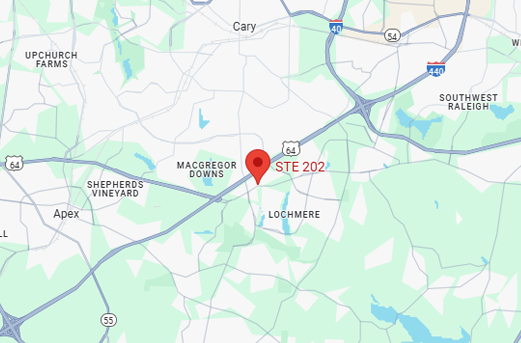
Our Cary office is conveniently located at 543 Keisler Dr, Suite 202, serving clients throughout Wake County and the greater Triangle area. Don’t let online solicitation charges define your life. Don’t wait, contact us today.
Disclaimer: The information on this website is for general information purposes only. Nothing on this site should be taken as legal advice for any individual case or situation. Case results depend upon a variety of factors unique to each case. Prior results do not guarantee a similar outcome.
Former assistant district attorney
Contact Patrick Roberts
Facing criminal charges in North Carolina demands seasoned representation. Trust in the experience and dual perspective of Patrick Roberts. Reach out today for a confidential consultation.
-
Call Our Team
Calls answered 24/7






For more information on the selection criteria, go to www.martindale.com
*Each case is different and must be evaluated separately. Prior results achieved do not guarantee similar results can be achieved in future cases.