Blog / Criminal Defense

Blog

All Criminal Defense Criminal Defense Lawyer Sex Defense Felony Charges Lawyer Drug Charges Sex Defense Lawyer Murder Charges Rape Case Statutory Rape Charges Drug Crimes & Violations Drug Trafficking Violent Crime Domestic Violence Child Exploitation Charges Indecent Liberties North Carolina Criminal Law Sexual Assault North Carolina Law Fentanyl Crimes indecent liberties with a minor Sex Crimes Sex Crimes Defense Sex Offender Registry Sexual exploitantion of minors Meth Trafficking Age of Consent Aggravated Sexual Assault Artificial Intelligence Child Enticement Charges child grooming Child Rape Constitutional Rights & Warrants Criminal Defense & Travel Law Criminal Justice Criminal Law Cybercrime Defense Data Privacy Digital Evidence Entrapment defense False Accusations Family Law Federal Offenses Indecent Exposure Legal Defense Strategies Legal Resources Legal Updates Possession with intent to sell Sex Crimes & Registry Sex Crimes Defense Strategies Sex Offender Registration Requirements Sex Offender Registry Compliance Sex Offense Defense Sexting Laws solicitation of a child by computer Solicitation of a Minor Charge State vs. Federal Laws Statute of Limitations Statutory Sex Offense
A courthouse with stone columns and lion carvings is shown. Bold text asks, "Is Indecent Exposure a Felony in North Carolina?".

Is Indecent Exposure a Felony in North Carolina?

In North Carolina, indecent exposure can be either a misdemeanor or a felony, depending on what happened. If you or someone you know is facing these charges in North Carolina, it's important to understand the difference. more What Are the Indecent Exposure Laws in North Carolina? North Carolina law (General Statute § 14-190.9) says that indecent exposure happens when someone purposely shows their private parts in public where others can see. Whether it's a felony or misdemeanor depends on several things like the person's age, whether children were present, and why the person exposed themselves. North Carolina takes these cases very seriously when children are involved. The law clearly spells out different situations and the punishments that go with them. When Is Indecent Exposure a Misdemeanor in North Carolina? Most often, indecent exposure is charged as a Class 2 misdemeanor in North Carolina. This happens when: Someone purposely shows their private parts in a public place where others can see (G.S. § 14-190.9(a)) Someone exposes themselves on someone else's private property or where they can be seen from private property, in front of anyone except a consenting adult (G.S. § 14-190.9(a2)) A person over 18 exposes themselves in someone else's home where a child lives (G.S. § 14-190.9(a4)) Someone in a private place exposes themselves intending to be seen by someone in a public place (G.S. § 14-190.9(a5)) These cases are less serious than felony charges, but North Carolina courts still take them seriously. Even misdemeanor convictions can hurt your reputation, job opportunities, and personal relationships. When Is Indecent Exposure a Felony in North Carolina? Indecent exposure becomes a Class H felony in North Carolina when all these things happen: The person showing themselves is at least 18 years old The exposure happens in a public place A child under 16 years old sees it The purpose was sexual pleasure or excitement The law clearly states that felony indecent exposure is separate from the crime of "taking indecent liberties with children" (G.S. § 14-202.1). This means a person could be charged with both crimes for the same incident, facing multiple serious penalties. What Penalties Can You Face for Indecent Exposure in North Carolina? The consequences vary greatly depending on whether you're charged with a misdemeanor or felony. For Class 2 Misdemeanor Indecent Exposure: Could face a short jail term (depending on your criminal history) Fines (usually not more than $1,000) Possible probation with requirements like community service or counseling No required sex offender registration (though a judge might order it in some cases) A criminal record that can affect jobs, housing, and other opportunities For Class H Felony Indecent Exposure: Might result in a prison sentence (depending on your criminal history) Required sex offender registration, usually for at least 30 years Long-term damage to your reputation and job prospects Restrictions on where you can live or work, including not being allowed near schools, daycare centers, or parks Problems getting or keeping custody or visitation with children Limits on certain professional licenses and career options Regular check-ins with police Possible limits on internet and social media use Public notification about your offender status The effects of a felony indecent exposure conviction can follow you for decades, affecting almost every part of your life. This makes getting a good lawyer especially important. What Are the Exceptions to North Carolina's Indecent Exposure Laws? North Carolina law makes some exceptions to indecent exposure rules: The law clearly states (G.S. § 14-190.9(b)) that breastfeeding in public is allowed, even if the nipple is exposed. This applies anywhere the mother is allowed to be. Exposure in places meant for activities where same-sex exposure is expected (like locker rooms, changing areas, or medical facilities) is not a crime under G.S. § 14-190.9(a). The law recognizes the difference between purposely exposing yourself for sexual reasons and accidental exposure. Your intent matters in determining charges. How Can You Defend Against Indecent Exposure Charges? A good defense lawyer might use several defenses against indecent exposure charges, including: It was an accident (no intent to expose) Wrong person identified False accusations Rights violations during arrest or investigation Mental health issues No sexual motivation Lack of witnesses or not enough evidence Why Should You Contact a North Carolina Criminal Defense Attorney? If you're facing indecent exposure charges in North Carolina, especially felony charges, the consequences can be severe and last a long time. A good criminal defense attorney can: Review the evidence against you and find weaknesses in the case Check if police followed proper procedures during your arrest Identify possible defenses based on intent, witness reliability, or rights violations Negotiate for lesser charges or alternative sentences when possible Represent you effectively at trial if needed Advise you about other consequences beyond just legal penalties Protect your rights throughout the legal process Potentially help you avoid having to register as a sex offender Contact a North Carolina Criminal Defense Attorney Today Don't face indecent exposure charges alone. Whether it's a misdemeanor or felony charge, the impact on your life can be huge. An experienced North Carolina criminal defense attorney can help you understand your options and build the strongest possible defense. Remember that every indecent exposure case is different. The specific details of what happened will determine both the charges and possible defenses available to you. Getting legal help quickly is essential to protecting your rights and future. The sooner you get an attorney involved in your case, the better your chances of a good outcome. If you or someone close to you has been charged with indecent exposure, it’s important to have an attorney who understands what’s at stake and knows how to fight for your future. At Patrick Roberts Law, Attorney Patrick Roberts has a proven track record of defending clients against these serious accusations. Reach out today to schedule a private consultation.

A courthouse with classical architecture is shown. Blue banners highlight key points about the statute of limitations for statutory rape in North Carolina.

What Is the Statute of Limitations for Statutory Rape in North Carolina?

In North Carolina, sex crimes against minors come with serious consequences. Many people search for information about "statutory rape statute of limitations" in North Carolina to understand how long authorities have to bring charges. This guide explains these laws in plain language. more Is There a Time Limit for Statutory Rape Charges in North Carolina? The most important fact to understand is straightforward: North Carolina has no statute of limitations for felony crimes, including all statutory rape charges. This differs from many other states. What "No Time Limit" Means for You When there's no statute of limitations: Prosecutors can bring statutory rape charges no matter how many years have passed An allegation of statutory rape from 20 years ago can be prosecuted today The risk of being charged never expires Old allegations can lead to current criminal charges This creates a permanent legal risk that never diminishes with time. How Do North Carolina's Statutory Rape Laws Work? North Carolina law defines several types of statutory rape based on the ages of those involved. Statutory Rape of Person 15 or Younger (§ 14-27.25) Two levels of this offense exist: More Serious (Class B1 Felony): When the defendant is at least 12 years old and at least six years older than the victim who is 15 or younger. Less Serious (Class C Felony): When the defendant is at least 12 years old and more than four but less than six years older than the victim who is 15 or younger. The law makes an exception for lawfully married couples. Sexual Offense with a Child by an Adult (§ 14-27.28) This serious crime occurs when: A person 18 or older engages in a sexual act with a child under 13. This is a Class B1 felony with substantial prison term required. In the worst cases, life imprisonment without parole is possible. First-Degree Statutory Sexual Offense (§ 14-27.29) This happens when: A person engages in a sexual act with a child under 13 when the defendant is at least 12 years old and at least four years older than the victim. This is also a Class B1 felony. Sexual Offense with Person 15 or Younger (§ 14-27.30) Like statutory rape, but covering sexual acts other than intercourse: More Serious (Class B1 Felony): When the defendant is at least 12 years old and at least six years older than the victim who is 15 or younger. Less Serious (Class C Felony): When the defendant is at least 12 years old and more than four but less than six years older than the victim who is 15 or younger. What's the Difference Between Felony and Misdemeanor Sex Crimes in North Carolina? While felony sex crimes have no time limit for prosecution, misdemeanors work differently. Time Limits for Misdemeanors According to North Carolina law: Most misdemeanors must be charged within 2 years of when they happened. However, certain misdemeanors related to child abuse or sexual conduct have a 10-year time limit. These include: Failure to report suspected child abuse Sexual battery Indecent liberties between children Child abuse Sharing private images without consent by a person under 18 How Severe Are the Penalties for Statutory Rape in North Carolina? Convictions for statutory rape carry some of the harshest penalties in North Carolina's legal system. Class B1 Felony Penalties The most serious statutory rape charges can result in: Potentially decades—or even life—in prison. For sexual offense with a child by an adult, the sentence can include lengthy incarceration (§ 14-27.28). Class C Felony Penalties Less severe statutory rape charges can result in: A number of years behind bars, depending on criminal history and other factors. Beyond Prison Time A statutory rape conviction also means: Sex offender registration, often for life Limits on where you can live and work Criminal record affecting jobs and housing Loss of voting rights while in prison and gun ownership rights How Can You Defend Against Statutory Rape Charges? With no time limit on prosecution and severe penalties, a strong legal defense is crucial. Why You Need a Lawyer Immediately Because charges can come years after an alleged incident: Evidence may be lost Memories fade Witnesses move away or die A skilled North Carolina sex crimes defense lawyer can: Gather evidence while it's still available Identify witnesses who support your case Challenge the prosecution's timeline and evidence Find the best defense strategy for your situation Possible Defense Strategies Defense options may include: Wrong person identified: This is common when allegations surface years later. Marriage exception: North Carolina law doesn't apply these laws to lawfully married couples. It never happened: Proving the alleged acts didn't occur. Rights violations: Challenging improperly obtained evidence. Remember that consent isn't a defense. Minors legally cannot consent to sexual activity with adults. Why Does the Absence of a Statute of Limitations Matter in North Carolina? The unlimited time for prosecution creates special challenges in these cases. Evidence Problems in Old Cases When cases come up years or decades later: Physical evidence is often gone Memories have changed or faded Witnesses may be unavailable A good defense lawyer becomes even more important in these cases. They can spot inconsistencies in testimony, question the reliability of old accusations, and protect your right to a fair trial. The Personal Impact Facing accusations from the distant past can be emotionally devastating and impact existing relationships with your spouse and loved ones. A caring and skilled defense lawyer helps navigate both the legal challenges and the emotional toll of such accusations. Why Should You Get Help for Statutory Rape Allegations? If you or someone you know faces statutory rape allegations in North Carolina, understanding there's no time limit for charges highlights the urgent need for legal help. Finding the Right Lawyer A North Carolina defense lawyer with experience in sex offense cases will know: The details of North Carolina's sex crime laws How to defend cases where allegations are years old How to navigate these sensitive cases All the possible consequences beyond just prison time Building Your Defense An experienced lawyer will: Investigate the allegations thoroughly Gather evidence supporting your version of events Work with experts when needed Negotiate with prosecutors when possible Prepare fully for trial when necessary Key Takeaways: Statutory Rape Charges in North Carolina North Carolina's approach creates a lifelong risk of prosecution for statutory rape. Anyone facing these allegations should understand: There is no time limit or statute of limitations for statutory rape charges in North Carolina Charges can come decades after an alleged incident Penalties include lengthy prison sentences and lifetime consequences Getting a skilled lawyer immediately is essential The combination of no time limit and harsh penalties makes statutory rape allegations extremely serious in North Carolina. Working with an experienced defense lawyer gives you the best chance at protecting your rights and future. If you or a loved one are facing statutory rape charges, you deserve a legal advocate with the experience and dedication to secure the best possible outcome. Attorney Patrick Roberts of Patrick Roberts Law has successfully defended numerous clients facing statutory rape charges. Contact our firm today for a confidential consultation.

Police officers surround a seated man. The text reads "ATTEMPTED MURDER IN NORTH CAROLINA," with "MURDER" in the corner.

Attempted Murder in North Carolina

What Constitutes Attempted Murder in North Carolina? Attempted murder is one of the most serious crimes someone can be charged with in North Carolina. If you're facing these charges, understanding what they mean is extremely important. In North Carolina, attempted murder means taking clear steps toward killing someone with the intent to cause their death, even though the person survives. The law treats this very seriously because the only difference between attempted murder and actual murder is that the victim lived. more What Prosecutors Must Prove in an Attempted Murder Case For someone to be found guilty of attempted murder in North Carolina, prosecutors must prove several things beyond a reasonable doubt: Intent to Kill The prosecutor must show that the person specifically meant to kill someone else. This is different from just wanting to hurt or scare them. To prove this, prosecutors often use: Things the person said before, during, or after the incident The type of actions taken against the victim What kind of weapon was used, if any Any past threats or statements about wanting to kill the victim Taking Clear Action Besides proving intent, prosecutors must show that the person took a direct action toward killing the victim. This action must go beyond just planning or preparing. It must be a substantial step toward committing the murder. Examples might include: Shooting a gun at someone Stabbing or hitting someone with a weapon Poisoning food or drink meant for the victim Doing something that would likely cause death, like cutting a car's brake lines The Victim Survived For attempted murder charges to apply, the victim must have survived. If the victim dies, the charges would be for murder instead of attempted murder. What Are the Penalties for Attempted Murder in North Carolina? North Carolina law (General Statute § 14-2.5 "Punishment for attempt to commit a felony or misdemeanor") says that attempt crimes are usually punished one level lower than the completed crime. Here's what that means for attempted murder: How Is Attempted First-Degree Murder Punished? First-degree murder in North Carolina (G.S. § 14-17(a)) is a Class A felony. According to G.S. § 14-2.5, "an attempt to commit a Class A or Class B1 felony is a Class B2 felony." This means attempted first-degree murder is a Class B2 felony. If convicted of attempted first-degree murder, you could face: Serious prison time No chance of probation instead of prison A permanent felony record First-degree murder (and attempted first-degree murder) involves what G.S. § 14-17(a) describes as a "willful, deliberate, and premeditated killing," which means planning the killing ahead of time. It also includes murder "committed in the perpetration or attempted perpetration of any arson, rape or a sex offense, robbery, kidnapping, burglary, or other felony committed or attempted with the use of a deadly weapon." What Penalties Apply to Attempted Second-Degree Murder? According to G.S. § 14-17(b), second-degree murder is usually classified as a Class B1 felony. Per G.S. § 14-2.5, an attempt to commit a Class B1 felony is classified as a Class B2 felony. Therefore, since second degree murder is typically a Class B1 felony, most attempted second-degree murders are a Class B2 felony. If convicted of attempted second-degree murder, you could face: Serious prison time Limited possibility of probation, depending on your past record A permanent felony record Second-degree murder, as defined in G.S. § 14-17(b), means the person acted "with malice" but without the premeditation and deliberation required for first-degree murder. The law recognizes both clear intent to kill and what the statute describes as "an inherently dangerous act or omission, done in such a reckless and wanton manner as to manifest a mind utterly without regard for human life and social duty and deliberately bent on mischief." Which Factors Can Worsen Attempted Murder Penalties? Several things can make the punishment for attempted murder more severe: Domestic Violence Cases Under North Carolina law (G.S. § 14-17(a1)), if you try to kill someone you have a domestic relationship with, and you have past domestic violence convictions against that same person, "there shall be a rebuttable presumption that the murder is a 'willful, deliberate, and premeditated killing'" and therefore first-degree murder. This same presumption would apply to attempted murder cases. This applies if the victim is: Your spouse or ex-spouse Someone you live with or have lived with as a couple Someone you're dating or have dated Someone you have a child with Past Criminal Record North Carolina courts look at your criminal history when deciding your sentence. If you have many past convictions, you'll likely get a longer sentence even for the same crime. What Defenses Can Be Used Against Attempted Murder Charges? (G.S. § 14-2.5 and G.S. § 14-17) If you're facing attempted murder charges in North Carolina, several legal defenses might be available depending on your situation. Self-Defense or Defense of Others North Carolina recognizes your right to use reasonable force, including deadly force in some cases, to protect yourself or others from serious harm. For this defense to work, you typically need to show: You reasonably believed you or someone else was in immediate danger of death or serious injury The force you used was necessary to prevent that harm You didn't use more force than needed in the situation You didn't start the fight or provoke the other person Lack of Intent to Kill Since attempted murder requires specific intent to kill, evidence that you didn't have this intent can be a defense. Your lawyer might argue that you: Only meant to frighten or injure, not to kill Acted recklessly but without specifically intending to cause death Were too intoxicated or had mental health issues that prevented you from forming the intent to kill Not Enough Evidence The prosecution must prove all elements of attempted murder beyond a reasonable doubt. If there isn't enough evidence of intent to kill or of a substantial step toward murder, this can be a defense. Common arguments include: Your actions were unclear and didn't clearly show intent to kill The evidence is circumstantial and could be interpreted innocently Witness testimony is unreliable or contradictory Physical evidence doesn't support the prosecution's theory Mental Health Issues In some cases, mental illness may affect a person's ability to form the specific intent required for attempted murder charges. North Carolina law recognizes several mental health-related defenses: Insanity: You were legally insane when the offense happened Diminished capacity: Your mental condition prevented you from forming specific intent Why You Need an Experienced Lawyer Given how serious attempted murder charges are and the harsh penalties you could face, having an experienced lawyer is crucial. A good North Carolina criminal defense attorney can: Investigate Your Case Thoroughly A skilled defense lawyer will look into all aspects of your case, including: Talking to witnesses Examining crime scene evidence and police reports Consulting with experts in relevant fields Finding inconsistencies or weaknesses in the prosecution's case Challenge Evidence and Police Procedures An experienced attorney will examine the evidence and procedures used in your case, looking for: Violations of your rights during arrest or questioning Improper handling or testing of physical evidence Failure to follow proper police procedures Possible bias in witness statements or identifications Negotiate with Prosecutors In some cases, negotiating with prosecutors may be in your best interest. A skilled attorney can: Present factors that might justify reduced charges Negotiate plea deals that reduce penalties Argue for alternative sentencing when possible How Does an Attempted Murder (Class B2 or Class C Felony) Conviction Affect Your Future? The consequences of an attempted murder conviction go far beyond just prison time. Those convicted face many long-term effects that can impact almost every part of their lives. Criminal Record and Background Checks A felony conviction for attempted murder will show up on background checks, potentially affecting: Job opportunities (many employers won't hire people with violent felony convictions) Housing applications (landlords may deny housing to those with violent criminal histories) Professional licenses (many professions require background checks) Educational opportunities (some programs restrict admission of people with violent convictions) Loss of Civil Rights Felony convictions in North Carolina result in the loss of certain civil rights: Loss of the right to own or possess firearms Loss of voting rights while in prison (though rights can be restored after completing the sentence) Possible disqualification from jury service Immigration Consequences For non-citizens, an attempted murder conviction may have severe immigration consequences: Possible deportation Ineligibility to become a U.S. citizen Denial of reentry into the United States Loss of visas or green cards Conclusion: What to Do If You're Facing Attempted Murder Charges Under G.S. § 14-2.5 Attempted murder charges in North Carolina are among the most serious legal problems a person can face. The combination of complex legal elements, severe penalties, and life-changing consequences makes these cases particularly challenging. Remember that every case is different, and your specific situation will determine the most effective defense strategies and possible outcomes. With a knowledgeable lawyer and an understanding of North Carolina's attempted murder laws, you can ensure you receive fair treatment under the law and the strongest possible defense against these serious charges. If you or a loved one are facing attempted murder charges, you deserve a legal advocate with the experience and dedication to secure the best possible outcome. Attorney Patrick Roberts of Patrick Roberts Law has successfully defended numerous clients facing allegations of homicide crimes. Contact our firm today for a confidential consultation.

Cover for a discussion on the legal distinctions between murder and manslaughter in North Carolina. The crime board in the background suggests an investigative or legal theme, emphasizing the seriousness and complexity of these offenses.

Murder vs. Manslaughter in North Carolina

What Are the Different Homicide Types in North Carolina? In North Carolina, the difference between murder and manslaughter is important. These two charges can mean very different punishments and reflect how the law views the person's intent and the circumstances of the death. Whether you're looking for information for yourself or someone you care about, understanding these differences can help you navigate a difficult legal situation. more How Does North Carolina Define Murder Charges? North Carolina law divides murder into different categories, each with specific elements that prosecutors must prove beyond a reasonable doubt. What Constitutes First-Degree Murder in North Carolina? First-degree murder is the most serious homicide charge in North Carolina. According to North Carolina General Statute § 14-17(a), first-degree murder includes killings that are: Planned and thought out ahead of time (willful, deliberate, and premeditated killing) Committed while doing another serious crime (like robbery or rape) or felony murder Carried out using poison, lying in wait, imprisonment, starving, or torture Done using "nuclear, biological, or chemical weapon of mass destruction" as defined in G.S. 14-288.21 The prosecutor must prove the person meant to kill, decided to do it before acting, and had time to think about it—even if just briefly. This can be very different from manslaughter charges. First-degree murder in North Carolina is a Class A felony under G.S. § 14-17(a), punishable by either death or life in prison without the chance of parole. For people under 18 at the time of the crime, different sentencing rules apply under Part 2A of Article 81B of Chapter 15A of the General Statutes. What Makes a Killing Second-Degree Murder? Second-degree murder, defined in G.S. § 14-17(b), lacks the planning required for first-degree murder but still involves malice. This can be direct intent to kill or actions so reckless they show complete disregard for human life. Examples of second-degree murder might include: Killing someone during an argument without planning it beforehand Shooting into a car knowing people are inside A death caused by extreme drunk driving, depending on the circumstances Second-degree murder is usually a Class B1 felony in North Carolina. However, under G.S. § 14-17(b), if it comes from an "inherently dangerous act or omission, done in such a reckless and wanton manner as to manifest a mind utterly without regard for human life and social duty and deliberately bent on mischief," it may be a Class B2 felony with somewhat lighter penalties. How Are Manslaughter Charges Different in North Carolina? Manslaughter charges, while still serious, are less severe than murder charges. North Carolina has two types of manslaughter, as outlined in G.S. § 14-18: Voluntary Manslaughter: Killing in the Heat of Passion Voluntary manslaughter typically involves a killing that would normally be murder, but happens under circumstances that make it less serious. North Carolina courts have consistently ruled that voluntary manslaughter lacks the malice required for murder due to mitigating factors. The classic example is a killing committed in the "heat of passion" after strong provocation. For provocation to be legally sufficient, it must be the kind that would cause a reasonable person to lose control. Finding a spouse in the act of cheating has traditionally been recognized as such provocation. Another scenario is imperfect self-defense, where someone truly but unreasonably believed they needed to use deadly force to protect themselves. North Carolina General Statute § 14-18 classifies voluntary manslaughter as a Class D felony, typically punishable by serious prison time even for people with no prior criminal record. Involuntary Manslaughter: Accidental Killing Through Carelessness Involuntary manslaughter is the least serious form of homicide in North Carolina law. It involves an unintentional killing resulting from either: Carelessness that created a risk of death that a reasonable person would have recognized Doing something illegal but not a felony that results in death Examples might include fatal hunting accidents, deaths from reckless driving (but not as extreme as would qualify for murder), or deaths during minor fights. Classified as a Class F felony under G.S. § 14-18, involuntary manslaughter typically carries a prison sentence even for first-time offenders. What Are the Key Differences Between Murder and Manslaughter? The main differences between murder and manslaughter charges in North Carolina focus on three key elements: Mental State (What the Person Was Thinking) The most important distinction involves what was going on in the person's mind: Murder requires malice—either direct intent to kill or actions so reckless they show complete disregard for human life Manslaughter lacks this malice, involving either heat of passion (voluntary manslaughter) or carelessness (involuntary manslaughter) This distinction explains why manslaughter has lighter penalties—the law considers killings without malice to be less blameworthy. Planning and Thinking It Through First-degree murder requires planning (deciding to kill before acting) and thinking it through (considering it, even briefly). Neither second-degree murder nor any form of manslaughter requires these elements. The absence of planning in manslaughter cases reflects the law's view that spontaneous or unintended killings deserve less punishment than calculated ones. Factors That Reduce the Charge Certain factors can reduce what would otherwise be murder to voluntary manslaughter. These include: Strong provocation causing heat of passion Imperfect self-defense (honestly but unreasonably believing deadly force was necessary) Diminished mental capacity in some cases These factors do not excuse the killing but reduce the person's blame to a level below murder. How Does North Carolina Handle Drug-Related Deaths? In response to the opioid crisis, North Carolina has created special laws for deaths caused by illegal drug distribution. Under G.S. § 14-18.4, these include: Death by Distribution Through Unlawful Delivery This charge applies when someone illegally provides certain drugs that cause death. According to G.S. § 14-18.4(a1), it requires no proof of intent to harm and is a Class C felony under § 14-18.4(h)(1). Death by Distribution with Malice If the illegal delivery of drugs is done with intent to harm and results in death, the offense becomes a Class B2 felony under G.S. § 14-18.4(h)(1a)—the same level as some types of second-degree murder. Aggravated Death by Distribution This enhanced charge applies when the person has prior convictions for certain drug offenses within the past 10 years, as specified in G.S. § 14-18.4(c)(5). It's a Class B1 felony under G.S. § 14-18.4(h)(2). These special charges represent the state's attempt to address drug-related deaths with penalties between traditional murder and manslaughter charges. What Defenses Can Be Used in Homicide Cases? Defense strategies in murder and manslaughter cases vary based on the specific charges and circumstances, but may include: Self-Defense North Carolina recognizes the right to use reasonable force, including deadly force in certain situations, to protect yourself from death or serious harm. A successful self-defense claim may result in complete acquittal. Defense of Others Similar to self-defense, people may legally use force, including deadly force when appropriate, to protect others from immediate harm. Accident For involuntary manslaughter charges, showing that the death was a genuine accident without carelessness may be a valid defense. Mental Health Defenses North Carolina law recognizes various mental health-related defenses, which may reduce charges or affect sentencing. Challenging the Evidence Defense attorneys often challenge the prosecution's evidence regarding intent, cause of death, identification, and other important elements of homicide charges. The Importance of Good Legal Representation The big difference in penalties between murder and manslaughter charges in North Carolina shows why experienced legal representation is so important. A skilled criminal defense attorney can: Make sure charges accurately reflect what happened Find and develop possible defense strategies Negotiate potential plea deals when appropriate Present evidence to seek charge reductions Provide guidance through every stage of the criminal process Conclusion: Understanding the Key Differences Between Murder and Manslaughter The distinction between murder and manslaughter in North Carolina is more than just legal terms—it reflects basic principles about blame, intent, and justice. From the possibility of the death penalty for first-degree murder under G.S. § 14-17(a) to the much lower penalties for involuntary manslaughter as a Class F felony under G.S. § 14-18, these classifications create a range of accountability for homicide offenses. For anyone facing homicide charges in North Carolina, understanding these distinctions is just the beginning. Each case involves unique circumstances, evidence, and potential defenses that require careful analysis and planning. With so much at stake—potentially including life in prison or even death—getting experienced legal help isn't just advisable; it's essential. If you or a loved one are facing murder or manslaughter charges, you deserve a legal advocate with the experience and dedication to secure the best possible outcome. Attorney Patrick Roberts of Patrick Roberts Law has successfully defended numerous clients accused of the most serious homicide offenses. Contact our firm today for a confidential consultation.

 A judge in a suit holds a book and pen, with a gavel on the table, symbolizing legal authority. The visual focuses on North Carolina laws regarding indecent liberties with a child by a custodian.

Indecent Liberties with Child by Custodian in NC

What Are Custodial Indecent Liberties Under North Carolina Law? North Carolina takes crimes against children very seriously, especially when committed by someone trusted to care for them. When someone responsible for a child's care takes "indecent liberties" with that child, they face harsh penalties. This offense—which can be understood as indecent liberties with a child by a custodian—is seen as a serious breach of trust under North Carolina law. more What Counts as "Indecent Liberties with Child by Custodian"? Under North Carolina General Statute § 14-202.1 ("Taking indecent liberties with children"), taking indecent liberties with children happens when: A person 16 years or older (and at least five years older than the child): Deliberately takes or tries to take improper or indecent actions with a child under 16 for sexual pleasure (G.S. § 14-202.1(a)(1)) Deliberately commits or tries to commit any lewd act on a child under 16 (G.S. § 14-202.1(a)(2)) While the law doesn't specifically use the word "custodian" in its title, when the offender is someone responsible for the child's care, this makes the crime even more serious. Who Might Be Considered a “Custodian” In these cases, a "custodian" can be: Parents, legal guardians, or family members who care for the child Foster parents or temporary guardians Childcare workers and babysitters Teachers, coaches, and school staff (covered specifically in G.S. § 14-202.4, "Taking indecent liberties with a student") Counselors or medical professionals who work with children Anyone trusted with caring for or supervising a child How Does Being a Custodian Make These Cases More Serious When indecent liberties are taken by someone caring for a child, it affects the case in several ways: 1. Breach of Trust Makes the Crime Worse Under G.S. § 15A-1340.16(d)(15) ("Aggravated and mitigated sentences"), "taking advantage of a position of trust" is listed as an aggravating factor that can lead to a harsher sentence. This can push the punishment beyond what's normally given for this type of felony. 2. Special Rules for School Staff G.S. § 14-202.4 ("Taking indecent liberties with a student") specifically addresses school employees who take indecent liberties with students: This law recognizes the special relationship between teachers and students (G.S. § 14-202.4(a)) It clearly states that consent is not a valid defense (G.S. § 14-202.4(c)) The law applies even after the teacher and student were at school together This offense is classified as a Class G felony 3. Other Factors When the Offender is a Caretaker When the person who commits the crime is a custodian: Prosecutors may point out that the child had less chance to escape or report the abuse The emotional harm to the child may be worse because of the broken trust The court may consider the caretaker relationship when deciding on bail and other matters under "Aggravated and mitigated sentences" (G.S. § 15A-1340.16) What Are the Legal Penalties for Indecent Liberties by a Custodian? The consequences for taking indecent liberties with a child as a custodian are severe: Basic offense: Class F felony under "Taking indecent liberties with children" (G.S. § 14-202.1(b)) If the custodian is school staff: Class G felony under "Taking indecent liberties with a student" (G.S. § 14-202.4(a)) When the position of trust is factored in as an aggravating factor, the sentence can be increased (G.S. § 15A-1340.16(b)) Required sex offender registration Possible ban from working with children in the future Potential civil lawsuits Possible prison time What Legal Defenses Are Available in These Cases? Those accused of indecent liberties with a child as a custodian might have several possible defenses: Providing evidence that the claimed actions didn't happen Showing that any actions weren't sexual in nature Presenting mitigating factors that might reduce the sentence under G.S. § 15A-1340.16(e) However, it's important to know that G.S. § 14-202.4(c) clearly states that consent is not a defense for "Taking indecent liberties with a student." Why Do You Need an Experienced Lawyer? If you're facing charges of indecent liberties with a child as a custodian in North Carolina, the stakes are extremely high. These cases involve complicated legal issues and can change your life forever. An experienced North Carolina criminal defense lawyer who specializes in sex crimes can: Review your specific situation Find possible legal defenses Help you through the complex court process Argue for mitigating factors that might reduce your sentence under G.S. § 15A-1340.16(e) Work toward the best possible outcome for your case How Is Fair Treatment of the Accused Ensured? North Carolina's laws about indecent liberties with a child by a custodian show the state's dedication to protecting vulnerable children from those who might misuse positions of trust. At the same time, these cases require careful attention to fair process to ensure that accusations are properly investigated and judged fairly. Understanding the specific legal details of these cases is essential for anyone involved, whether as a defendant, family member, or concerned community member. If you or a loved one are facing a charge for indecent liberties with a minor, you deserve a legal advocate with the experience and dedication to secure the best possible outcome. Attorney Patrick Roberts of Patrick Roberts Law has successfully defended numerous clients facing the most serious sex crimes. Contact our firm today for a confidential consultation.

A black-and-white image shows a person in handcuffs behind their back. The text discusses felony drug charges for first-time offenders.

Felony Drug Charges for First-Time Offenders

Facing drug charges in North Carolina when you've never been in trouble before can be scary and confusing. This guide explains what happens with felony drug charges for first-time offenders, what penalties you might face, and what options could help you avoid the worst consequences. more How Does North Carolina Group Different Drugs? North Carolina groups drugs (called "controlled substances") into six categories (Schedules I-VI) based on how dangerous they are and whether they have medical uses. These groupings affect how serious your charges might be. Schedule I Drugs These drugs are considered the most dangerous with no accepted medical use: Heroin Ecstasy (MDMA) LSD Mushrooms (psilocybin) Some synthetic marijuana Even if it's your first offense, possessing Schedule I drugs can result in felony charges. Under North Carolina law, possession of Schedule I drugs is a Class I felony (N.C.G.S. § 90-95(d)(1)). Schedule II Drugs These drugs are considered dangerous but have some medical uses: Cocaine Methamphetamine Oxycodone Fentanyl Hydrocodone Having small amounts may lead to misdemeanor charges, but larger amounts or evidence you planned to sell them can lead to felony charges (N.C.G.S. § 90-90). Lower Schedule Drugs (III-VI) These include: Schedule III: Ketamine, steroids (N.C.G.S. § 90-91) Schedule IV: Xanax, Valium (N.C.G.S. § 90-92) Schedule V: Some cough medicines with small amounts of narcotics (N.C.G.S. § 90-93) Schedule VI: Marijuana and hashish (N.C.G.S. § 90-94) Even these "less dangerous" drugs can lead to felony charges depending on how much you have and whether you intended to sell them. When Do First Offenses Become Felonies? Even first-time offenders can face felony charges in several situations: Drug Trafficking Having certain amounts of drugs automatically counts as trafficking, which brings mandatory prison time even for first offenses (N.C.G.S. § 90-95(h)): Marijuana: More than 10 pounds Cocaine: 28 grams or more Methamphetamine: 28 grams or more Heroin/Opioids: 4 grams or more LSD: 100 doses or more MDMA/Ecstasy: 100 pills or more Intent to Sell Signs that prosecutors look for to prove you planned to sell drugs (which makes charges more serious): Digital scales Multiple baggies Large amounts of cash Multiple cell phones Lists of customers or sales If you're a first-time offender and prosecutors believe you intended to sell Schedule I or II drugs, you'll likely face a Class H felony. Actually selling these drugs is a Class G felony (N.C.G.S. § 90-95(b)(1)). Making Drugs Having chemicals used to make drugs (especially methamphetamine) is a Class H felony even for first-time offenders (N.C.G.S. § 90-95(d1)(2)). What Are the Punishment Levels for First-Time Drug Felonies? First-time offenders usually have a "Prior Record Level I" in North Carolina's sentencing system, which is the lowest level. Class I Felonies (Least Serious) Common charges: Having Schedule I or II drugs Likelihood of prison time: Low for first-time offenders Example: A college student caught with a small amount of cocaine First-time offenders with Class I felonies often receive probation instead of jail time, but this isn't guaranteed. Class H Felonies Common charges: Possession with intent to sell Schedule III-VI drugs Likelihood of prison time: Medium, depending on circumstances Example: Someone caught with multiple prescription pills packaged for sale Class G Felonies Common charges: Selling Schedule I or II drugs, smaller trafficking offenses Likelihood of prison time: Higher, even for first-time offenders Example: Selling cocaine to an undercover officer More Serious Felonies (Class F-C) Trafficking larger amounts of drugs brings mandatory prison sentences, even for first-time offenders, with very limited exceptions. What Options Exist Besides Prison for First-Time Offenders? North Carolina offers several programs that can help first-time offenders avoid the worst consequences. How Does Conditional Discharge (G.S. § 90-96) Work? This important program lets eligible first-time offenders avoid a conviction if they complete probation successfully. Who's Eligible You may qualify if you (N.C.G.S. § 90-96(a)): Have no prior felony convictions Have no prior drug convictions Are charged with drug possession or paraphernalia possession Program Requirements You'll typically need to: Complete a drug education program Take regular drug tests Follow all probation rules Pay program fees (unless you can't afford them) Stay out of trouble during probation Benefits of Completing the Program If you succeed: Your charges get dismissed You avoid a criminal conviction You may be able to clear the arrest from your record This option is especially valuable because it helps you avoid the lasting problems that come with a felony conviction. How Do Drug Treatment Courts Help First-Time Offenders? Many North Carolina counties have special courts focused on treatment rather than punishment. How These Programs Work They typically involve: Regular court appearances Required drug treatment Frequent drug testing Help with finding services you need Increasing penalties for program violations Who Can Participate While rules vary by county, most programs: Focus on non-violent offenders Look for people with actual drug problems Require you to admit guilt Need approval from the prosecutor and judge Benefits of Completion If you complete the program, you might get: Reduced charges Dismissed charges No jail time Access to more recovery services Deferred Prosecution Some district attorneys offer agreements that delay and potentially avoid prosecution if you meet certain conditions. These agreements depend on individual district attorney policies and often include community service, drug education, and staying out of trouble for a specified time. What Are the Long-Term Problems of Drug Felony Convictions? Even for first-time offenders, a felony drug conviction can cause serious problems beyond any sentence. Job Problems Many North Carolina employers do background checks and may not hire people with felony drug convictions. Some jobs simply won't consider applicants with drug convictions. Housing Difficulties Both public and private housing often screen for criminal records. Public housing may deny applications based on drug convictions, and many landlords do background checks. Education Issues A drug conviction can affect: Federal financial aid eligibility Acceptance to certain education programs On-campus housing eligibility Participation in internships Professional License Restrictions Many professions in North Carolina require licenses that might be denied if you have a felony drug conviction: Healthcare jobs Legal practice Teaching Real estate Insurance Banking Immigration Problems For non-citizens, drug convictions can lead to deportation, denial of citizenship, or being barred from re-entering the United States. What Defense Strategies Work for First-Time Offenders? Working with an experienced North Carolina defense attorney can greatly impact the outcome of your case. Common defenses include: Constitutional Challenges Many drug cases depend on whether evidence was legally obtained. Your attorney might argue that: Police searched without a warrant or valid reason Officers kept you stopped too long without reasonable suspicion Police forced you to consent to a search The search went beyond what was allowed Challenging Possession Prosecutors must prove you knowingly possessed the drugs. Defense strategies might include: Arguing you didn't know the drugs were there Showing the drugs belonged to someone else Proving you had no control over where the drugs were found Demonstrating you didn't intend to control the substance Laboratory Testing Issues Drug charges require scientific confirmation of the substance. Your attorney might: Request independent testing Challenge how the evidence was handled (N.C.G.S. § 90-95(g)) Question laboratory procedures Dispute the weight or what the substance actually is Focusing on Treatment For first-time offenders, showing you're serious about addressing any drug problems can positively influence your case. This might include: Entering treatment before court dates Getting substance use evaluations Joining support groups Creating a plan for staying sober How Have North Carolina Drug Laws Recently Changed? North Carolina's approach to drug crimes continues to evolve, with several recent changes that might help first-time offenders. Expanded Eligibility for Conditional Discharge Recent changes to G.S. § 90-96 have expanded who can qualify for conditional discharge, which especially helps first-time offenders. Justice Reinvestment Act This law has shifted resources toward treatment and supervision rather than jail for many non-violent drug offenders. Limited Relief from Mandatory Minimum Sentences Under G.S. § 90-95(h)(5a), judges now have limited power to avoid mandatory minimum sentences for certain trafficking offenses when specific criteria are met. Changing Prosecution Priorities Some district attorneys across North Carolina have implemented new policies that prioritize treatment over jail for non-violent drug offenses, especially for first-time offenders. How to Handle the Legal System as a First-Time Offender Taking smart steps can help protect your rights and improve your chances for a better outcome. What to Do After Arrest Use your right to remain silent Ask for an attorney before answering questions Don't discuss your case with anyone except your attorney Write down everything you remember about the arrest and search Show up to all court dates on time Choosing the Right Attorney When selecting a North Carolina defense attorney, consider: Experience with drug cases in your area Familiarity with local courts and prosecutors Track record with first-time offenders Knowledge of alternative sentencing options Communication style and accessibility Preparing for Different Outcomes Work with your attorney to: Understand the consequences of different plea options Explore eligibility for diversion or treatment programs Gather documentation of employment, education, and character Address any underlying substance use issues Create a plan for managing potential consequences How Can You Move Forward After Felony Drug Charges? For first-time offenders facing felony drug charges in North Carolina, the future may seem uncertain. However, with good legal help, a commitment to addressing any underlying issues, and knowledge of available options, many first-time offenders can get through this difficult situation with minimal long-term damage. The law recognizes that first-time offenders often deserve a chance to learn from mistakes without permanent life-altering consequences. Programs like conditional discharge, drug treatment courts, and deferred prosecution provide paths to recovery rather than just punishment. If you or a loved one are facing felony drug charge as a first-time offender, you deserve a legal advocate with the experience and dedication to secure the best possible outcome. Attorney Patrick Roberts of Patrick Roberts Law has successfully defended numerous clients facing felony drug charges. Contact our firm today for a confidential consultation.

The graphic features the text "Assault with a Deadly Weapon in North Carolina" over a blurred crowd with police officers in high-visibility vests.

Assault with a Deadly Weapon in North Carolina

North Carolina takes assault with a deadly weapon charges very seriously. Penalties can range from misdemeanors to serious felonies depending on the situation. If you're facing these charges in North Carolina, understanding these laws is key to building a good defense. more What Counts as Assault with a Deadly Weapon in North Carolina? Under North Carolina law (General Statute § 14-32), assault with a deadly weapon means attacking someone using an object that could cause death or serious injury. The law breaks this offense into different types, each with its own penalties. A "deadly weapon" can include: Guns Knives or other sharp objects Heavy objects used to cause serious harm Vehicles (when used to hurt someone) Any other object that could reasonably cause death or serious injury What Are the Types and Penalties for Assault with a Deadly Weapon? What Constitutes Misdemeanor Assault with a Deadly Weapon? According to law § 14-33(c)(1), if you commit assault with a deadly weapon without causing serious injury or intent to kill, it's a Class A1 misdemeanor, which can lead to: A short jail stint possible Possible fines Possible probation Felony Assault with a Deadly Weapon North Carolina law § 14-32 defines several felony types for assault with a deadly weapon: Class E Felony: Assault with a deadly weapon causing serious injury (AWDWISI) Assault with a deadly weapon with intent to kill (AWDWIK) Punishment: Could face prison time for first-time offenders Class D Felony: Assault with a deadly weapon on an emergency worker causing serious injury Assault with a deadly weapon on an emergency worker with intent to kill Punishment: Might result in several years behind bars Class C Felony: Assault with a deadly weapon with intent to kill causing serious injury (AWDWIKISI) Punishment: Could lead to a lengthy prison term What Factors Can Make Penalties More Severe? The charge and punishment become much more serious when: The victim is an "emergency worker" - As defined in law § 14-32(f), this includes: Police officers Firefighters Emergency medical technicians (EMTs) Medical responders The victim has a disability - Under law § 14-32.1, assaults against people with disabilities who can't easily defend themselves carry harsher penalties. The assault happens in a domestic setting - Domestic violence situations can trigger extra penalties and required supervised probation. What Must Prosecutors Prove? For a conviction of assault with a deadly weapon in North Carolina, prosecutors must prove: An assault happened (an intentional and unwanted touching or threat) A deadly weapon was used The right level of injury occurred (if charged as causing serious injury) Intent existed (especially for "intent to kill" charges) Who the victim was (especially important in cases involving protected groups like emergency workers) What Are Common Legal Defenses? Several defense strategies might be available depending on your situation: Self-defense - You reasonably believed you were in immediate danger and used appropriate force Defense of others - You were protecting another person from harm Lack of intent - You didn't mean to commit assault or cause serious injury Misidentification - You weren't the person who committed the assault Challenging weapon classification - Arguing that the object used doesn't count as a "deadly weapon" Challenging injury severity - Arguing that injuries don't meet the legal standard for "serious injury" How Can a Conviction Affect You Long-Term? Beyond immediate penalties, a conviction for assault with a deadly weapon in North Carolina can result in: Permanent criminal record Loss of gun rights Trouble getting a job Housing problems Professional license restrictions Immigration problems for non-citizens Why You Need Legal Help Given how complex North Carolina's assault with a deadly weapon laws are and the serious penalties involved, getting experienced legal help is crucial. A knowledgeable North Carolina criminal defense lawyer can: Review the evidence against you Find potential weaknesses in the prosecution's case Develop an effective defense strategy Negotiate for reduced charges when possible Represent your interests throughout the court process Act Quickly to Protect Your Rights If you're facing assault with a deadly weapon charges in North Carolina, time matters. Evidence needs to be preserved, witnesses interviewed, and legal strategies developed as early as possible. The specific details of your case will greatly impact potential outcomes, making personalized legal guidance essential. If you or someone you care about is facing an assault with a deadly weapon charge, you need a skilled defense attorney who will work relentlessly to protect your rights and freedom. Attorney Patrick Roberts of Patrick Roberts Law has successfully represented clients in complex assault cases. Contact our office today to arrange a confidential consultation.

Criminal Defense in Raleigh, NC

Guide to Felony Classifications in North Carolina

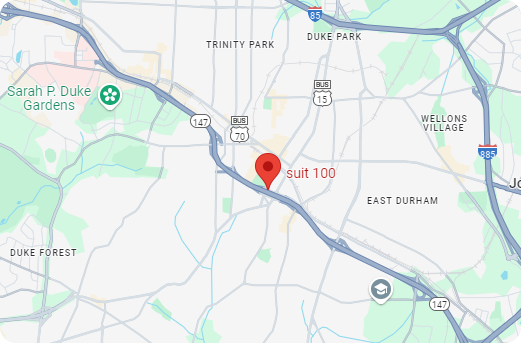
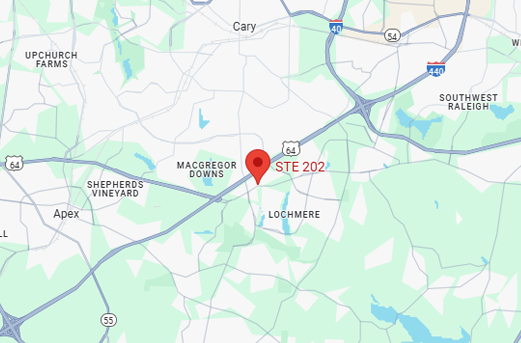
By Patrick Roberts Law – Serving Raleigh, Durham, and Chapel Hill, NC When facing felony charges in North Carolina, understanding the classification system is essential. North Carolina law categorizes felonies into ten different classes, ranging from Class A felonies (the most serious) to Class I felonies (the least severe). Each classification carries different penalties, from probation and fines to life in prison. At Patrick Roberts Law, we provide skilled criminal defense representation for clients facing felony charges in Raleigh, Durham, and Chapel Hill, NC. Whether you're dealing with a Class A violent felony or a Class I white-collar offense, we're prepared to fight for your rights and best outcome. Below you can discover felony classifications in North Carolina, examples of crimes for each, as well as additional considerations that are helpful to know if you or a loved one has been charged with a felony in Wake or Durham County. more Felony Classifications in North Carolina: Felony Class Examples of Crimes Class A (Most Severe) First-degree murder Class B1 Second-degree murder, first-degree sexual offense Class B2 Voluntary manslaughter, drug trafficking (large amounts) Class C Assault with a deadly weapon with intent to kill, armed robbery Class D First-degree arson, voluntary manslaughter Class E Assault inflicting serious bodily injury, habitual breaking and entering Class F Involuntary manslaughter, sexual offenses with minors Class G Second-degree burglary, identity theft Class H Larceny over $1,000, embezzlement, possession of stolen goods Class I (Least Severe) Forgery, possession of controlled substances with intent to distribute Additional Considerations & Eligibilities for Felony Convictions in North Carolina Felony Class Typical Sentence Range Parole Eligibility Expungement? Class A Life without parole or death penalty No parole Not eligible Class B1 25 years to life Limited eligibility Not eligible Class B2 Up to 40 years Possible parole after 15-20 years Not eligible Class C 44 to 182 months Parole possible Not eligible Class D 38 to 160 months Parole after 50% of sentence served Not eligible Class E 15 to 63 months Parole eligibility varies Not eligible Class F 10 to 41 months Parole possible Not eligible Class G 8 to 31 months Parole likely Possible after 10 years Class H 4 to 25 months Parole likely Possible after 5-10 years Class I 3 to 12 months Parole likely Possible after 5 years Factors That Affect Felony Sentencing in North Carolina Prior Criminal Record: North Carolina courts consider prior convictions when determining sentencing. The Structured Sentencing System categorizes prior convictions into different levels, which can increase or reduce penalties. Aggravating and Mitigating Factors: Judges may i ncrease or reduce sentencing based on factors such as: Use of a deadly weapon Injury to the victim Cooperation with law enforcement Lack of prior criminal history 3. Plea Deals and Reduced Charges: In many cases, an experienced criminal defense attorney can negotiate a plea deal, potentially reducing a felony charge to a misdemeanor or securing a more lenient sentence. Felony Defense in Raleigh, Durham, and Chapel Hill If you are facing felony charges in Raleigh, Durham, or Chapel Hill, it is crucial to seek legal representation immediately. A felony conviction can impact your career, housing, and personal freedoms. Patrick Roberts handles cases involving: Drug felonies Violent crimes Theft and property crimes White-collar crimes Sex offenses Homicide and manslaughter Contact a Felony Defense Lawyer in Raleigh-Durham, NC Arrested and charged with a felony in Raleigh, Durham, or Chapel Hill? Contact Patrick Roberts Law for a free case evaluation. He will review your case, explain your legal options, and develop a strong defense strategy to protect your future. Find a Patrick Roberts Law Office Nearest You We have a criminal defense law office near you. Click below to get directions. Raleigh, NC - Directions Cary, NC - Directions Durham, NC - Directions Chapel Hill, NC - Directions

25

What to do when an officer comes knocking at your door?

An Officer at Your Door: A Guide to Your Rights and How to Respond Calmly An unexpected knock on the door from a police officer can be unnerving. Before you answer, it’s important to understand your rights, contact criminal defense lawyer and how to respond calmly in this situation. This blog post will equip you with the knowledge and steps to navigate this scenario while protecting your legal rights. Why Might an Officer Come to Your Door? There are various reasons why an officer might visit your residence. Here are some common possibilities: Investigating a Crime: The officer might be investigating a crime that occurred in your neighborhood and may be looking for witnesses or suspects. Serving a Warrant: The officer might have a warrant to arrest someone residing in your home or to search the premises. Conducting a Welfare Check: The officer might be responding to a request to check on the well-being of someone inside your home. Your Rights During a Police Encounter at Your Door Knowing your rights is crucial during an interaction with law enforcement. Here’s a breakdown of key points to remember: You Do Not Have to Open the Door: In most cases, you are not legally obligated to open the door for a police officer unless they have a warrant. Right to Remain Silent: You have the right to remain silent and do not have to answer any questions the officer asks. Right to an Attorney: If you are arrested, you have the right to request a criminal defense attorney immediately. Responding to the Officer: Here’s how to handle the situation if an officer arrives at your door: Stay Calm: Take a deep breath and avoid opening the door immediately. Identify Yourself: Speak through the door and identify yourself. Ask Why They Are There: Politely inquire why the officer is at your door. Do Not Consent to Searches: Unless you fully understand the situation and your rights, politely decline any requests to search your home or belongings. Request a Warrant: If the officer mentions a warrant, politely ask to see it. Do not attempt to grab the warrant or block the officer from leaving it under the door. Right to Remain Silent: If you are questioned, politely state that you are exercising your right to remain silent and would like to speak with an attorney before answering any questions. Record the Interaction (with Caution): In some states, you may be legally allowed to record the interaction with your phone. However, be aware of your state’s laws regarding recording conversations. When to Open the Door: There are limited situations where opening the door might be advisable: You Know the Officer: If you know the officer and feel comfortable, you can open the door and have a conversation. Emergency Situation: If the officer expresses concern about an emergency situation inside your home, you might choose to open the door. If You Are Arrested: If you are arrested, immediately request to speak with an attorney. Do not resist arrest or answer any questions until you have spoken to your lawyer. Contacting a Criminal Defense Lawyer: If you are unsure about your rights or have been questioned by the police, it’s essential to contact a criminal defense lawyer in Raleigh as soon as possible. A lawyer can advise you of your rights, review the details of your situation, and represent you in court if necessary. Remember: Knowing your rights and staying calm are critical during police interactions at your door. You are not obligated to open the door or answer questions unless you feel comfortable doing so. If you are unsure about your rights or have been questioned by the police, contact a criminal defense lawyer

24

Detainment vs. Arrest: Understanding Your Rights During Police Interactions (USA)

Police interactions can be stressful and confusing. Knowing the difference between a detainment and an arrest can be crucial for protecting your rights. If you’ve been detained or arrested, it’s essential to contact a criminal defense lawyer as soon as possible to understand between detainment Vs. arrest.. A lawyer can advise you of your rights, represent you in court, and help you navigate the legal complexities of your situation. This blog post will delve into the key distinctions between detentions and arrests in the USA, empowering you to understand these encounters and your rights during them. Understanding Detentions A detention, also known as an “investigatory stop,” is a brief and temporary restriction of your freedom by law enforcement. It allows officers to investigate a potential crime or gather information about a suspicious person or activity. Here are some key aspects of detentions: Reason for Detention: Law enforcement must have reasonable suspicion to detain you. This means they must have a specific and articulable reason to believe you are involved in criminal activity. Hunch or mere suspicion is not enough. Duration: Detentions are intended to be brief, typically lasting only for the time it takes to complete the investigation. This could be a few minutes or up to 20-30 minutes in some cases, depending on the complexity of the situation. Your Rights During Detention: You have the right to remain silent and the right to an attorney. However, you are generally not free to leave during a detention. It’s important to be polite and cooperative, but you don’t have to answer any questions that might incriminate yourself. Examples of Detentions: Being stopped for a minor traffic violation (e.g., a broken taillight) Being questioned about a suspicious person or activity in the neighborhood Being patted down for weapons if the officer has reasonable suspicion you might be armed and dangerous Understanding Arrests An arrest is a more formal and significant event than a detention. It signifies that the officer has probable cause to believe you have committed a crime and intends to take you into custody. Probable Cause: Probable cause is a higher standard than reasonable suspicion. It requires the officer to have facts and circumstances that would lead a reasonable person to believe you committed a crime. Duration: An arrest can last for several hours, depending on the booking process and potential bail proceedings. Your Rights During Arrest: You have the same rights you do during a detention (right to remain silent and right to an attorney) but they are even more crucial. You should immediately state that you are not answering questions and request an attorney. Examples of Arrests: Being caught in the act of committing a crime Having a warrant out for your arrest Witness testimony placing you at the scene of a crime Important Considerations: Do Not Resist: If you are being detained or arrested, do not resist. Resisting arrest is a separate crime and could escalate the situation. Know Your Rights: While remaining silent is recommended, it’s important to understand your rights in these situations. What to Do if You’re Detained or Arrested: Stay Calm: Take a deep breath and try to stay calm. Be Polite and Cooperative: Maintain a respectful demeanor with the officer. However, don’t consent to searches unless you are absolutely comfortable doing so. Know Your Rights: Politely but firmly state that you are not answering questions and request an attorney. Do Not Resist: Resisting arrest is a crime and could worsen the situation. Contact a Criminal Defense Lawyer: If you are detained or arrested, even if you believe you are innocent, it’s always best to contact a criminal defense lawyer as soon as possible. An attorney can advise you of your rights, represent you in court, and help you navigate the legal process. A skilled lawyer can analyze the details of your situation, explore potential defenses, and work towards the best possible outcome. Remember: Understanding the difference between detentions and arrests is crucial for protecting your rights during police interactions. Knowing your rights and staying calm can help ensure a smoother interaction. While remaining silent and seeking legal representation are important, it’s always best to cooperate with law enforcement within the bounds of your rights. Disclaimer: This blog post is for informational purposes only and does not constitute legal advice. The laws and procedures surrounding detentions and arrests can vary by state. It is always best to consult with a qualified criminal defense lawyer in your area for specific advice regarding your situation.

Contact Us

Fill out this form below and we'll contact you shortly
*Required Fields