Blog / Criminal Defense

Blog

All Criminal Defense Criminal Defense Lawyer Sex Defense Felony Charges Lawyer Drug Charges Sex Defense Lawyer Murder Charges Rape Case Statutory Rape Charges Drug Crimes & Violations Drug Trafficking Violent Crime Domestic Violence Child Exploitation Charges Indecent Liberties North Carolina Criminal Law Sexual Assault North Carolina Law Fentanyl Crimes indecent liberties with a minor Sex Crimes Sex Crimes Defense Sex Offender Registry Sexual exploitantion of minors Meth Trafficking Age of Consent Aggravated Sexual Assault Artificial Intelligence Child Enticement Charges child grooming Child Rape Constitutional Rights & Warrants Criminal Defense & Travel Law Criminal Justice Criminal Law Cybercrime Defense Data Privacy Digital Evidence Entrapment defense False Accusations Family Law Federal Offenses Indecent Exposure Legal Defense Strategies Legal Resources Legal Updates Possession with intent to sell Sex Crimes & Registry Sex Crimes Defense Strategies Sex Offender Registration Requirements Sex Offender Registry Compliance Sex Offense Defense Sexting Laws solicitation of a child by computer Solicitation of a Minor Charge State vs. Federal Laws Statute of Limitations Statutory Sex Offense
Silhouette in tunnel with bold text: “What misdemeanors disqualify you from owning a gun in NC” on bold blue overlay.

What Misdemeanors Disqualify

If you're facing misdemeanor charges in North Carolina, you need to know how these charges might affect your gun rights. While most people know felonies can take away your right to own guns, certain misdemeanors can also make it illegal for you to own or possess firearms under both federal and North Carolina laws. more What Federal Laws Block Gun Ownership After Misdemeanors? Federal law (18 U.S.C. § 922(g)) lists several types of people who cannot ship, transport, receive, or possess firearms or ammunition that have crossed state lines. While many of these rules target felons, some misdemeanors can also cost you your gun rights. Domestic Violence Misdemeanors The biggest federal gun ban for misdemeanors comes from 18 U.S.C. § 922(g)(9), which clearly states that anyone "convicted of a misdemeanor crime of domestic violence" cannot own guns. This rule, often called the "Lautenberg Amendment," was created to close a gap in gun laws. Under federal law, a domestic violence misdemeanor means an offense that: Involved using or trying to use physical force, or threatening to use a deadly weapon Was committed against a current or former spouse, parent, or guardian Was committed against someone you have a child with Was committed against someone you live with or used to live with as a couple Was committed against someone in a similar relationship This covers many common charges when they happen in a domestic setting, such as: Simple assault against a spouse or partner Domestic battery Domestic violence Threatening a family member with a weapon It's important to know that the charge doesn't have to include the words "domestic violence" in its name. What matters is your relationship to the victim, not what the offense is called. Is the Federal Ban Permanent? Unlike some state restrictions that expire after a certain time, the federal ban under 18 U.S.C. § 922(g)(9) lasts forever unless: Your conviction is expunged or set aside You receive a pardon Your civil rights are restored (if you lost them due to the conviction) What Other Federal Restrictions Might Apply? Other federal rules that might apply to misdemeanors include: People under certain domestic violence restraining orders (18 U.S.C. § 922(g)(8)) People who use illegal drugs or are addicted to them (18 U.S.C. § 922(g)(3)), which might include some drug misdemeanors How Do North Carolina Laws Restrict Gun Rights After Misdemeanors? North Carolina has its own rules about guns, especially for concealed carry permits. Under North Carolina General Statutes (N.C.G.S.) § 14-415.12, the sheriff must deny a concealed carry permit to people with certain misdemeanor convictions. Which Violent Misdemeanors Create a Three-Year Ban? Under N.C.G.S. § 14-415.12(b)(8), you can't get a concealed carry permit if, within the last three years, you were: Found guilty of, or Received a prayer for judgment continued or suspended sentence for one or more "violent crimes" that are misdemeanors, including: Assault charges (except simple assault under G.S. § 14-33(a)) Making threats (G.S. § 14-277.1) Stalking (former G.S. § 14-277.3) Taking weapons to schools (G.S. § 14-269.2) Carrying weapons at parades (G.S. § 14-277.2) Carrying hidden weapons (G.S. § 14-269.3) Taking weapons into places serving alcohol (G.S. § 14-269.3) Bringing weapons into government buildings or courts (G.S. § 14-269.4) Having guns at parades (G.S. § 14-269.6) Disorderly conduct (G.S. § 14-288.4(a)(1)) Riot-related charges (G.S. § 14-288.2, 14-288.6, 14-288.9) Breaking emergency rules (former G.S. § 14-288.12-14) Breaking concealed carry permit rules (G.S. § 14-415.21(b)) Carrying weapons in restricted areas with a permit (G.S. § 14-415.26(d)) What Misdemeanors Create a Permanent Ban in North Carolina? North Carolina law permanently blocks people from getting concealed carry permits if they have certain misdemeanor convictions, no matter when they happened. Domestic Violence and Related Charges Under N.C.G.S. § 14-415.12(b)(8a), you can never get a permit if you were convicted of or received a prayer for judgment continued for: Assault with a deadly weapon (G.S. § 14-32.5) Assault on a female (G.S. § 14-33(c)(2)) Assault on a child under 12 (G.S. § 14-33(c)(3)) Assault causing serious injury (G.S. § 14-33(c)(1)) Assault on a person with a disability (G.S. § 14-33(d)) Stalking (G.S. § 14-277.3A) Child abuse (G.S. § 14-318.2) Trespassing after domestic violence (G.S. § 14-134.3) Breaking a protective order while having a deadly weapon (G.S. § 50B-4.1) Federal Domestic Violence Ban North Carolina directly includes the federal ban in N.C.G.S. § 14-415.12(b)(8b), saying a permit will be denied to anyone who "cannot possess a firearm under 18 U.S.C. § 922(g) because of a domestic violence misdemeanor." How Do Assaults on Officials Impact Gun Rights? Under N.C.G.S. § 14-415.12(b)(8c), you can never get a permit if you were convicted of or received a prayer for judgment continued for crimes involving: Assault or threats against police officers Assault on probation or parole officers Assault on jail or prison staff Assault on firefighters Assault on EMTs Assault on medical responders Assault on emergency room staff What About DWI Convictions–How Do They Impact Gun Rights? North Carolina specifically addresses drunk driving in N.C.G.S. § 14-415.12(b)(11). If you were convicted of drunk driving under: G.S. § 20-138.1 (Regular DWI) G.S. § 20-138.2 (Commercial vehicle DWI) G.S. § 20-138.3 (Underage drinking and driving) within the last three years, you cannot get a concealed carry permit. What Other North Carolina Restrictions Should You Know About? North Carolina has more rules that might affect your gun rights: Prayer for Judgment Continued: Under N.C.G.S. § 14-415.12(b)(9), if you received a prayer for judgment continued for any offense that would block you from getting a permit, you can't get one. Pending Charges: Under N.C.G.S. § 14-415.12(b)(10), if you're out on bail or awaiting trial, appeal, or sentencing for a crime that would stop you from getting a permit, you can't get one. What's the Difference Between Buying vs. Owning Guns? When dealing with gun restrictions, it helps to understand two different concepts: Buying restrictions: Laws that stop you from purchasing new guns Possession bans: Laws that make it illegal to own, possess, or control any guns, even ones you bought before your conviction Federal bans under 18 U.S.C. § 922(g) generally restrict both buying and owning. They make it illegal to "ship or transport across state lines, or possess in or affecting commerce, any firearm or ammunition" or to "receive any firearm or ammunition that has been shipped or transported across state lines." North Carolina's rules about concealed carry permits (N.C.G.S. § 14-415.12) specifically affect your ability to get a permit to carry a hidden handgun, but other North Carolina laws may separately ban possession. How Can You Get Your Gun Rights Back After a Misdemeanor? If you've lost your gun rights because of a misdemeanor conviction, you might have options: For Federal Bans: Expungement: If your conviction is erased under state law, the federal ban might no longer apply Pardon: A pardon that specifically gives back gun rights might remove the federal ban Civil Rights Restoration: In some places, there's a process to restore your civil rights, which might lift the federal ban For North Carolina Bans: Waiting: For certain misdemeanors with three-year bans, simply waiting until that time is up might restore your eligibility Expungement: North Carolina has processes to expunge certain misdemeanors under various laws Rights Restoration: Under N.C.G.S. § 14-415.4, there are ways to get your gun rights back in certain cases Practical Advice for North Carolina Residents If you're facing misdemeanor charges in North Carolina and worry about your gun rights: Get a good lawyer right away: An experienced North Carolina criminal defense attorney can look at your specific situation and help protect your Second Amendment rights Think about all consequences before pleading: Many people accept plea deals without understanding how they'll affect their constitutional rights Look for alternative outcomes: In some cases, your lawyer might negotiate for solutions that don't affect your gun rights Keep paperwork if your rights are restored: If you get your rights back through any legal process, keep all documentation Conclusion North Carolina residents face a complex mix of federal and state restrictions that can affect gun rights after misdemeanor convictions. The most severe restrictions apply to domestic violence offenses under both federal law (18 U.S.C. § 922(g)(9)) and North Carolina law (N.C.G.S. § 14-415.12(b)(8a) and (8b)), which can permanently revoke your right to own firearms unless your conviction is expunged, set aside, or pardoned. At Patrick Roberts Law Firm, we understand how high the stakes are. Patrick and his team have deep experience helping clients navigate these overlapping laws—whether you're currently facing charges or dealing with the long-term consequences of a past conviction. Don’t wait to understand your rights or pursue relief. Contact Patrick Roberts Law Firm today to protect your future and preserve your Second Amendment rights.

Bronze Lady Justice statue beside bold text “What Is Misdemeanor Larceny in NC?” on a blue background.

What Is Misdemeanor Larceny in North Carolina?

Misdemeanor larceny is a type of theft crime in North Carolina that's less serious than felony larceny. Both involve taking someone else's property, but it's important to know the difference if you're facing theft charges in North Carolina. more What Is Misdemeanor Larceny in North Carolina? According to North Carolina law (General Statute § 14-72), misdemeanor larceny happens when: Someone takes and carries away Another person's property Without the owner's permission With the plan to keep it permanently And the property is worth $1,000 or less The law clearly states: "Except as provided in subsections (b) and (c) of this section, larceny of property, or the receiving or possession of stolen goods knowing or having reasonable grounds to believe them to be stolen, where the value of the property or goods is not more than one thousand dollars ($1,000), is a Class 1 misdemeanor." How Does the $1,000 Line Determine Misdemeanor vs. Felony? The main difference between misdemeanor larceny and felony larceny in North Carolina is how much the stolen property is worth. Under § 14-72(a), if the property value is $1,000 or less, it's a Class 1 misdemeanor. If it's worth more than $1,000, it becomes a Class H felony. Possible Defense: Questioning the value of the property is a common strategy. If you can show the property was actually worth less than $1,000, a felony charge might be reduced to a misdemeanor. When Can Stealing $1,000 or Less Still Be a Felony? Even if what you took is worth $1,000 or less, certain situations will automatically make it a felony in North Carolina. According to § 14-72(b), these include when the theft is: From someone's person (like pickpocketing) (§ 14-72(b)(1)) Done during a break-in (§ 14-72(b)(2), referencing §§ 14-51, 14-53, 14-54, 14-54.1, or 14-57) Of explosives or fire-starting devices (§ 14-72(b)(3)) Of guns (§ 14-72(b)(4)) Of documents from the NC State Archives (§ 14-72(b)(5)) Committed by someone who has been convicted of theft four or more times before (§ 14-72(b)(6)) Possible Defense: If you're charged with felony larceny because of past convictions, your lawyer might challenge whether those prior cases really count or if there's proper proof of them. How Is Shoplifting Treated (a Related Crime) Treated? North Carolina law also covers shoplifting under § 14-72.1 as "concealment of merchandise." This makes it a misdemeanor to hide store merchandise without paying for it. Just the act of hiding the item can be seen as proof you intended to steal it. Possible Defense: Showing you didn't mean to steal, like if you got distracted and forgot about the item, or proving you didn't have a chance to pay before security approached you. What Happens If You're Convicted of Misdemeanor Larceny? As a Class 1 misdemeanor in North Carolina, misdemeanor larceny can lead to: Jail time, as specified in § 15A-1340.23 Probation Fines (amount decided by the judge) Possibly having to pay back the victim For first-time offenders, courts often choose probation instead of jail time, especially if you pay back what was taken. Possible Defense: Even with strong evidence against you, a lawyer might be able to negotiate a deal where charges are dismissed after you complete community service and pay restitution. How Do Shoplifting Penalties Increase with Multiple Offenses? For shoplifting specifically, North Carolina has created a system of increasing punishments under § 14-72.1(e): First offense: Class 3 misdemeanor with potential for community service Second offense within a few years of the first: Class 2 misdemeanor with potential jail time or community service Third or later offense within a few years of the first: Class 1 misdemeanor with potential jail time Possible Defense: For repeat shoplifting charges, if you can prove you have mental or physical health problems that prevent you from doing community service, the court might allow a different punishment. What Are Common Ways to Defend Against Misdemeanor Larceny Charges? You Didn't Mean To Steal One of the most common defenses is showing you didn't intend to steal. If you thought the property was yours, believed you had permission to take it, or planned to return it, this could fight against the "intent to permanently deprive" part of larceny. Wrong Person Especially in shoplifting cases where security camera footage might be unclear, proving you were mistakenly identified can be an effective defense. You Had Permission If you can show the owner gave you permission to take the property (even if there was a misunderstanding about the details), this contradicts a key part of what makes something larceny. You Thought You Had a Right to the Property If you honestly believed you had a legal right to the property, even if that belief was wrong, this can serve as a defense to larceny charges. What Are the Long-Term Problems from a Misdemeanor Larceny Conviction? Beyond the immediate penalties, having a misdemeanor larceny conviction in North Carolina can affect your life in lasting ways: Creating a criminal record Making it harder to get jobs, especially ones where you handle money or merchandise Possible discrimination when trying to rent housing Impact on professional licenses or certifications Being considered if you face new charges in the future Why Should You Talk to a North Carolina Criminal Defense Lawyer? If you're facing misdemeanor larceny charges in North Carolina, it's important to speak with an experienced criminal defense lawyer. They can help you understand: The exact charges against you Possible defenses based on your specific situation Whether prosecutors might agree to reduce the charges Options for avoiding a permanent criminal record, such as special programs How to protect your rights throughout the court process A good lawyer can make a big difference in how your case turns out, potentially helping you avoid conviction altogether or reducing the consequences you face. Remember, each case is different, and the specific facts of your situation will determine the best approach to your defense. Don't delay in seeking legal help if you're facing theft charges in North Carolina. A misdemeanor larceny charge may seem minor, but a conviction can still leave a lasting mark on your record. If you or someone close to you has been accused, having a knowledgeable defense attorney can make all the difference. Patrick Roberts has helped clients avoid convictions* and move forward with confidence. Schedule a confidential consultation today to discuss your options. *While Attorney Roberts works hard to secure results for his clients, every case is unique and must be evaluated on its individual facts. Past results do not guarantee future success. Each client’s case requires a unique strategy based on the facts of that case.

Man loads bullets beside a rifle; text asks "What is possession of firearm by felon in NC?" with the “FELONY” label.

What Is Possession of Firearm by Felon in NC?

If you or someone you know has been charged with having a gun as a felon in North Carolina, you're facing serious legal trouble. As Patrick Roberts Law, we've helped many clients deal with these gun laws and protect their rights. This guide explains what you need to know about possession of firearm by felon in North Carolina, the possible punishments, and how you might defend against these charges. more What Is the North Carolina Felony Firearms Act? North Carolina's laws about felons and guns are found in Article 54A, called the Felony Firearms Act. The main part of this law is G.S. 14-415.1, which makes it illegal for people with felony convictions to have guns or weapons of mass destruction. What Does the Law Say About Felons With Guns in NC? Under North Carolina law G.S. 14-415.1(a), if you have a felony conviction, you cannot: Buy Own Possess Have in your care or control Any gun or weapon of mass destruction as defined in G.S. 14-288.8(c). The law defines a gun as: Any weapon (including a starter gun) that shoots or can be changed to shoot a bullet using an explosive The frame or receiver of such a weapon Any gun silencer or muffler It's worth noting that antique firearms, as defined in G.S. 14-409.11, are not included in this ban. What Are the Penalties for Possession of Firearm by Felon? Breaking North Carolina's laws against felons having guns comes with harsh penalties. Anyone who violates G.S. 14-415.1 will be punished as a Class G felon. In North Carolina, a Class G felony can mean: Potentially years in prison, depending on your criminal history Permanent loss of certain rights More limits on jobs, housing, and other opportunities Possible federal charges with even tougher penalties Which Prior Convictions Mean You Can't Have a Gun? Not all prior convictions will stop you from having a gun in North Carolina. According to G.S. 14-415.1(b), only these prior convictions count: Felony convictions in North Carolina, no matter when they happened Criminal convictions from other states or the federal government that are similar to North Carolina felonies and can be punished by more than one year in prison When you face charges under this law, records of prior convictions—from North Carolina courts, other states, or federal courts—can be used as evidence against you. What Counts as a "Conviction" Under This Law? For the Felony Firearms Act, a "conviction" means: A final judgment in any case where you could get felony punishment or more than one year in prison This applies no matter what plea you entered or what sentence you actually got An official record of a conviction or guilty plea from any state or federal court serves as strong evidence How Are Felon with Firearm Cases Handled in Court? The North Carolina Felony Firearms Act has specific rules for how these cases must be prosecuted: The charge for having a gun as a felon must be separate from charges for any related crimes. The charging document must include specific details about your prior offense: When the prior offense happened What type of offense it was and its punishment When you were convicted or pled guilty Which court handled your case What verdict and judgment were given What Are the Exceptions to North Carolina's Ban on Felons Having Guns? There are a few situations where a person with a felony conviction might still be allowed to have a gun in North Carolina: Pardons and Restored Rights Under G.S. 14-415.1(d), the ban doesn't apply if you have: Been pardoned under the laws where you were convicted Had your gun rights restored under those laws, but only if North Carolina law would also allow such restoration Certain Business-Related Felonies According to G.S. 14-415.1(e), you aren't banned from having guns if your felony conviction was for: Antitrust violations Unfair trade practices Restraints of trade To know if these exceptions apply to your case, you need help from an experienced North Carolina defense lawyer. How Can You Defend Against Felon with Firearm Charges? If you're facing charges for having a gun as a felon in North Carolina, several possible defenses might help your case: Constitutional Challenges Fourth Amendment violations about how the gun was found Second Amendment challenges (though these are hard to win) Defenses Based on the Law Proving the gun qualifies as an antique Showing that your felony was a business-related one that's exempt Proving your gun rights were legally restored Factual Defenses Challenging whether you actually possessed or controlled the gun Arguing the gun didn't work Questioning whether your prior conviction should count Procedural Defenses Improper charging documents missing required information Time limit issues Challenges about which court has the right to hear your case Why Do You Need a Skilled North Carolina Gun Defense Lawyer? Felon with firearm charges in North Carolina can seriously impact the rest of your life. The laws about felons and guns are complicated, involving both state and federal laws, constitutional issues, and complex court procedures. An experienced North Carolina defense lawyer who knows gun cases can: Look at the specific facts of your case Find potential legal defenses Challenge evidence that shouldn't be used against you Talk with prosecutors about reducing your charges when possible Fight for you in court if needed Contact Our North Carolina Gun Defense Team Today If you’ve been charged with possession of a firearm by a felon in North Carolina, Patrick Roberts Law Firm is ready to help. Patrick and his team have deep experience navigating North Carolina’s firearm laws and have successfully* defended clients facing similar charges. We offer confidential consultations to review your case, explain your legal options, and build a strong, personalized defense strategy. Don’t face these charges alone—contact Patrick Roberts Law Firm today to start protecting your rights and your future. *DISCLAIMER: Each case is different and must be evaluated on its individual facts. Attorney Roberts works hard to assess each case individually. Prior results do not guarantee any future outcome.

City skyline with sunset and traffic trails behind bold text “Misdemeanor Death by Vehicle in NC” on a blue overlay

Misdemeanor Death by Vehicle in North Carolina

What Is Misdemeanor Death by Vehicle in North Carolina? In North Carolina, misdemeanor death by vehicle happens when: Someone accidentally causes another person's death They were breaking a traffic law (not including drunk driving) Breaking this traffic law directly caused the death According to North Carolina law (G.S. § 20-141.4(a2)), this might involve running a red light, speeding, or other traffic violations that lead to a fatal accident. This is different from felony death by vehicle, which involves driving while impaired under G.S. § 20-138.1 or G.S. § 20-138.2. more How Serious Is This Charge? Misdemeanor death by vehicle is a Class A1 misdemeanor in North Carolina - the most serious type of misdemeanor as defined in G.S. § 20-141.4(b)(5). Even though it's not a felony, the consequences can still dramatically change your life. Think of it this way: a misdemeanor is serious, but a felony would be much worse. The main difference is that the misdemeanor charge happens when the accident was caused by a regular traffic violation, while the felony version involves alcohol or drugs as specified in G.S. § 20-141.4(a1). What Penalties Could You Face? If you're convicted of misdemeanor death by vehicle in North Carolina, the punishment depends partly on your prior record according to G.S. § 15A-1340.23(c): No prior convictions: potential jail time 1-4 prior convictions: longer potential jail time 5 or more prior convictions: even longer potential jail time The judge can also order different types of punishment as outlined in G.S. § 15A-1340.11: "Community" punishment (like probation) "Intermediate" punishment (stricter supervision) "Active" punishment (actual jail time) There's no limit on how much the court can fine you for this offense under G.S. § 15A-1340.23(b). This means the judge can set any fine amount they think is appropriate for a Class A1 misdemeanor. How Does This Charge Differ From More Serious Charges? What Is the Difference Between Misdemeanor and Felony Charges? The main difference is what caused the accident: Misdemeanor death by vehicle: Caused by a regular traffic violation like speeding, running a stop sign, or improper lane change (G.S. § 20-141.4(a2)) Felony death by vehicle: Caused by driving while impaired by alcohol or drugs (G.S. § 20-141.4(a1)) This difference is very important because felony charges come with much harsher penalties. A felony death by vehicle in North Carolina is a Class D felony under G.S. § 20-141.4(b)(2), which can mean years in prison instead of months in jail. What Are More Serious Versions of Vehicular Death Charges? North Carolina law also includes more severe charges for certain situations: Aggravated felony death by vehicle: This applies when someone causes a death while driving impaired AND they had a previous impaired driving conviction within the last 7 years (G.S. § 20-141.4(a5)) Repeat felony death by vehicle: This happens when someone commits another felony death by vehicle after already being convicted of a similar offense (G.S. § 20-141.4(a6)) What Common Defenses Might Help Your Case? How Can You Challenge Whether You Actually Broke a Traffic Law? Since the charge requires proving you broke a traffic law under G.S. § 20-141.4(a2)(2), your lawyer might challenge: Whether you actually committed the violation you're accused of If police followed proper procedures (like properly calibrating radar guns for speeding tickets) Whether unusual road conditions, weather, or other factors beyond your control played a role How Can You Question Whether Your Actions Caused the Death? A key part of this charge is proving that your traffic violation directly caused the death as required by G.S. § 20-141.4(a2)(3). Possible defenses include: Something else caused the death that had nothing to do with your driving The other person's actions contributed significantly to what happened A vehicle malfunction or defect caused the accident, not your driving Let's look at an example: If you were going 10 mph over the speed limit but the other driver ran a red light and crashed into you, your lawyer could argue that their action, not your speeding, was the real cause of the accident. What About How Evidence Was Collected? Your attorney might also investigate: Whether the accident investigation was done correctly If witness statements match each other and seem reliable If police respected your rights during the investigation under G.S. § 15A-974 For instance, if the police report contains major contradictions or if evidence was improperly collected, this might help your defense. How Does the Law Protect Against Double Charges? North Carolina law includes specific protection against being charged twice for the same incident. This means: If you've been charged with death by vehicle, you can't also be charged with manslaughter for the same death If you've been charged with manslaughter, you can't also be charged with death by vehicle for the same incident This protection is outlined in G.S. § 20-141.4(c) and is an important legal safeguard that aligns with constitutional protections against double jeopardy. What Are the Hidden Consequences of a Conviction? Beyond potential jail time, a misdemeanor death by vehicle conviction can affect your life in many other ways: Driving record impact: Your license could be suspended under provisions in G.S. § 20-17 or you might face higher insurance rates Job problems: Many employers conduct background checks, and a conviction involving a death could make finding work difficult Personal reputation: In smaller communities especially, being involved in a fatal accident can affect how people see you Emotional burden: Carrying the knowledge that your actions contributed to someone's death can cause lasting psychological effects Financial strain: Between legal fees, fines, and potential civil lawsuits under G.S. § 1-539.21, the financial burden can be overwhelming Why Does Having a Good Lawyer Make a Difference? These cases are complex and emotionally charged. A skilled North Carolina defense attorney can: Carefully review all evidence against you as permitted under G.S. § 15A-903 Identify weaknesses in the prosecution's case Negotiate with prosecutors for reduced charges when possible under G.S. § 15A-1021 Prepare a strong defense strategy if your case goes to trial Help minimize the long-term impact on your life Many people make the mistake of thinking they can handle these charges on their own or with minimal legal help. This can lead to much worse outcomes than necessary. What Should You Expect During the Legal Process? If you're charged with misdemeanor death by vehicle, here's what typically happens: Arrest and charging: You'll be formally charged with the offense First appearance: An initial court appearance where the charges are explained (G.S. § 15A-601) Pre-trial motions: Your attorney may file motions to challenge evidence or procedures (G.S. § 15A-951) Plea negotiations: Many cases are resolved through agreements with prosecutors (G.S. § 15A-1021) Trial: If no agreement is reached, your case will go to trial (G.S. § 15A-1201) Sentencing: If convicted, the judge will determine your punishment (G.S. § 15A-1340.23) The entire process can take months or even longer, depending on the complexity of your case and how busy the courts are. How Can You Get Help During This Difficult Time? Being charged with misdemeanor death by vehicle means you're facing both legal trouble and the emotional weight of being involved in someone's death. Many people experience depression, anxiety, and post-traumatic stress in these situations. While focusing on your legal defense is important, don't neglect your mental health. Consider: Talking to a counselor or therapist Leaning on supportive friends and family Joining a support group for people involved in accidents Conclusion Misdemeanor death by vehicle cases in North Carolina involve tragic circumstances that affect everyone involved - both the victim's family and the person charged. While less severe than felony charges, these cases still carry significant legal and personal consequences that can change the course of your life. Understanding what you're facing, the potential penalties, and possible defense strategies is essential to protecting your future. If you're facing this charge in North Carolina, talking to an experienced criminal defense attorney as soon as possible can make a significant difference in how your case turns out. Remember that one traffic mistake doesn't define your entire life, even when the consequences are severe. With proper legal help, you can work toward the best possible outcome in a difficult situation. Being charged with misdemeanor death by vehicle is a devastating and complex situation. If you or a loved one is facing this charge, you need a defense attorney who understands both the legal system and the human side of what you're going through. Attorney Patrick Roberts brings experience, compassion, and determination to every case. Contact our firm today for a private consultation.

Man in hoodie shushing, next to bold text “Larceny vs. Theft vs. Burglary” on a dark blue panel.

Larceny vs. Theft vs. Burglary

Larceny vs. Theft: What's the Difference in North Carolina? If you've been charged with a property crime in North Carolina, you might be confused about the terms "larceny" and "theft." Here's what you need to know: Larceny is the official legal term North Carolina uses in its laws for taking someone else's property without permission. According to North Carolina law, larceny is typically a Class H felony unless stated otherwise (N.C.G.S. § 14-70). Theft is the everyday term most people use, but you won't find it specifically defined in North Carolina law books. Instead, the courts and legal documents use "larceny" for what most people call "theft." In simple terms: larceny is North Carolina's legal word for theft. more What Are the Key Elements of Larceny in North Carolina? For someone to be found guilty of larceny in North Carolina, prosecutors must prove: You took property belonging to someone else You moved the property (even just a little bit) You didn't have the owner's permission You planned to keep the property permanently You knew the property wasn't yours to take Ways people commonly defend against larceny charges: Showing they thought they had permission to take the item Proving they planned to return the property Demonstrating they truly believed the property belonged to them Arguing about the value of the property (especially important if facing felony charges) What Are the Types of Larceny in North Carolina? North Carolina law divides larceny into different categories: Felony Larceny: Taking property worth more than $1,000 (N.C.G.S. § 14-72(a)) Misdemeanor Larceny: Taking property worth $1,000 or less (N.C.G.S. § 14-72(a)) However, some types of larceny are always felonies no matter the value (N.C.G.S. § 14-72(b)): Stealing directly from a person (N.C.G.S. § 14-72(b)(1)) Stealing during a break-in (N.C.G.S. § 14-72(b)(2)) Stealing explosives or guns (N.C.G.S. § 14-72(b)(3)-(4)) Stealing records from the North Carolina State Archives (N.C.G.S. § 14-72(b)(5)) Getting caught stealing after four prior larceny convictions (N.C.G.S. § 14-72(b)(6)) How Do Larceny and Burglary Differ? Larceny and burglary are separate crimes that are often confused. Here's how they differ: What Is Burglary in North Carolina? In North Carolina, burglary means breaking and entering into someone's home or sleeping area with plans to commit a crime (often theft) inside (N.C.G.S. § 14-51). North Carolina has two types of burglary: First-degree burglary: Breaking into a home at night while people are inside (Class D felony) (N.C.G.S. § 14-52) Second-degree burglary: Breaking into a home at night when no one is there (Class G felony) (N.C.G.S. § 14-52) What Are the Main Differences Between Larceny and Burglary? Larceny focuses on taking property (N.C.G.S. § 14-72): The main action is taking and carrying away someone else's property Can happen anywhere The crime is complete once you take the property You must intend to keep the property permanently Burglary focuses on illegal entry (N.C.G.S. § 14-51): The main action is breaking into and entering a building Must involve entering a home or other building The crime is complete as soon as you enter, even if you don't steal anything You must have planned to commit a crime inside What Related Crimes Exist in North Carolina? North Carolina law also defines several similar crimes: Breaking or entering: Going into any building with plans to commit a crime (Class H felony) or wrongfully entering any building (Class 1 misdemeanor) (N.C.G.S. § 14-54) Receiving stolen goods: Knowingly accepting property you know was stolen (Class H felony) (N.C.G.S. § 14-71) Possessing stolen goods: Having stolen property in your possession while knowing it was stolen (Class H felony) (N.C.G.S. § 14-71.1) What Are Common Defenses for Larceny and Burglary Charges? Defenses People Use Against Larceny Charges "I thought it was mine": Honestly believing you had a right to the property "I was going to give it back": Not intending to keep the property forever "I had permission": Having the owner's consent to take the property "It wasn't me": Being wrongly identified as the person who committed the theft "It's not worth that much": Challenging how much the property is worth (which could reduce a felony to a misdemeanor under N.C.G.S. § 14-72(a)) Defenses People Use Against Burglary Charges "I didn't break in": Showing you entered through an already open door or window "I didn't plan to commit a crime": Proving you had no intention of committing a crime inside "I was allowed to be there": Having permission to enter the building "It wasn't me": Being wrongly identified as the person who broke in "I was somewhere else": Having proof you were in a different location when the crime happened What Are the Special Types of Larceny in North Carolina? North Carolina law also identifies specific types of larceny that carry their own penalties: How Is Shoplifting (Concealment of Merchandise) Treated Under North Carolina Law? Under N.C.G.S. § 14-72.1, concealing merchandise in a store before paying for it is a type of larceny. The law considers hiding merchandise on your person as evidence of intentional shoplifting. Penalties increase with repeat offenses (N.C.G.S. § 14-72.1(e)). What Are the Rules for Larceny of Motor Vehicle Parts? Stealing car parts becomes a Class I felony if the repair costs exceed $1,000 or if the stolen part is a catalytic converter (N.C.G.S. § 14-72.8). What Constitutes Larceny from a Merchant? Under N.C.G.S. § 14-72.11, stealing from a store becomes a Class H felony in several situations, including: Taking items worth over $200 and using emergency exits to leave (N.C.G.S. § 14-72.11(1)) Disabling anti-shoplifting devices (N.C.G.S. § 14-72.11(2)) Stealing infant formula worth over $100 (N.C.G.S. § 14-72.11(4)) What Other Specialized Larceny Statutes Exist? Larceny of chose in action: Stealing financial documents like checks or stock certificates (N.C.G.S. § 14-75) Larceny by servants or employees: Stealing from an employer (N.C.G.S. § 14-74) Larceny of ungathered crops: Stealing crops still in the field (N.C.G.S. § 14-78) Larceny of ginseng: Specifically for stealing this valuable plant (N.C.G.S. § 14-79) Larceny of pine straw: Taking pine needles from land with posted notices (N.C.G.S. § 14-79.1) Larceny of law enforcement equipment: Stealing items from law enforcement vehicles (N.C.G.S. § 14-72.9) Getting Legal Help for Larceny or Burglary Charges If you're facing larceny or burglary charges in North Carolina, it's important to talk with a criminal defense attorney who knows state law well. These charges can lead to serious consequences, including jail time and a permanent criminal record that affects job opportunities. A good attorney can: Look closely at the evidence against you Find weaknesses in the prosecutor's case Create defense strategies that fit your specific situation Work to get charges reduced when possible Represent you effectively in court Every case has its own unique facts and circumstances. The right defense approach depends on the specific details of your situation and the evidence involved. An experienced attorney can help you understand your options and work toward the best possible outcome for your case. Whether you're facing larceny or burglary charges in North Carolina, the consequences can be life-altering. You need an experienced advocate who knows how to challenge the evidence and protect your rights. Attorney Patrick Roberts has helped countless clients* navigate serious theft-related charges. Call today for a confidential consultation and take the first step toward your defense. *Disclaimer: Each case is different and must be evaluated on its individual facts. Attorney Roberts works hard to assess each case individually. Prior results do not guarantee any future outcome.

Is Assault a Felony in North Carolina?” text with a police officer handcuffing a man behind bars in a dark jail cell.

Is Assault a Felony in North Carolina?

Understanding Assault Charges in North Carolina Many people facing assault charges in North Carolina ask: "Is assault a felony in North Carolina?" The answer isn't simple, as assault can be either a misdemeanor or a felony depending on the details of what happened. Understanding these differences is important for anyone facing assault charges in the state. North Carolina law (specifically sections § 14-33 through § 14-34.2) outlines different levels of assault charges and their penalties. This guide will explain when assault is treated as a misdemeanor and when it's considered a more serious felony offense in North Carolina. more What Is Simple Assault in North Carolina? What Counts as Simple Assault in North Carolina? Under North Carolina law (§ 14-33(a)), simple assault is a Class 2 misdemeanor —not a felony. Simple assault happens when someone tries to cause physical harm to another person or makes someone reasonably fear they're about to be harmed. Simple assault includes: Basic assault (threatening or trying to cause physical harm) Simple assault and battery (actually touching someone in a harmful or offensive way) Taking part in a simple fight (mutual combat) These basic charges have much lighter penalties than felony assault charges, usually resulting in probation or up to 60 days in jail for people with prior convictions. How to Defend Against Simple Assault Charges If you're facing simple assault charges in North Carolina, several defense strategies might help your case: Arguing the contact was an accident, not intentional Showing you were defending yourself or others Proving the other person agreed to the contact (in situations where that's legally valid) Pointing out that prosecutors don't have enough evidence to prove all parts of the charge A good defense often focuses on challenging whether you intended to cause harm, which prosecutors must prove. If they can't prove you intended to cause fear of harmful contact, the charge may not hold up. What Are the More Serious Types of Misdemeanor Assault? Class 1 Misdemeanor Assault Under § 14-33(b), assault can become a Class 1 misdemeanor in certain situations. The most common is assaulting a sports official during or right after a sporting event. This higher charge recognizes the need to protect referees, umpires, coaches, and others who enforce rules at sports events, from youth games to professional matches. When defending against such charges, showing you didn't know the person was a sports official or that the incident happened well after the event can be good strategies to possibly lower the charges. What Makes an Assault a Class A1 Misdemeanor? North Carolina law creates the Class A1 misdemeanor as the most serious misdemeanor assault charge under § 14-33(c). This applies when the assault involves any of these factors: Causing serious injury (though not as severe as "serious bodily injury") Using a weapon that could kill someone A man at least 18 years old assaulting a woman Assaulting a pregnant woman Assaulting a child under 12 years old Assaulting government workers performing their official duties Assaulting school employees or volunteers Assaulting public transit operators Assaulting certified company or campus police officers Assaulting rideshare drivers (like Uber or Lyft drivers) These higher-level misdemeanor charges show that lawmakers want to provide more protection to vulnerable people and those performing important public services. How Can You Defend Against Serious Misdemeanor Assault Charges? When facing Class A1 misdemeanor assault charges in North Carolina, different defenses may work depending on the specific situation: For charges involving serious injury, your lawyer might challenge how severe the injuries really were, potentially reducing the charge to simple assault. In cases involving deadly weapons, questioning whether the item truly counts as a "deadly weapon" under North Carolina law can be effective. Items not normally considered deadly might be classified that way based on how they were used. For charges involving protected groups (government employees, school staff, etc.), showing you didn't know the person's status or that they weren't actually doing their official duties at the time can be crucial to your defense. When Does Assault Becomes a Felony in North Carolina? North Carolina law specifically identifies several situations where assault rises to the level of a felony. Understanding these differences is important, as the consequences of felony convictions are much more severe than misdemeanor penalties. When Does Assault Become a Class F Felony? Under § 14-32.4(a), assault becomes a Class F felony when it causes "serious bodily injury" to another person. The law clearly defines serious bodily injury as harm that: Creates a substantial risk of death Causes serious permanent disfigurement Results in coma Causes a long-lasting condition resulting in extreme pain Causes permanent or long-term loss or impairment of any body part or organ Results in extended hospitalization This higher charge recognizes the much greater harm caused by assaults resulting in these types of severe injuries. How Do You Defend Against Serious Bodily Injury Charges? When facing Class F felony assault charges for causing serious bodily injury, medical evidence becomes vital to your defense. Your lawyer may: Get independent medical evaluations to challenge how prosecutors describe the injuries Argue that the injuries, while serious, don't meet the specific legal definition of "serious bodily injury" Present evidence that something else caused the injuries Challenge the connection between your alleged actions and the resulting injuries Successfully challenging just one element of the "serious bodily injury" definition can potentially reduce charges from a felony to a misdemeanor, significantly lowering potential penalties. Class H Felony: Assault by Strangulation North Carolina law (§ 14-32.4(b)) specifically makes assault causing physical injury by strangulation a Class H felony. This special charge reflects lawmakers' recognition that strangulation assaults are particularly dangerous and can cause serious injury or death even without leaving immediately visible marks. Defending Against Strangulation Assault Charges Defense strategies in strangulation cases often focus on: Challenging whether actual strangulation occurred (as opposed to other types of contact around the neck) Disputing evidence of physical injury from the alleged strangulation Presenting evidence of self-defense where applicable Questioning witness reliability or consistency in describing what happened Expert testimony about the physical evidence (or lack thereof) consistent with strangulation can be crucial in these cases. What Constitutes a Class E Felony Assault? Several types of assault charges fall under the Class E felony category in North Carolina: Assault with a deadly weapon causing serious injury (§ 14-32(b)) Assault with a deadly weapon with intent to kill (§ 14-32(c)) Assault with a deadly weapon against government officials including officers, employees, company police, or campus police (§ 14-34.2) These Class E felony charges cover situations where both the means of assault (deadly weapon) and either the result (serious injury) or intent (to kill) make the offense more serious. Defense Strategies for Class E Felony Assault Each of these Class E felony charges offers different defense possibilities: For assault with a deadly weapon causing serious injury, your lawyer might: Challenge whether the object used truly counts as a "deadly weapon" under North Carolina law Contest how severe the injuries actually were Present evidence that it was an accident or you lacked intent When facing assault with a deadly weapon with intent to kill charges, your defense may focus on: Disproving that you specifically intended to kill, which prosecutors must prove beyond a reasonable doubt Presenting evidence of self-defense or defense of others Showing that the object wasn't used in a way that suggests an intent to kill For assault charges involving government officials, potential defenses include: Showing you didn't know about the victim's official status Proving the official wasn't performing official duties at the time Challenging whether the assault involved a deadly weapon as legally defined How Does Assaulting Emergency Workers Affect Charges? North Carolina law provides extra protection for emergency workers through two Class D felony assault provisions: Assault with a deadly weapon causing serious injury to an emergency worker (§ 14-32(d)) Assault with a deadly weapon with intent to kill an emergency worker (§ 14-32(e)) The law defines "emergency worker" to include police officers, firefighters, EMTs, and medical responders. This increased penalty recognizes the vital public service these individuals provide and the heightened dangers they face in emergency situations. Defending Against Class D Felony Assault Charges Defense strategies for these serious charges might include: Showing you didn't know the victim was an emergency worker Proving the emergency worker wasn't performing official duties at the time Challenging whether the item used should be classified as a "deadly weapon" Contesting the severity of injuries or intent elements Presenting evidence of justification or necessity in emergency circumstances The higher penalties for these offenses make strong legal representation particularly important. What Is the Most Serious Assault Charge in North Carolina? The most serious assault charge in North Carolina is the Class C felony of assault with a deadly weapon with intent to kill inflicting serious injury (§ 14-32(a)). This charge combines all three aggravating elements: Use of a deadly weapon Specific intent to kill Causing serious injury This charge carries much harsher penalties than other assault offenses, with possible prison sentences up to 231 months (over 19 years) for offenders with the most serious prior record levels. Defending Against Class C Felony Assault Charges The complexity of this charge—with its multiple required elements—provides several defense options: Challenging any one of the three required elements can potentially reduce the charge to a lesser offense Contesting whether the item used should be classified as a "deadly weapon" Presenting evidence that undermines the claim you intended to kill Disputing whether the injuries meet the legal threshold for "serious injury" Establishing self-defense or defense of others as justification Successfully challenging just one of these elements can significantly reduce the severity of charges and potential penalties. What Factors Elevate Assault to a Felony? Understanding what turns assault from a misdemeanor into a felony in North Carolina is crucial for anyone facing assault charges. These key elements include: How Do Weapons Impact Assault Charges? The use of a "deadly weapon" often transforms assault from a misdemeanor to a felony in North Carolina. State law defines deadly weapons broadly to include: Conventional weapons like guns and knives Ordinary objects used in a way that could cause death or serious injury Vehicles when used as weapons Even parts of the human body in some cases (such as feet when wearing heavy boots) When defending against charges involving deadly weapons, challenging whether the item in question meets the legal definition of a "deadly weapon" in your specific case can be an effective strategy. How Does Intent Affect Assault Classifications? North Carolina law distinguishes between general intent to commit assault and the specific "intent to kill." Proving intent to kill requires prosecutors to show that you acted with the specific purpose of causing death, not just injury. This higher standard of proof creates defense opportunities by: Presenting evidence of actions that don't match an intent to kill Showing that you stopped the assault voluntarily Proving that you helped the person afterward Establishing that your actions were impulsive rather than planned How Do Injuries Determine Assault Severity? How severe the injuries are plays a key role in determining whether charges will be filed as a felony or misdemeanor. North Carolina law distinguishes between: Basic injury Serious injury (which can support Class A1 misdemeanor charges) Serious bodily injury (which raises charges to a Class F felony) Medical evidence becomes crucial in these cases, and your lawyer may challenge how prosecutors characterize the injuries through independent medical evaluations and expert testimony. Does the Victim's Identity Affect Assault Charges? Who the victim is can raise charges to a felony, particularly when the victim is: An emergency worker (police, firefighter, EMT, medical responder) A government official or employee performing official duties A company or campus police officer When these protected groups are involved, showing you didn't know about the victim's status or that they weren't doing their official duties at the time can be key defense strategies. What Are the Other Consequences of Felony Assault Convictions in North Carolina The penalties for felony assault convictions in North Carolina are much more severe than for misdemeanor assault and vary based on the specific felony class and the defendant's prior criminal record. Prison time is a very real possibility for all felony assault charges, particularly when it rises to the level of a class C felony. Beyond prison time, a felony assault conviction in North Carolina carries many other consequences that can affect your life long after completing your sentence: Permanent criminal record: Felony convictions stay on your record for life in North Carolina and must be disclosed on job applications Loss of civil rights: Including the right to own guns, vote (while incarcerated), and serve on a jury Employment problems: Many employers are reluctant to hire people with violent felony convictions Professional licensing issues: Certain professional licenses may be denied or taken away Housing restrictions: Many landlords do background checks and may deny housing Immigration consequences: Non-citizens may face deportation or other immigration problems Financial impacts: Including court costs, payments to victims, and difficulty getting loans The far-reaching impact of these additional consequences makes building a strong defense against felony assault charges particularly important. Conclusion: Why Experienced Legal Help Is Critical The question "Is assault a felony in North Carolina?" has a complex answer that depends on multiple factors, including: How severe any injuries were Whether a deadly weapon was used What your specific intent was Who the victim was and their status How the assault was carried out Given the big differences in penalties between misdemeanor and felony assault convictions, having knowledgeable legal representation is essential for anyone facing assault charges in North Carolina. An experienced criminal defense attorney can: Thoroughly investigate what happened in your case Identify and present applicable defenses Challenge the prosecution's evidence and witness testimony Negotiate for reduced charges when possible Provide strong representation at trial when necessary Understanding the differences between misdemeanor and felony assault in North Carolina is the first step toward building an effective defense. With detailed knowledge of North Carolina assault laws and experienced legal guidance, you can work toward achieving the best possible outcome in your case. If you or a loved one are facing an assault charge, you deserve a legal advocate with the experience and dedication to secure the best possible outcome. Attorney Patrick Roberts of Patrick Roberts Law has successfully* defended numerous clients facing charges of assault and other violent crimes. Contact our firm today for a confidential consultation. *DISCLAIMER: While Attorney Roberts works hard to secure results for his clients, every case is unique and must be evaluated on its individual facts. Past results do not guarantee future success. Each client’s case requires a unique strategy based on the facts of that case.

Scales of justice and a gavel sit near text that reads "HOW TO BEAT A SIMPLE ASSAULT CHARGE IN NC."

How to Beat a Simple Assault Charge in North Carolina

Facing a simple assault charge in North Carolina can be scary. You might worry about jail time, fines, and how a conviction could hurt your future. The good news is that there are many ways to fight these charges. As North Carolina defense lawyers who have helped many clients in your position, we've put together this guide to help you understand your options. more What Is Simple Assault in North Carolina? What's the Basic Definition? North Carolina law (§ 14-33(a)) specifically states that "Any person who commits a simple assault or a simple assault and battery or participates in a simple affray is guilty of a Class 2 misdemeanor." But what does that really mean? In simple terms, you could be charged with simple assault in North Carolina if you: Try to hurt someone or threaten to hurt them in a way that makes them afraid Make someone reasonably fear you're about to harm them Touch someone in an unwanted way, even if it's minor The statute also recognizes "simple assault and battery" and "simple affray" (a public fight) as Class 2 misdemeanors under § 14-33(a). How Does Simple Assault Differ From More Serious Assault Charges? It helps to know the difference between simple assault and more serious assault charges: Simple Assault (Class 2 Misdemeanor under § 14-33(a)): Basic unwanted contact or threats No serious injury No special circumstances (like using a weapon) Lower penalties More Serious Assault (Class 1 Misdemeanor under § 14-33(b)): Includes special circumstances like assaulting a sports official (§ 14-33(b)(9)) Carries intermediate penalties Most Serious Misdemeanor Assault (Class A1 Misdemeanor under § 14-33(c)): Causes serious injury or involves a weapon (§ 14-33(c)(1)) Targets certain protected people (women, children under 12, government workers) Comes with tougher penalties What Happens If You're Convicted of Simple Assault in North Carolina? Even though simple assault is a "minor" crime compared to felonies, the consequences can still be serious: Crime Level: Class 2 Misdemeanor under § 14-33(a) Possible Jail Time: Jail time is a possibility, with length depending on your record Fines: Up to $1,000 Probation: The court might put you on supervised or unsupervised probation Criminal Record: A permanent mark on your record that can make it harder to get jobs, housing, or loans Beyond these legal penalties, a conviction can affect your reputation, family relationships, and even custody arrangements if you have children. What Are the Specific Ways to Fight a Simple Assault Charge in North Carolina? 1. Self-Defense: Protecting Yourself Is Not a Crime One of the strongest defenses against assault charges is showing you were protecting yourself. North Carolina law gives you the right to defend yourself when threatened. To use this defense successfully, you need to show: You truly believed you were about to be harmed Your fear was reasonable (a reasonable person would have felt the same way) You used only as much force as needed to protect yourself You didn't start the fight (or if you did, you clearly tried to stop fighting before the incident) Example: If someone raised a fist to punch you and you pushed them away, that could be self-defense. 2. Defending Others: Protecting Someone Else Just like you can defend yourself, North Carolina law allows you to protect others who are in danger. This defense works when: You reasonably believed another person was about to be harmed You used appropriate force to protect them Example: If you see someone threatening your friend and you step in to stop it, you might have a defense against assault charges. 3. It Was an Accident: Lack of Intent For something to be assault, you must have meant to do it. Accidents aren't crimes. Your lawyer might argue that any contact was completely unintentional, such as: Bumping into someone in a crowded place A reflex action you couldn't control A misunderstanding that led to accidental contact Example: If you were in a crowded bar and turned around quickly, accidentally bumping someone with your elbow, that's not assault. 4. Not Enough Evidence: Making the Prosecution Prove Their Case In any criminal case, including assault, the prosecution must prove you're guilty "beyond a reasonable doubt." This is a high standard. Common problems with evidence in assault cases include: No witnesses besides the person making the accusation Witnesses who tell different versions of what happened No physical evidence (like injuries or video) The accuser has reasons to lie or exaggerate A good defense lawyer will look for these weaknesses and use them to create doubt about your guilt. 5. False Accusations: When Someone Isn't Telling the Truth Unfortunately, people sometimes make false assault accusations for various reasons: During heated arguments or breakups To gain advantage in custody battles Out of anger or revenge During disputes with neighbors or coworkers Your lawyer can help gather evidence that shows the accusations against you are false, such as: Messages or texts that contradict the accusations Witness statements that tell a different story Proof that the accuser has a reason to lie Evidence about the accuser's history of making false claims 6. Working With Prosecutors: Negotiations and Programs Sometimes, especially for first-time offenders, the best approach is to work with prosecutors rather than fight the charges in court. This might involve: Reduced charges (like disorderly conduct instead of assault) Deferred prosecution (charges dismissed if you meet certain conditions) Completing anger management classes Entering a diversion program designed for first-time offenders In North Carolina, successful completion of certain programs can lead to dismissed charges and the possibility of clearing the arrest from your record through expungement. When Does Simple Assault Become More Serious in North Carolina? It's important to know what factors can make a simple assault charge more serious. In North Carolina, assault becomes a Class A1 misdemeanor (the most serious type of misdemeanor) under § 14-33(c) if: You cause serious injury or use a deadly weapon (§ 14-33(c)(1)) You're a man over 18 assaulting a female (§ 14-33(c)(2)) You assault a pregnant woman (§ 14-33(c)(2a)) You assault a child under 12 (§ 14-33(c)(3)) You assault certain government workers (§ 14-33(c)(4)) You assault school employees or volunteers (§ 14-33(c)(6)) You assault public transit operators (§ 14-33(c)(7)) You assault police officers (§ 14-33(c)(8)) You assault rideshare drivers (§ 14-33(c)(9)) If any of these factors apply to your case, you face more serious charges and need strong legal help right away. Additionally, § 14-33(d) creates special provisions for cases involving assault with serious injury or a deadly weapon when committed against a person with whom you have a personal relationship, if the assault occurs in the presence of a minor. This is treated as a Class A1 misdemeanor with mandatory supervised probation for community punishments and minimum 30-day active sentences for repeat offenders. What Are Some Real-Life Examples of Successful Defenses Against Simple Assault? Understanding how these defenses work in real situations can help you see possible strategies for your own case: Example 1: Self-Defense Success A client was charged with simple assault after an altercation at a sports bar. Security footage showed the other person pushed our client first, and our client only pushed back to create space. Result: Case dismissed. Example 2: Lack of Evidence A client faced charges based solely on the word of an accuser with no injuries, no witnesses, and no prior relationship with our client. We successfully argued there wasn't enough evidence to prove guilt beyond reasonable doubt. Result: Not guilty verdict. Example 3: Diversion Program A first-time offender with no criminal history was accused of simple assault during a heated argument. We negotiated entry into a diversion program requiring anger management classes. Result: Charges dismissed after program completion and eligible for expungement. Why Do You Need a Good North Carolina Defense Lawyer? Fighting assault charges without proper legal help significantly reduces your chances of a good outcome. A skilled North Carolina defense lawyer will: Look at the specific details of your case Figure out the best defense strategy Gather evidence that helps your case Talk to witnesses Negotiate with prosecutors from a position of strength Represent you strongly in court if needed Help you understand the complex legal process Protect your rights throughout your case Many people make the mistake of thinking simple assault is "no big deal" or that they can handle it themselves. This often leads to worse outcomes and missed opportunities for defense. How Does the Court Process Work for Simple Assault in North Carolina? Knowing what to expect in court can help reduce your stress and allow you to better prepare: Arrest or Citation: How charges typically begin First Court Appearance: You'll be told the charges and possible penalties Pretrial Meetings: Discussions about resolving the case without trial Evidence Exchange: Both sides share evidence Legal Motions: Your lawyer may file motions to dismiss charges or block certain evidence Trial: If your case isn't resolved earlier, it goes to trial (usually before a judge for misdemeanors) Sentencing: If convicted, the court decides your punishment Possible Appeals: If legal mistakes happened during your case The timeline can vary depending on your local court's schedule and the complexity of your case. A simple assault case might be resolved in a few months or could take longer if it goes to trial. Get Help From Our North Carolina Assault Defense Lawyers Today If you're facing simple assault charges in North Carolina, getting legal help quickly can make a big difference in your case. The sooner you have a skilled lawyer on your side, the better your chances of a good outcome. Patrick Roberts Law Firm has helped clients* across North Carolina fight simple assault charges through strategic defense planning, tough negotiation, and skilled courtroom advocacy. Patrick and his team understand how a single charge can impact your future—and they know how to fight back. Don’t take chances by going it alone. Contact Patrick Roberts Law Firm today to schedule a confidential consultation and start building your defense. *DISCLAIMER: Each case is different and must be evaluated separately.  Prior results achieved do not guarantee similar results can be achieved in future cases.
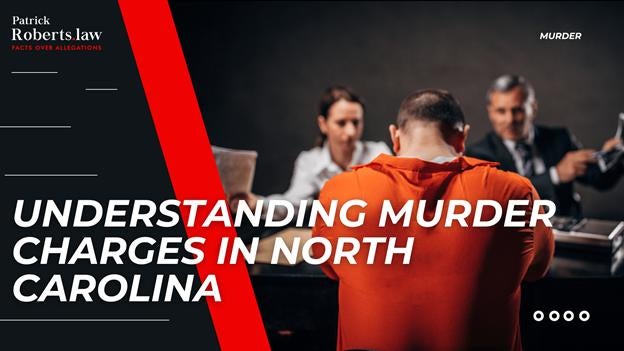
Courtroom scene with a lawyer speaking to a serious-looking jury and bold text asking, “Can a jury choose manslaughter vs murder in NC?”

Can a Jury Choose Manslaughter vs Murder in?

How Do Juries Make Decisions in North Carolina Homicide Cases? Yes, in North Carolina, juries can choose to convict a defendant of manslaughter instead of murder when the evidence supports such a finding. This is a critical aspect of North Carolina's criminal justice system, particularly in homicide cases where the stakes are extremely high. When a defendant is charged with first-degree murder in North Carolina, the jury typically has multiple verdict options available, as outlined in the North Carolina Pattern Jury Instructions (N.C.P.I.-Crim. 206.10): Guilty of first-degree murder Guilty of second-degree murder Guilty of voluntary manslaughter Guilty of involuntary manslaughter Not guilty These options allow the jury to consider the specific circumstances of each case and determine which charge, if any, most accurately reflects the defendant's actions and mental state. more What Are North Carolina's Homicide Classifications? To understand how juries make these decisions, it's important to understand how North Carolina law defines each type of homicide: What Constitutes First-Degree Murder? (Class A Felony) First-degree murder in North Carolina is defined under N.C. Gen. Stat. § 14-17(a) as: A killing committed with "willful, deliberate, and premeditated" intent A killing committed during the perpetration of certain felonies (felony murder) A killing using "nuclear, biological, or chemical weapon of mass destruction, poison, lying in wait, imprisonment, starving, torture" Certain domestic violence-related killings under N.C. Gen. Stat. § 14-17(a1) First-degree murder carries the most severe penalties, including the possibility of death or life imprisonment without parole. How Is Second-Degree Murder Defined? (Class B1 or B2 Felony) Second-degree murder is defined in N.C. Gen. Stat. § 14-17(b) as an unlawful killing with malice but without premeditation and deliberation. The key distinction from first-degree murder is the absence of planning before the act. What Qualifies as Voluntary Manslaughter? (Class D Felony) Voluntary manslaughter is defined in N.C. Gen. Stat. § 14-18 and case law as the unlawful killing of another without malice and without premeditation and deliberation. According to N.C.P.I.-Crim. 206.10, this typically occurs in two scenarios: When a person kills in the "heat of passion" upon adequate provocation When a person kills in imperfect self-defense (using excessive force or acting as an aggressor) What Is Involuntary Manslaughter? (Class F Felony) Involuntary manslaughter is defined in N.C. Gen. Stat. § 14-18 as the unintentional killing of another person through either: An unlawful act not amounting to a felony An act done in a criminally negligent manner How Do Juries Make the Decision Between Murder and Manslaughter? When deciding between murder and manslaughter charges, North Carolina juries must consider several key factors: Evidence of Premeditation and Deliberation For first-degree murder, the prosecution must prove the defendant formed the intent to kill over some period of time (premeditation) and acted in a cool state of mind (deliberation). According to N.C.P.I.-Crim. 206.10, evidence might include: Lack of provocation by the victim Conduct before, during, and after the killing Threats or declarations made by the defendant Use of excessive force Manner of killing What Is the Role of Malice in Murder Charges? Malice is a crucial element that distinguishes murder from manslaughter. In North Carolina law, malice is defined in N.C.P.I.-Crim. 206.10 as: Hatred, ill will, or spite "The condition of mind which prompts a person to intentionally take the life of another or to intentionally inflict serious bodily harm that proximately results in another person's death without just cause, excuse or justification" If a defendant acted with malice, they may be guilty of murder rather than manslaughter. Heat of Passion A key factor that can reduce murder to voluntary manslaughter is whether the defendant acted in the "heat of passion" upon adequate provocation. N.C.P.I.-Crim. 206.10 explains this occurs when: The defendant's state of mind was "so violent as to overcome reason" The provocation would naturally cause such passion in a person of average mind and disposition The killing occurred before a reasonable cooling-off period What Are the Self-Defense Considerations? Self-defense plays a significant role in determining the appropriate charge under N.C. Gen. Stat. §§ 14-51.2, 14-51.3, and 14-51.4: Complete self-defense may result in a not guilty verdict Imperfect self-defense (excessive force or being the aggressor) may reduce murder to voluntary manslaughter What Are Lesser Included Offenses in North Carolina Jury Instructions? North Carolina law requires judges to instruct juries on lesser included offenses when the evidence warrants it. This is a critical protection in the criminal justice system. According to State v. Leazer, 353 N.C. 234, 237 (2000), a judge should instruct on a lesser included offense if "the evidence would permit a jury rationally to find the defendant guilty of the lesser offense and acquit him of the greater." The standard jury instructions for first-degree murder in N.C.P.I.-Crim. 206.10 explicitly direct jurors to consider all lesser included homicide offenses, including second-degree murder, voluntary manslaughter, and involuntary manslaughter. What Are Common Scenarios Where Juries Choose Manslaughter? Several common factual scenarios might lead a North Carolina jury to choose manslaughter over murder: Domestic disputes that escalate to violence: When arguments between spouses or partners lead to violence without prior planning Bar fights or similar altercations: When a confrontation unexpectedly results in death Imperfect self-defense cases: When someone genuinely believed they needed to defend themselves but used excessive force as defined in N.C. Gen. Stat. § 14-51.4 Heat of passion killings: When a person reacts immediately to a highly provocative situation, such as discovering a spouse in the act of infidelity Death resulting from another crime: When death occurs during the commission of a non-felony crime or through criminal negligence The Role of a Defense Attorney in Jury Decisions A skilled North Carolina criminal defense attorney plays a crucial role in helping juries understand when manslaughter may be more appropriate than murder by: Challenging evidence of premeditation and deliberation Presenting evidence of provocation Establishing grounds for self-defense under N.C. Gen. Stat. §§ 14-51.2 and 14-51.3 Demonstrating a lack of malice Ensuring proper jury instructions are given regarding lesser included offenses When Judges Must Instruct on Lesser Included Offenses In North Carolina, case law has established when judges are required to provide instructions on lesser included offenses like manslaughter: When the defendant specifically requests such instructions and the evidence supports it (State v. Debiase, 2011 WL 1643629 (N.C. App. 2011)) Even without a request, if sufficient evidence of the lesser offense exists (State v. Lowe, 150 N.C. App. 682, 686 (2002)) Unless the State's evidence is positive as to each element of murder with no contradictory evidence (State v. Millsaps, 356 N.C. 556, 562 (2002)) However, if a defendant explicitly asks the judge not to instruct on lesser included offenses (preferring an "all-or-nothing" approach), the judge may comply. In such cases, the defendant would be barred from later appealing based on the lack of those instructions (State v. Williams, 333 N.C. 719 (1993)). Conclusion The ability of a North Carolina jury to choose between murder and manslaughter charges provides important flexibility in the justice system, allowing for verdicts that accurately reflect the circumstances of each case. These options are firmly established in North Carolina statutory law (N.C. Gen. Stat. §§ 14-17 and 14-18) and reflected in the standard jury instructions (N.C.P.I.-Crim. 206.10). If you or a loved one are facing a charge for murder or manslaughter, you deserve a legal advocate with the experience and dedication to secure the best possible outcome. Attorney Patrick Roberts of Patrick Roberts Law has successfully* defended numerous clients facing the most serious homicide charges. Contact our firm today for a confidential consultation. *Disclaimer: Each case is different and must be evaluated on its individual facts. Attorney Roberts works hard to assess each case individually. Prior results do not guarantee any future outcome.

An image of a home break-in, with bold text reading "Larceny vs. Stealing in North Carolina."

Larceny vs. Stealing in North Carolina

When you're accused of taking something that isn't yours in North Carolina, understanding the exact terms used in court matters a lot. While most people say "stealing," the courts use the term "larceny." Knowing this difference could help you better understand what you're facing. more How Is Stealing Defined in North Carolina Law? Stealing is the everyday word we use when someone takes something that doesn't belong to them without permission. It's the term you'll hear in regular conversation, but it's not what you'll see in legal documents or hear in a courtroom. When charges are filed in North Carolina, you won't be accused of "stealing" – you'll face specific charges like larceny, embezzlement, or robbery. What Constitutes Larceny Under North Carolina Statutes? Larceny is the official legal term used in North Carolina courts for taking someone else's property without their permission, with the plan to keep it permanently. According to North Carolina law (General Statute § 14-70), the state doesn't separate minor larceny from major larceny like some states do. Instead, larceny is usually treated as a Class H felony, unless other laws say differently. What Are the Essential Elements of Larceny in North Carolina? For you to be convicted of larceny in North Carolina, prosecutors need to prove: You took and carried away something - You physically removed property from where it was The property belonged to someone else - It wasn't your property You didn't have permission - The owner didn't say you could take it You meant to keep it permanently - You weren't planning to return it What Are Effective Defenses Against North Carolina Larceny Charges? You thought it was yours - You honestly believed you had a right to the property You had permission - The owner allowed you to take the property You planned to return it - You didn't intend to keep the property forever Wrong person accused - You weren't the one who took the property What Are the Types of Larceny Offenses in North Carolina? North Carolina has several different types of larceny charges: 1. How Is Basic Larceny Classified in North Carolina? (G.S. § 14-72) Misdemeanor Larceny: Taking property worth $1,000 or less is a Class 1 misdemeanor (less serious) Felony Larceny: Taking property worth more than $1,000 is a Class H felony (more serious) Helpful defense tip: If you can challenge how much the property is worth, sometimes a felony charge can be reduced to a misdemeanor. 2. When Is Larceny a Felony Regardless of Value? Under North Carolina law (G.S. § 14-72(b)), certain types of larceny are Class H felonies no matter how much the property is worth: Taking property directly from a person Taking property during a break-in Taking explosives or devices that can start fires Taking guns Taking official records or papers from the North Carolina State Archives Helpful defense tip: For these charges, focus on proving that the specific circumstances (like "taking directly from a person") didn't actually happen. 3. How Is Employee Larceny Treated Under North Carolina Law? (G.S. § 14-74) This law specifically deals with employees who take things from their employers: Class H felony if the value is less than $100,000 Class C felony (much more serious) if the value is $100,000 or more Helpful defense tip: If you can show you had permission to use the property or thought you did, this can be a strong defense. 4. What Are the Specific Larceny Statutes in North Carolina? North Carolina has created specific laws for taking certain items: Taking motor vehicle parts (G.S. § 14-72.8) Taking ginseng plants (G.S. § 14-79) Taking pine needles or pine straw (G.S. § 14-79.1) Taking items from stores (G.S. § 14-72.11) Helpful defense tip: These special laws often require specific things to be proven, which can give you more ways to defend yourself. What Does the Law Say About Receiving and Possessing Stolen Property? Under North Carolina law (G.S. § 14-71 and § 14-71.1), it's also illegal to: Receive property that was stolen Possess property that was stolen To be convicted, prosecutors must prove you knew or should have known the property was stolen. Helpful defense tip: Proving you didn't know the goods were stolen is key to defending against these charges. What Are the Penalties and Consequences for Larceny Convictions? What happens if you're convicted of larceny depends on how the crime is classified: Class 1 Misdemeanor (property worth $1,000 or less): Jail time is possible Class H Felony (property worth over $1,000 or special cases): Prison time is possible Class C Felony (employee theft over $100,000): Potentially years in prison Other consequences might include: Probation Fines Paying back the victims Having a criminal record that makes it harder to get jobs or housing What Are Common Examples of Larceny Offenses in North Carolina? To better understand these laws, here are some examples: Shoplifting: Taking a $50 shirt from a store would be misdemeanor larceny Breaking into a car: Taking a $500 stereo from a car you broke into would be felony larceny (regardless of value) Employee theft: A cashier stealing $200 from the register would be employee larceny Receiving stolen goods: Buying a laptop from someone for $50 when you know it's worth $1,000 and was probably stolen How Can a North Carolina Criminal Defense Attorney Help With Larceny Charges? If you're facing larceny charges in North Carolina, a good defense lawyer can: Look closely at all the evidence against you Find weaknesses in the prosecutor's case Build defenses based on the specific elements they must prove Negotiate for lesser charges or penalties Represent you in court if your case goes to trial Conclusion: Navigating Larceny Charges in North Carolina While "stealing" is the word most people use, "larceny" is the actual crime in North Carolina courts, with specific elements that must be proven. North Carolina's larceny laws can be complicated, with different classifications that can greatly affect the punishment you might face. The difference between misdemeanor and felony charges can be huge for your future. Even a misdemeanor can affect job opportunities, while a felony conviction has much more serious and lasting consequences. A larceny charge in North Carolina can carry serious consequences. Whether you or someone you care about has been accused, you need a defense attorney who understands what's at stake. Attorney Patrick Roberts has a proven track record* of fighting for clients facing larceny charges. Reach out today to schedule a confidential consultation. *Disclaimer: Each case is different and must be evaluated on its individual facts. Attorney Roberts works hard to assess each case individually. Prior results do not guarantee any future outcome.

A person in a black hoodie appearing to tamper with a vehicle, visually suggesting theft. The bold white headline text on a blue background reads, “Is Larceny a Felony in North Carolina?”

Is Larceny a Felony in North Carolina?

In North Carolina, larceny (theft) can be either a felony or a misdemeanor. Which one you might be charged with depends on several key factors. Let's break down how North Carolina law decides whether theft counts as a felony or not. more Larceny as a Felony in North Carolina According to North Carolina law (§ 14-70), the state no longer makes a distinction between petit (small) and grand larceny. Unless the law says otherwise, larceny is generally treated as a Class H felony in North Carolina. What Makes Larceny a Class H Felony? Your theft charge will likely be a Class H felony in North Carolina when: You steal property worth more than $1,000 You receive or have stolen property that's worth more than $1,000, and you knew (or should have known) it was stolen Your theft involves certain situations regardless of the property's value, such as: Stealing directly from a person (like pickpocketing) Stealing during a break-in Stealing explosives or devices that can start fires Stealing guns Stealing official records or papers from the North Carolina State Archives Getting caught stealing after you've already been convicted of larceny four times before A defense attorney might challenge the value of the stolen items if it's close to the $1,000 threshold. For example, if the state claims a stolen laptop was worth $1,100 but you can show it was actually a used device worth only $900, this could potentially reduce the charge from a felony to a misdemeanor. What Are the More Serious Felony Classifications? In some cases, larceny can be charged as an even more serious felony: Class G Felony: Activities related to "chop shops" (where stolen vehicles are dismantled for parts) under § 14-72.7 Class C Felony: When employees or servants steal from their employers and the value exceeds $100,000 (§ 14-74) If you're charged with one of these more serious felonies, the prosecution must prove additional elements beyond simple theft. For instance, in a chop shop case, they must show you knew the vehicle was stolen and were part of dismantling it for parts. When Is Larceny a Misdemeanor in North Carolina? Under § 14-72(a), larceny is charged as a Class 1 misdemeanor when: The stolen property is worth $1,000 or less None of the special circumstances that would make it a felony apply This distinction is important because misdemeanors carry much lighter penalties than felonies in North Carolina. If you're charged with felony larceny for items valued slightly over $1,000, your attorney might dispute the valuation to try to get the charge reduced to a misdemeanor. What Are the Special Types of Larceny in North Carolina? North Carolina has created several specific types of larceny offenses, each with its own rules: What Is Shoplifting and Merchant Theft? (§ 14-72.11) Taking items from stores becomes a Class H felony when: You take property worth more than $200 through emergency exits You remove or disable anti-shoplifting devices You steal infant formula worth more than $100 Many shoplifting cases involve security camera footage. A potential defense might involve challenging the quality of this footage or questioning whether it clearly identifies you as the person who took the items. How Is Stealing Car Parts Treated Under Law? (§ 14-72.8) Taking parts from vehicles is a Class I felony if: Fixing the damage to the vehicle costs $1,000 or more, or You steal a catalytic converter (regardless of value) Catalytic converters are specifically mentioned in the law because they contain valuable metals and are frequently targeted by thieves. The state doesn't need to prove the value of the converter - just that you took it. What Counts as Construction Site Theft? (§ 14-72.6) This becomes a Class I felony when: You steal goods worth between $300 and $1,000 from construction sites that have building permits Construction sites are often targeted because they contain valuable materials and equipment that can be difficult to secure. If you're found with construction materials, having proof of purchase could be crucial to your defense. What Are Common Defenses to Larceny Charges? If you're facing larceny charges in North Carolina, several possible defenses might apply: You didn't mean to steal: Larceny requires that you intended to take someone else's property permanently. If you honestly thought the property was yours or that you had permission to take it, this could be a valid defense. Disagreement about value: Since the value determines whether larceny is a felony or misdemeanor, challenging how much the property is actually worth can be very important. Belief of ownership: If you truly believed you had a right to the property, this might show you didn't have the intent required for a larceny conviction. Wrong person identified: The prosecution must prove beyond a reasonable doubt that you were the person who committed the theft. If witnesses are uncertain or if identification is based on poor-quality video, this could be challenged. You returned the property: While not a complete defense, voluntarily returning property before being charged might sometimes result in reduced charges. What Are the Penalties for Larceny in North Carolina? What happens if you're convicted of larceny depends on how it's classified: Class H Felony: You could face years in prison Class I Felony: You could face up to months, even over a year, in prison Class 1 Misdemeanor: You could face months in jail Beyond potential jail time, a larceny conviction can also mean: Probation with regular check-ins with a probation officer Fines that can add up to thousands of dollars Having to pay back victims for what was stolen or damaged A permanent criminal record that makes it harder to get jobs, rent apartments, or obtain professional licenses Possible immigration consequences for non-citizens Why Do You Need a Lawyer for Larceny Charges? If you're facing larceny charges in North Carolina, having an experienced criminal defense attorney is extremely important. A good lawyer can: Look at all the evidence the state has against you Find weaknesses in the prosecution's case Create a defense strategy based on your specific situation Negotiate with prosecutors to potentially get charges reduced Represent you at trial if necessary Help first-time offenders explore diversion programs that might be available Advise on collateral consequences like effects on employment or housing Even for misdemeanor larceny charges, having legal representation can make a significant difference in the outcome of your case and your future opportunities. Conclusion In North Carolina, larceny is typically charged as a Class H felony, but can be a misdemeanor when the property is worth $1,000 or less and no special circumstances apply. The exact charge depends on factors like what was stolen, how much it was worth, how it was taken, and whether you have prior theft convictions. Understanding these distinctions is crucial if you or someone you know is facing theft-related charges in North Carolina. Remember that each case is unique, and the specific facts of your situation will determine the best defense strategy. An experienced North Carolina criminal defense attorney can help you understand your options and work toward the best possible outcome. Felony larceny charges in North Carolina can threaten your freedom, your record, and your future. If you or a loved one is facing this kind of allegation, it's critical to have an experienced defense attorney on your side. Attorney Patrick Roberts has extensive experience defending clients against the most serious charges. Contact our office now to set up a confidential consultation and start building your defense.

Homicide vs. Murder in North Carolina – a police line tape warns, "POLICE LINE DO NOT CROSS," set against a blurred outdoor background.

Homicide vs. Murder in North Carolina

If you're facing criminal charges in North Carolina, knowing the difference between homicide and murder could greatly impact your case. While many people use these terms to mean the same thing in everyday talk, North Carolina law makes important distinctions that affect everything from possible penalties to defense strategies. more What is Homicide in North Carolina? Homicide simply means one person killing another person. This broad legal term covers many situations, and it's important to understand that: Not all homicides are crimes – some are legally justified Self-defense killings are homicides but may not be criminal Accidental deaths can be homicides without criminal intent Homicide is the main term covering various types of killings North Carolina law sorts criminal homicides based on the specific circumstances, the accused person's intent, and their state of mind during the act. How Does North Carolina Law Define Murder? According to North Carolina General Statute § 14-17, "Murder in the first and second degree defined; punishment," the state recognizes different types of murder: What Qualifies as First-Degree Murder in North Carolina? First-degree murder is the most serious homicide charge in North Carolina's criminal code. A killing counts as first-degree murder when it is: Planned ahead of time (willful, deliberate, and premeditated) Done with evil intent (malice) Carried out using poison, lying in wait, imprisonment, starvation, or torture Or committed while doing another serious crime (like arson, rape, robbery, or kidnapping) First-degree murder in North Carolina is a Class A felony under § 14-17(a). This carries the harshest penalties in the state – either death or life in prison without the possibility of parole. How Is Second-Degree Murder Different? Under § 14-17(b), second-degree murder covers killings that don't meet the requirements for first-degree murder but still involve evil intent. These killings typically: Are done with evil intent but without planning Lack the planning element of first-degree murder Show extreme recklessness or disregard for human life Show what the law calls a "depraved heart" North Carolina punishes second-degree murder as either a Class B1 or B2 felony, depending on the circumstances. The difference between B1 and B2 often depends on whether the killing was from an "inherently dangerous act or omission, done in such a reckless and wanton manner as to manifest a mind utterly without regard for human life." What Types of Manslaughter Does North Carolina Recognize? North Carolina law recognizes two different types of manslaughter under § 14-18, entitled "Punishment for manslaughter": Voluntary Manslaughter Voluntary manslaughter involves killing without planning but during the "heat of passion" after being strongly provoked. Key elements include: A killing done during an emotional state that would upset a reasonable person No "cooling off" period between what provoked the person and the killing No evil intent needed for murder charges Classified as a Class D felony in North Carolina A classic example is finding a spouse cheating and immediately responding with deadly force – while still a crime, the law sees this as less serious than murder. Involuntary Manslaughter Involuntary manslaughter covers unintentional killings caused by recklessness, carelessness, or during a minor crime. Common examples include: Deaths caused by extreme carelessness Deaths during minor criminal activities Unintentional killings where the person should have known their actions created serious risk Classified as a Class F felony in North Carolina Examples often include drunk driving deaths or deaths from handling weapons carelessly. How Do Death by Distribution Laws Work in North Carolina? In response to the drug crisis, North Carolina created specific homicide laws under § 14-18.4, "Death by distribution of certain controlled substances; aggravated death by distribution of certain controlled substances; penalties." These laws target people who provide drugs that cause fatal overdoses: Death by Distribution Through Unlawful Delivery of Certain Controlled Substances (Class C felony) – when someone provides drugs that cause death Death by Distribution Through Unlawful Delivery with Malice of Certain Controlled Substances (Class B2 felony) – when evil intent comes with the drug delivery Death by Distribution Through Unlawful Sale of Certain Controlled Substances (Class B2 felony) – specifically targeting drug sellers whose products cause death Aggravated Death by Distribution Through Unlawful Sale of Certain Controlled Substances (Class B1 felony) – applies to repeat offenders with prior drug convictions These newer laws aim to hold drug dealers responsible when their products lead to fatal overdoses, particularly with opioids, meth, cocaine, and other dangerous drugs. What Are the Key Differences Between Homicide and Murder? Understanding the main differences between homicide and murder in North Carolina is essential for anyone facing charges: Intent and Mental State: Murder requires evil intent or planning; homicide just describes the act of killing regardless of mental state Legal Status: Not all homicides break the law; all murders are crimes Relationship: Murder is one specific type of criminal homicide among several possibilities Penalties: Different homicide types carry very different penalties, from possible death sentences to much shorter prison terms Why These Differences Matter for Your Defense The specific homicide charge you face greatly impacts your case because: Each charge requires prosecutors to prove different things beyond a reasonable doubt Sentence ranges vary dramatically between homicide categories Defense strategies change based on the exact charge Plea deal possibilities depend significantly on the nature of the initial charge Why Should You Seek Legal Help for Homicide Charges? If you're facing homicide charges in North Carolina, getting experienced legal help is absolutely essential. The difference between a murder charge and a lesser homicide offense can literally mean decades in your sentence. A good North Carolina criminal defense lawyer can thoroughly examine the evidence, find weaknesses in the prosecution's case, challenge improper evidence, and develop an effective defense strategy for your specific situation. They will also protect your rights throughout every stage of the criminal justice process. If you or a loved one are facing a charge for committing a homicide, you deserve a legal advocate with the experience and dedication to secure the best possible outcome. Attorney Patrick Roberts of Patrick Roberts Law has successfully defended numerous clients facing the most serious homicide charges. Contact our firm today for a confidential consultation.

Bold white text asks, "WHAT’S DIFFERENT BETWEEN FIRST AND SECOND DEGREE MURDER?" The background features two detectives in a dim room: one at a crime board, the other listening at a cluttered table.

What’s Different Between First and Second Degree Murder?

When facing the North Carolina criminal justice system, understanding the difference between first and second degree murder is crucial. For those dealing with criminal charges or simply trying to understand North Carolina's homicide laws, knowing these differences can greatly impact defense strategies and possible outcomes. This guide breaks down these important legal distinctions in clear terms. more What Are the Murder Charges in North Carolina? North Carolina law groups homicide offenses based on the killer's mindset, the situation surrounding the death, and other factors that make the crime more serious. North Carolina General Statute § 14-17 clearly defines first and second degree murder, with each carrying very different elements and punishments. What Constitutes First Degree Murder in North Carolina? First degree murder is the most serious homicide charge in North Carolina. According to North Carolina law G.S. § 14-17(a), a killing counts as first degree murder when it meets specific criteria that show higher blame. How Does Premeditation Factor into First Degree Murder? The main feature of first degree murder in North Carolina is planning ahead and thinking about the killing before doing it. This means the killer: Decided to kill before actually doing it Had time, even just a moment, to think about the killing Made a conscious choice to go ahead with the killing after thinking about it Planning doesn't need to be extensive or take a long time. North Carolina courts have ruled that planning can happen in just seconds—what matters is that some thought occurred before the killing. Which Specific Methods Automatically Count as First Degree Murder? North Carolina law specifically lists certain ways of killing as first degree murder, regardless of how long the planning took. Under G.S. § 14-17(a), these methods include: Using nuclear, biological, or chemical weapons of mass destruction as defined in G.S. 14-288.21 Using poison Waiting for the victim in hiding (lying in wait) Killing through imprisonment Causing death by starvation Killing through torture These methods are considered so deliberately harmful that the law assumes the necessary planning was involved. The Felony Murder Rule Another way to be charged with first degree murder in North Carolina is through the felony murder rule. Under G.S. § 14-17(a), a killing that happens during certain dangerous crimes automatically counts as first degree murder, even without proof of planning. These qualifying crimes include: Arson (fire-setting) Rape or sex crimes Robbery Kidnapping Breaking and entering (burglary) Other serious crimes committed or attempted with the use of a deadly weapon The felony murder rule greatly expands what counts as first degree murder, as it can apply even when someone didn't mean to kill but was doing something dangerous that resulted in death. Special Rules for Domestic Violence Cases North Carolina has stronger protections for victims of domestic violence through a special part of the murder law. Under G.S. § 14-17(a1), if someone with a previous domestic violence conviction kills their victim, the law assumes the killing is first degree murder. This applies when: The murder was committed against a spouse, ex-spouse, partner, dating partner (as defined in G.S. 50B-1(b)(6)), or co-parent The killer had been previously convicted of specific domestic violence offenses against the same victim, including: An act of domestic violence as defined in G.S. 50B-1(a) Violation of a domestic violence protective order under G.S. 50B-4.1 Communicating a threat under G.S. 14-277.1 Stalking as defined in G.S. 14-277.3A Cyberstalking as defined in G.S. 14-196.3 Domestic criminal trespass as defined in G.S. 14-134.3 This reflects North Carolina's commitment to addressing domestic violence that often ends in death. Second Degree Murder in North Carolina: When and How It Applies Second degree murder, while still very serious, lacks the planning element of first degree murder. Under G.S. § 14-17(b), second degree murder includes killings done with evil intent (malice) but without planning ahead. What Is "Malice" in Second Degree Murder Cases? Evil intent (malice) is the key element that separates murder from manslaughter in North Carolina. This evil intent can show up in three ways: Actually wanting to kill someone Wanting to cause serious harm likely to cause death Showing extreme disregard for human life that demonstrates wickedness The lack of planning separates second degree from first degree murder, while the presence of evil intent separates second degree murder from voluntary manslaughter (G.S. § 14-18). Two Types of Second Degree Murder North Carolina law divides second degree murder into two different types with different sentences: Standard Second Degree Murder This type applies to killings done with evil intent but without planning ahead. It's classified as a Class B1 felony under G.S. § 14-17(b). Extremely Dangerous Act Murder This type applies when "the malice necessary to prove second degree murder is based on an inherently dangerous act or omission, done in such a reckless and wanton manner as to manifest a mind utterly without regard for human life and social duty and deliberately bent on mischief." This type carries a reduced classification as a Class B2 felony under G.S. § 14-17(b). An example might be driving while extremely drunk at very high speeds through a school zone, causing a deadly crash. While the driver didn't specifically want to kill anyone, the behavior shows such extreme recklessness that it meets the evil intent requirement. How Do Punishments Differ Between First and Second Degree Murder? The difference between first and second degree murder charges extends significantly into punishments, with first degree murder carrying North Carolina's harshest penalties. First Degree Murder Punishments First degree murder is a Class A felony in North Carolina—the most serious criminal classification. According to G.S. § 14-17(a), possible punishments include: Death penalty (for eligible adult offenders where factors making the crime worse outweigh factors making it less severe) Life in prison without the possibility of parole as determined under G.S. 15A-2000 For offenders under 18 years old when the crime happened, special sentencing according to Part 2A of Article 81B of Chapter 15A of the General Statutes Second Degree Murder Punishments The punishments for second degree murder vary depending on the type: Standard second degree murder (Class B1 felony): Potentially decades in prison, depending on past criminal record and other factors Extremely dangerous act second degree murder (Class B2 felony): Potentially decades in prison, with the same variable factors This big difference in sentencing shows that the legal system views planned killings as deserving more severe punishment than those committed without planning, even when both involve evil intent. What Special Cases Exist in North Carolina Murder Law? North Carolina murder laws include several provisions addressing special situations that may come up in homicide cases. Injuries Before or Right After Birth That Result in Death Under G.S. § 14-17(c), North Carolina recognizes as murder situations where a baby is born alive but later dies due to: Injuries that happened before birth An intentional, overt act done after the child is born alive The degree of murder is determined using the same standards as other murders, looking at planning and evil intent. Death Caused by Providing Drugs While separate from the murder statute, North Carolina has created specific crimes related to deaths caused by providing drugs under G.S. § 14-18.4. These include: Death by Distribution Through Unlawful Delivery of Certain Controlled Substances (Class C felony) under G.S. § 14-18.4(a1) Death by Distribution Through Unlawful Delivery with Malice of Certain Controlled Substances (Class B2 felony) under G.S. § 14-18.4(a2) Death by Distribution Through Unlawful Sale of Certain Controlled Substances (Class B2 felony) under G.S. § 14-18.4(b) Aggravated Death by Distribution Through Unlawful Sale of Certain Controlled Substances (Class B1 felony) under G.S. § 14-18.4(c) These laws specifically target drug dealers and people who provide substances that result in fatal overdoses. Why Do These Differences Matter for Your Defense Strategy? Understanding the difference between first and second degree murder is crucial for creating an effective defense strategy. Key points include: Different Levels of Proof Needed For first degree murder, prosecutors must prove beyond a reasonable doubt that the defendant planned the killing. This creates potential defense strategies by challenging the evidence of planning. Impact on Plea Deals The substantial difference in punishments creates significant room for plea negotiations. In some cases, prosecutors may agree to reduce a first degree murder charge to second degree in exchange for a guilty plea, particularly if evidence of planning is questionable. Different Possible Defenses While self-defense can apply to both first and second degree murder charges, other defenses may work better depending on the specific charge. For instance, challenging the existence of planning is key to defending against first degree murder charges but doesn't matter for second degree murder. Mental Health Considerations Evidence about a defendant's mental state can play different roles depending on the murder degree charged. For first degree murder, mental health evidence may weaken the prosecution's claim that the defendant could form the specific intent required for planning. The Importance of Experienced Legal Help The complexities of murder charges in North Carolina highlight the critical importance of getting experienced legal help. An experienced North Carolina criminal defense attorney familiar with homicide law can: Thoroughly investigate the circumstances of the alleged crime Find weaknesses in the prosecution's evidence regarding planning or evil intent Develop strategic defenses based on the specific facts of your case Handle complex pretrial motions and evidence issues Negotiate with prosecutors when appropriate Present a compelling case at trial if necessary Murder charges carry life-changing consequences in North Carolina, making experienced legal representation not just helpful but essential for those facing such serious allegations. Conclusion: Understanding the Key Differences The difference between first and second degree murder in North Carolina mainly centers on whether there was planning involved, with significant effects on both legal proceedings and possible sentences. First degree murder involves calculated, planned killing or deaths occurring during specified serious crimes, while second degree murder involves evil intent without planning. For people dealing with North Carolina's criminal justice system, understanding these differences provides a foundation for making informed decisions about defense strategies. However, the complexities of homicide law require professional legal guidance tailored to each specific case. If you or a loved one are facing murder charges, you deserve a legal advocate with the experience and dedication to secure the best possible outcome. Attorney Patrick Roberts of Patrick Roberts Law has successfully defended numerous clients facing first and second degree murder. Contact our firm today for a confidential consultation.

Contact Us

Fill out this form below and we'll contact you shortly
*Required Fields