

If you’re facing drug trafficking charges or worried about past conduct coming back to haunt you, understanding North Carolina’s statute of limitations is crucial. The answer may surprise you: North Carolina has no statute of limitations for drug trafficking charges. This means prosecutors can charge you with drug trafficking years or even decades after the alleged offense occurred.
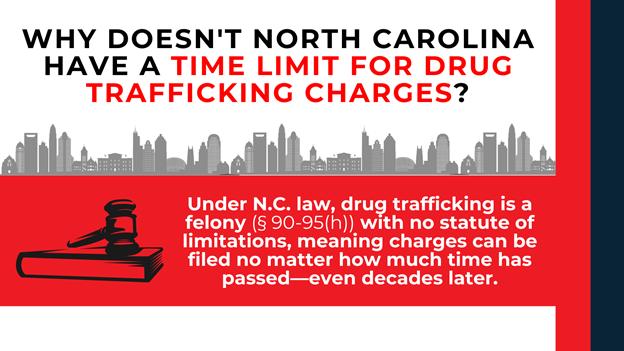
Why Doesn’t North Carolina Have a Time Limit for Drug Trafficking Charges?
Under North Carolina law, drug trafficking is classified as a felony offense pursuant to N.C. Gen. Stat. § 90-95(h). Unlike many other states, North Carolina does not impose any statute of limitations on felony prosecutions. While N.C. Gen. Stat. § 15-1 establishes a two-year limitation period for most misdemeanors, this restriction does not apply to felonies.
This legal framework means that law enforcement can investigate and prosecutors can file drug trafficking charges regardless of how much time has passed since the alleged criminal activity. Whether the trafficking allegedly occurred last year or twenty years ago, you can still face prosecution.
What Constitutes Drug Trafficking Under North Carolina Law?
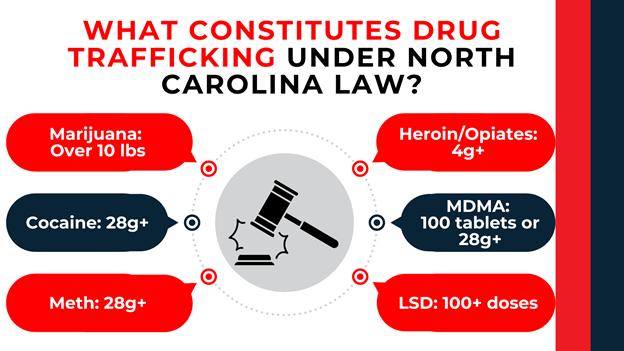
Drug trafficking charges under N.C. Gen. Stat. § 90-95(h) are based on the weight or quantity of controlled substances involved, not necessarily the intent to distribute. The statute establishes specific thresholds for various substances:
- Marijuana: Possession of more than 10 pounds
- Cocaine: 28 grams or more
- Methamphetamine: 28 grams or more
- Heroin/Opiates: 4 grams or more
- MDMA/Ecstasy: 100 tablets or 28 grams
- LSD: 100 dosage units or more
These weight-based thresholds mean that simple possession of these amounts automatically elevates the charge to trafficking, regardless of whether you intended to sell or distribute the substances.
Can Old Drug Trafficking Cases Really Be Prosecuted Years Later?
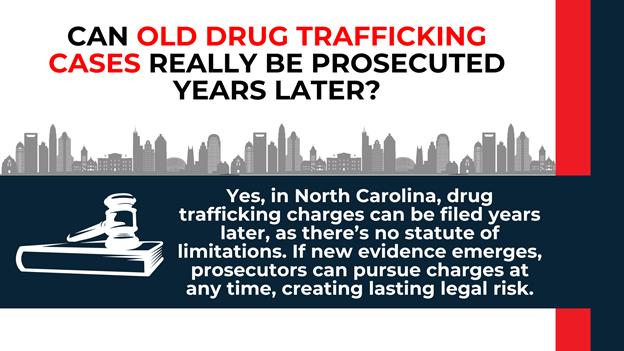
Yes, prosecutors regularly bring charges for drug trafficking offenses that occurred years or even decades in the past. North Carolina courts have consistently upheld convictions in cases where significant time has elapsed between the alleged crime and prosecution.
The absence of a statute of limitations means that if new evidence emerges—such as a witness coming forward, DNA evidence being discovered, or co-defendants deciding to cooperate—prosecutors can move forward with charges at any time. This creates ongoing legal vulnerability for anyone who may have been involved in drug-related activities in the past.
What Constitutional Protections Apply When Charges Are Filed Years Later?
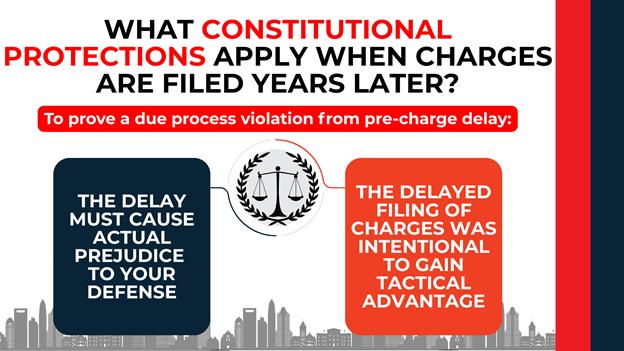
While North Carolina law doesn’t impose a statute of limitations for drug trafficking, constitutional protections still apply. The Due Process Clause provides some protection against unreasonable delays in prosecution. To establish a due process violation based on pre-charge delay, you must demonstrate:
- The delay caused actual prejudice to your defense (such as lost evidence or unavailable witnesses)
- The prosecution deliberately delayed filing charges to gain a tactical advantage
Additionally, the Sixth Amendment’s guarantee of a speedy trial applies once charges are filed, though this is separate from statute of limitations issues.
How Does This Compare to Drug Possession Charges?
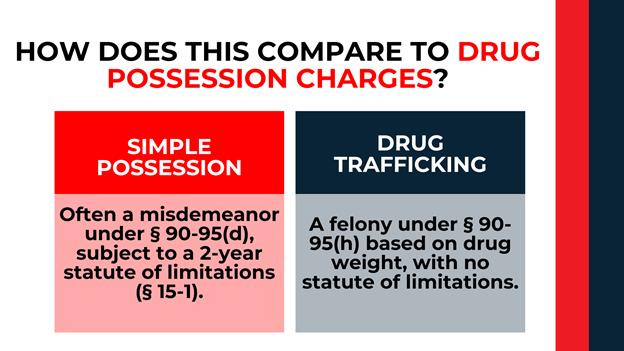
The distinction between trafficking and simple possession is critical for limitation periods. Simple possession of small amounts of controlled substances may be charged as a misdemeanor under N.C. Gen. Stat. § 90-95(d), depending on the substance and quantity involved. These misdemeanor possession charges are subject to the two-year statute of limitations under N.C. Gen. Stat. § 15-1.
However, once the quantity reaches trafficking levels as defined in N.C. Gen. Stat. § 90-95(h), the charge becomes a felony with no limitation period. This weight-based distinction can have profound implications for potential defendants.
What Should You Do If You’re Concerned About Past Drug-Related Activities?
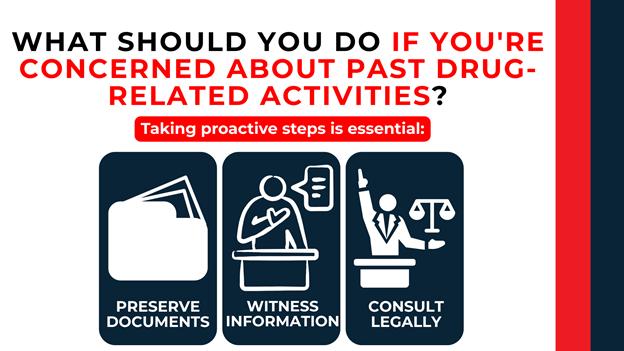
If you have concerns about potential drug trafficking charges from past conduct, taking proactive steps is essential:
- Document preservation: Maintain any records that could support your defense
- Witness information: Keep track of potential witnesses who could testify on your behalf
- Legal consultation: Speak with an experienced criminal defense attorney to understand your risks and options
The absence of a statute of limitations means that waiting and hoping charges won’t be filed is not a sound strategy. Understanding your legal position and preparing accordingly is crucial.
Can Federal Drug Trafficking Charges Be Filed Instead?
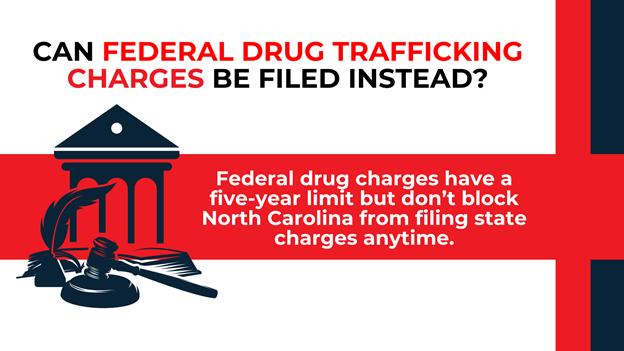
Federal prosecutors may also pursue drug trafficking charges, which carry their own statute of limitations—typically five years for most federal drug offenses. However, federal charges involve different elements and jurisdictional requirements. The existence of federal limitations doesn’t prevent North Carolina from pursuing state charges at any time.
What Defenses Remain Available in Older Drug Trafficking Cases?
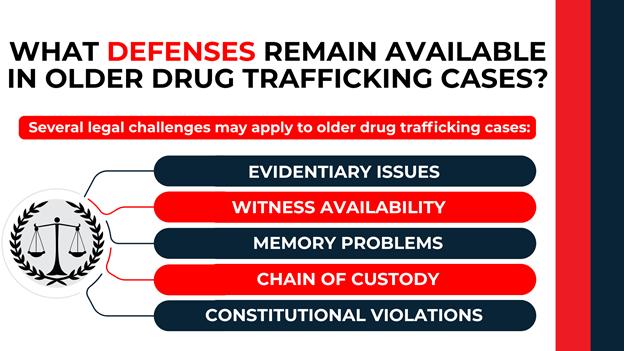
Even without a statute of limitations defense, several legal challenges may apply to older drug trafficking cases:
- Evidentiary issues: Physical evidence may be lost or degraded
- Witness availability: Key witnesses may be deceased or unable to testify
- Memory problems: Witness recollections fade over time
- Chain of custody: Proving proper evidence handling becomes more difficult
- Constitutional violations: Fourth Amendment search and seizure issues don’t disappear with time
These challenges often become more pronounced as cases age, potentially creating reasonable doubt despite the absence of a limitations period.
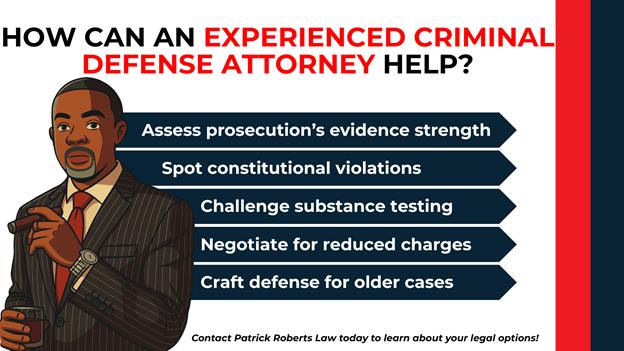
How Can an Experienced Criminal Defense Attorney Help?
Facing drug trafficking charges—whether recent or from years past—requires skilled legal representation. An experienced criminal defense attorney can:
- Evaluate the strength of the prosecution’s evidence
- Identify constitutional violations in the investigation
- Challenge the weight and testing of alleged controlled substances
- Negotiate with prosecutors for reduced charges when appropriate
- Develop defense strategies specific to older cases
North Carolina’s lack of a statute of limitations for drug trafficking makes early legal consultation essential. Whether you’re under investigation, have been charged, or are concerned about past conduct, understanding your rights and options is critical.
Attorney Patrick Roberts has extensive experience defending clients against drug trafficking charges throughout North Carolina.* With a thorough understanding of N.C. Gen. Stat. § 90-95 and the complexities of drug prosecutions, Patrick Roberts Law provides the aggressive defense you need. Don’t wait for charges to be filed—contact Patrick Roberts Law today to discuss your situation and protect your rights. Early intervention can make a significant difference in the outcome of your case.
*Each case is different and must be evaluated separately. Prior results achieved do not guarantee similar results can be achieved in future cases.
Former assistant district attorney
Contact Patrick Roberts
Facing criminal charges in North Carolina demands seasoned representation. Trust in the experience and dual perspective of Patrick Roberts. Reach out today for a confidential consultation.
-
Call Our Team
Calls answered 24/7








For more information on the selection criteria, go to www.martindale.com
*Each case is different and must be evaluated separately. Prior results achieved do not guarantee similar results can be achieved in future cases.