

If you’re facing sexual assault charges in Cary, NC, your freedom, reputation, and future are on the line. These are serious allegations that demand immediate action and skilled representation from a criminal defense attorney. Patrick Roberts understands the complexities of North Carolina’s sexual offense laws. He provides aggressive defense strategies for individuals accused of sexual assault throughout Wake County and the greater Triangle area. Call or contact Patrick Roberts Law online now. Time is not on your side, but we are.
What You Need To Know: Sexual Assault Charges in North Carolina
Sexual assault encompasses a broad range of unwanted sexual conduct under North Carolina law. These charges can include forced or coerced sexual acts, unwanted touching, and situations involving threats or physical force. The severity of charges depends on specific circumstances, including the use of force, the age of the alleged victim, and the relationship between the parties involved.
North Carolina categorizes sexual offenses into different degrees, with first-degree charges carrying the most severe penalties. These cases often involve allegations of force, weapons, or victims under certain ages. The prosecution must prove every element of the alleged crime beyond a reasonable doubt, creating opportunities for strategic defense.
What Are The Most Common Sexual Assault Charges in Wake County?
First-Degree Forcible Rape (N.C.G.S. § 14-27.21)
- Involves vaginal intercourse by force and against the victim’s will
- Class B1 felony carrying potential life imprisonment
- Mandatory minimum sentences apply in certain circumstances
Second-Degree Forcible Sexual Offense (N.C.G.S. § 14-27.27)
- Sexual acts committed by force and against the victim’s will
- Class C felony with significant prison exposure
- Registration requirements upon conviction
Sexual Battery (N.C.G.S. § 14-27.33)
- Unwanted sexual touching for arousal or gratification
- Class A1 misdemeanor requiring sex offender registration
- Often charged alongside more serious offenses
How Patrick Roberts Defends Sexual Assault Cases in Cary
As a former assistant district attorney with over 22 years of experience, Attorney Patrick Roberts understands both sides of the criminal justice system. This dual perspective allows him to anticipate prosecution strategies and identify weaknesses in their case from the earliest stages of investigation.
Immediate Case Protection
Time is critical when facing sexual assault allegations. Law enforcement may attempt to conduct interviews, seek search warrants, or gather additional evidence that could strengthen the prosecution’s case. Early legal intervention protects your constitutional rights and prevents potentially damaging mistakes.
Clients are advised to exercise their right to remain silent and request legal representation immediately upon arrest or contact by law enforcement. The law firm can quickly mobilize resources to protect your interests, preserve favorable evidence, and begin building a strong defense before the prosecution solidifies their case.
Strategic Defense Approaches
Every sexual assault case presents unique challenges and opportunities for defense. Mr. Roberts thoroughly investigates each case to identify the strongest defense strategies, which may include:
Constitutional Challenges
- Challenging unlawful searches and seizures
- Questioning the validity of police interrogations
- Filing motions to suppress improperly obtained evidence
Factual Defenses
- Establishing consent where applicable
- Demonstrating inconsistencies in witness testimony
- Presenting alibi evidence and alternative explanations
Professional Witness Testimony
- Utilizing forensic professionals to challenge physical evidence
- Employing psychologists to explain behavior patterns
- Consulting medical professionals when injuries are alleged
The Stakes: Consequences of Sexual Assault Convictions
Sexual assault convictions carry life-altering consequences that extend far beyond prison time:
Prison Sentences
- Felony sexual assault convictions can result in decades of imprisonment
- Mandatory minimum sentences apply to certain offenses
- Habitual offender status can lead to life imprisonment
Sex Offender Registration
- Lifetime registration requirements for many convictions
- Severe restrictions on where you can live and work
- Public notification requirements affecting family and employment
Collateral Consequences
- Permanent criminal record affecting employment opportunities
- Loss of professional licenses and certifications
- Immigration consequences for non-citizens
- Restrictions on child custody and visitation rights
Local Court Experience in Wake County
Wake County courts processes thousands of criminal matters annually, with sexual assault allegations among the most rigorously prosecuted. Patrick Roberts Law leverages extensive experience within the Wake County Superior and District Court systems to provide strategic, detail-oriented representation. This deep familiarity with local courtroom procedures and protocols ensures that every client receives a defense tailored to the specific standards of the Wake County legal community.
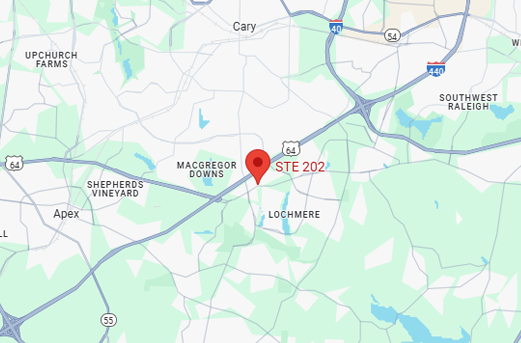
Patrick Roberts Law maintains a local office at 543 Keisler Dr, Suite 202, in Cary, providing accessible legal support for clients throughout Wake County and the Triangle.
Protecting Your Rights from Day One
If you’re under investigation or have been charged with sexual assault in Cary or anywhere in Wake County, taking immediate protective steps is crucial:
Critical First Steps
Exercise Your Right to Remain Silent
- Do not speak to law enforcement without an attorney present
- Avoid discussing the case with family, friends, or anyone else
- Remember that anything you say can be used against you in court
Contact a Criminal Defense Attorney Immediately
- Early legal intervention can significantly impact case outcomes
- An attorney can protect your rights during police questioning
- Legal counsel can begin investigating the case and preserving favorable evidence
Preserve Evidence
- Do not delete text messages, emails, or social media communications
- Maintain records of your whereabouts during the alleged time period
- Identify potential witnesses who can support your defense
Avoid Contact with the Alleged Victim
- Any contact, direct or indirect, can be misinterpreted as intimidation
- Follow any no-contact orders issued by the court
- Inform family members about restrictions to prevent accidental violations
Why Choose Patrick Roberts Law
Representative Case Results*
The case results at Patrick Roberts Law reflect the firm’s history of defending clients against the most serious sexual assault charges in North Carolina, including matters where individuals faced potential life imprisonment. Recent achievements include the dismissal* of first-degree rape charges carrying potential sentences of 60 to 87 years and the negotiation of resolutions that successfully* avoided sex offender registration requirements for the firm’s clients.
*Each case is different and must be evaluated separately. Prior results achieved do not guarantee similar results can be achieved in future cases.
Prosecutorial Insight
Having served as an Assistant District Attorney across three North Carolina counties, Attorney Patrick Roberts provides the firm’s clients with a sophisticated prosecutorial perspective on criminal defense. This professional background allows the legal team to:
- Anticipate prosecution strategies and weaknesses
- Navigate Local Courtroom Procedures
- Identify the specific points where investigations often fail to meet the State’s high burden of proof
- Leverage a high-level understanding of prosecutorial tactics to build proactive and effective defense strategies
Comprehensive Investigation
Mr. Roberts conducts thorough investigations designed to identify evidence and witnesses that may have been overlooked during the initial law enforcement inquiry. This includes collaborating with forensic experts and conducting independent witness interviews to ensure every possible avenue for the defense is explored.
Understanding the Difference: Sexual Battery vs. Sexual Assault
It’s important to understand the distinction between sexual battery and sexual assault under North Carolina law. Sexual battery involves unwanted sexual touching without penetration and is typically charged as a misdemeanor. Sexual assault, particularly when involving penetration, is usually charged as a felony with much more severe penalties.
Both charges carry serious consequences, including mandatory sex offender registration, but the penalties and long-term impacts differ significantly. Understanding these distinctions is crucial for developing an effective defense strategy.
Frequently Asked Questions
What should I do if I’m arrested for sexual assault in Cary?
Immediately request an attorney and exercise your right to remain silent. Contact Patrick Roberts Law at 919-746-7206 for emergency legal representation.
Can sexual assault charges be reduced or dismissed?
Yes, with proper legal representation, charges can sometimes be reduced or dismissed based on insufficient evidence, procedural violations, or successful plea negotiations.
How long do sexual assault investigations typically take in Wake County?
Investigations can last weeks to months depending on the complexity of the case and the evidence involved. Having an attorney involved early can help protect your rights throughout the process.
Can I be charged with sexual assault based solely on accusations?
While charges can be filed based on accusations alone, the prosecution bears the burden of proving guilt beyond a reasonable doubt at trial.
Contact Patrick Roberts for a Free Case Evaluation
Contact Patrick Roberts for a free case evaluation today. Call 919-746-7206 to schedule your consultation and take the first step toward protecting your future. Don’t let these charges define your life, get the aggressive defense you deserve.
Disclaimer: The information on this website is for general information purposes only. Nothing on this site should be taken as legal advice for any individual case or situation. Case results depend upon a variety of factors unique to each case. Prior results do not guarantee a similar outcome.
Former assistant district attorney
Contact Patrick Roberts
Facing criminal charges in North Carolina demands seasoned representation. Trust in the experience and dual perspective of Patrick Roberts. Reach out today for a confidential consultation.
-
Call Our Team
Calls answered 24/7








For more information on the selection criteria, go to www.martindale.com
*Each case is different and must be evaluated separately. Prior results achieved do not guarantee similar results can be achieved in future cases.