

A false domestic violence accusation can lead to an arrest, a protective order, and criminal charges before you ever get to tell your side of the story. In North Carolina, the legal system is built to move quickly once an accusation is made. It often moves before any independent investigation takes place — and before you have any meaningful opportunity to respond.
That speed is exactly why the decisions you make in the first days after an accusation matter so much. This page covers the mistakes that turn a defensible case into a disaster, why false accusations happen and how a defense attorney fights them, and what’s at stake if you don’t act.
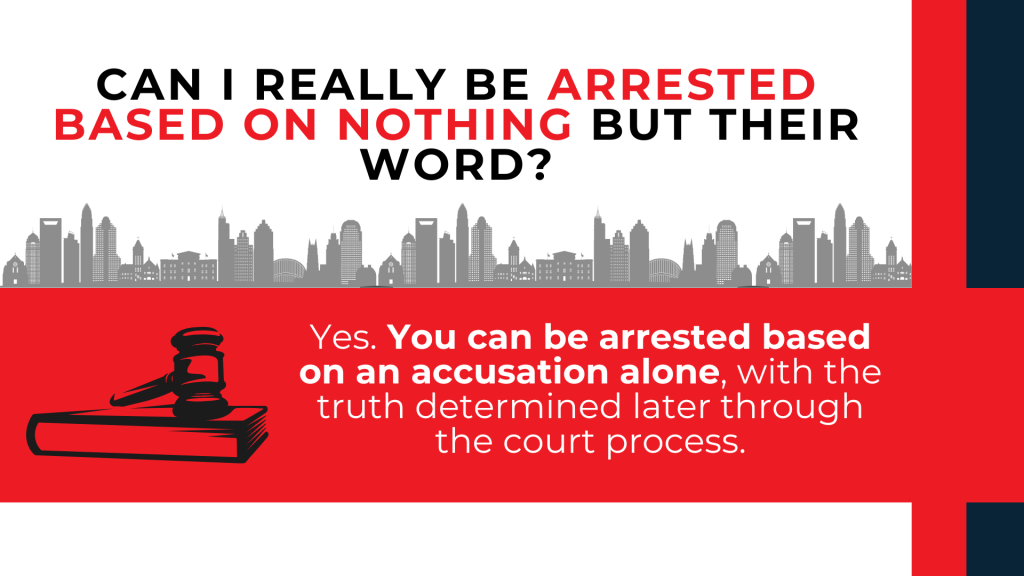
Can I Really Be Arrested Based on Nothing but Their Word?
The short answer is that the system is designed to act first and sort out the truth later. North Carolina’s domestic violence procedures — the 48-hour pretrial hold, the ex parte protective order process, the special release conditions — all operate up front, before you have any meaningful opportunity to respond. The question of whether the accusation is true gets resolved in court, with evidence, in front of a judge or jury. But the arrest, the booking, and the initial restrictions on your freedom happen first.
That reality is difficult to accept, especially when you know the accusation is false. But understanding it is the first step toward responding effectively rather than reactively.
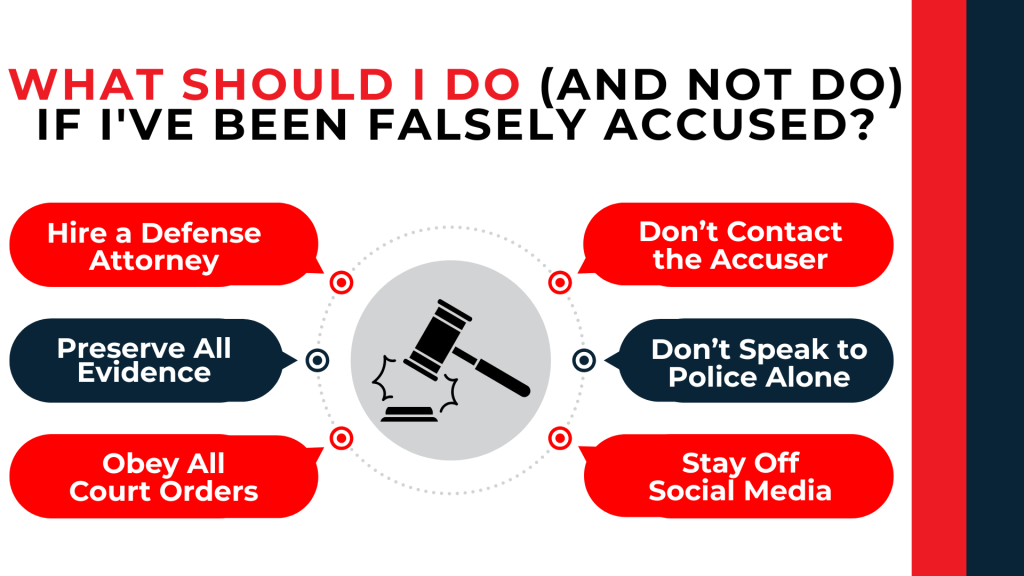
What Should I Do (and Not Do) If I’ve Been Falsely Accused?
The gap between people who successfully defend against false accusations and people who don’t is almost always about what they did in the first days after the accusation — before the legal process had a chance to work.
Get an attorney immediately. Not after you’ve talked to the police. Not after you’ve tried to sort things out with the accuser. Before either of those things. A defense attorney can intervene at the pretrial stage, advise you on protective order hearings, and begin building your defense while the evidence is fresh.
Preserve everything. Text messages, voicemails, emails, social media messages, call logs, photographs, receipts, GPS data, security camera footage — anything that documents your whereabouts, the accuser’s statements or behavior, or the timeline of events. Digital evidence disappears. Preserve it now, before it’s deleted or overwritten.
Comply with every court order completely. If a no-contact order or protective order has been issued, follow it to the letter. Even if you believe the order is unjust. Compliance is not an admission that the accusation is true. It is what keeps you from catching a second criminal charge while you fight the first one.
Do not contact the accuser. Not to explain. Not to apologize. Not to ask them to drop the charges. Any contact can be used against you. And if a no-contact order is in place, any contact is a separate crime under N.C. Gen. Stat. § 50B-4.1.
Do not talk to law enforcement without your attorney present. You will not talk your way out of this at the police station. Anything you say — including statements you believe are helpful to your defense — becomes evidence the prosecution controls.
Do not post about the situation on social media. Not vaguely. Not specifically. Not to your close friends list. Prosecutors and opposing counsel check social media. Posts made in frustration have a way of being turned into evidence of anger, instability, or consciousness of guilt.
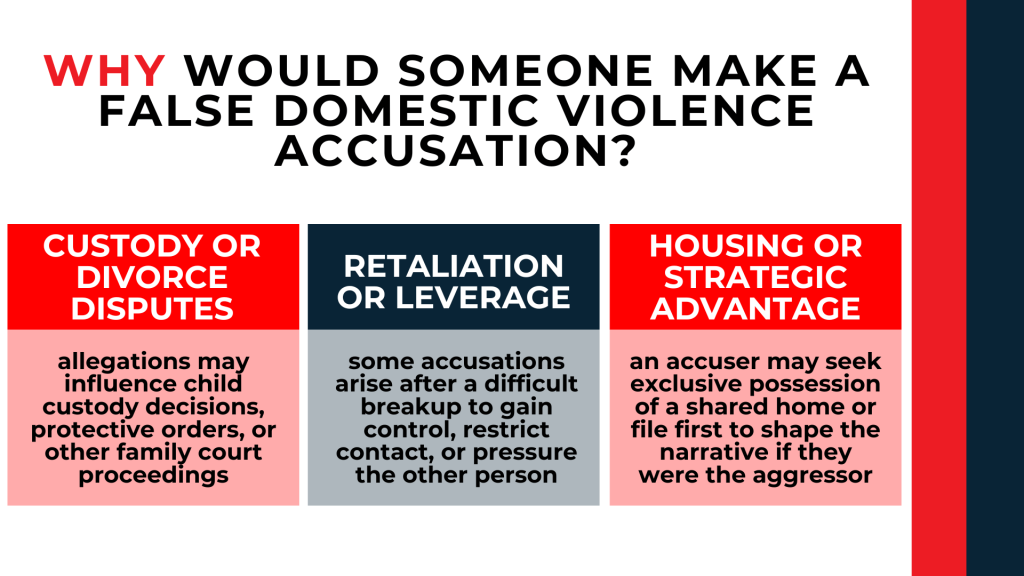
Why Would Someone Make a False Domestic Violence Accusation?
Defense attorneys who handle these cases see the same patterns repeatedly, and understanding those patterns is part of how a defense is built.
What if the accusation is really about custody or divorce? A domestic violence accusation — and especially a protective order — can shift the balance in a custody dispute overnight. Under N.C. Gen. Stat. § 50-13.2(a), courts are required to consider acts of domestic violence as a factor in the best-interest determination for child custody. An accusation, even an unproven one, introduces that consideration into the case and can restrict your access to your children while the matter is pending.
Retaliation after a breakup. When a relationship ends badly, a false accusation can serve as a way to maintain control. It can remove you from a shared home, trigger a no-contact order that cuts off communication, and create legal consequences that put you on the defensive.
Gaining sole possession of a shared residence. An ex parte protective order can require you to leave a shared home immediately — before any hearing on the merits. For someone who wants the other person out, an accusation is the fastest route.
What if the accuser was actually the aggressor? In some cases, the accuser is the person who was actually aggressive. They file first to control the story before you have a chance to report what really happened.
None of this means every domestic violence accusation is false. It means these motives exist, defense attorneys know how to identify them, and evidence of motive is relevant to your defense.
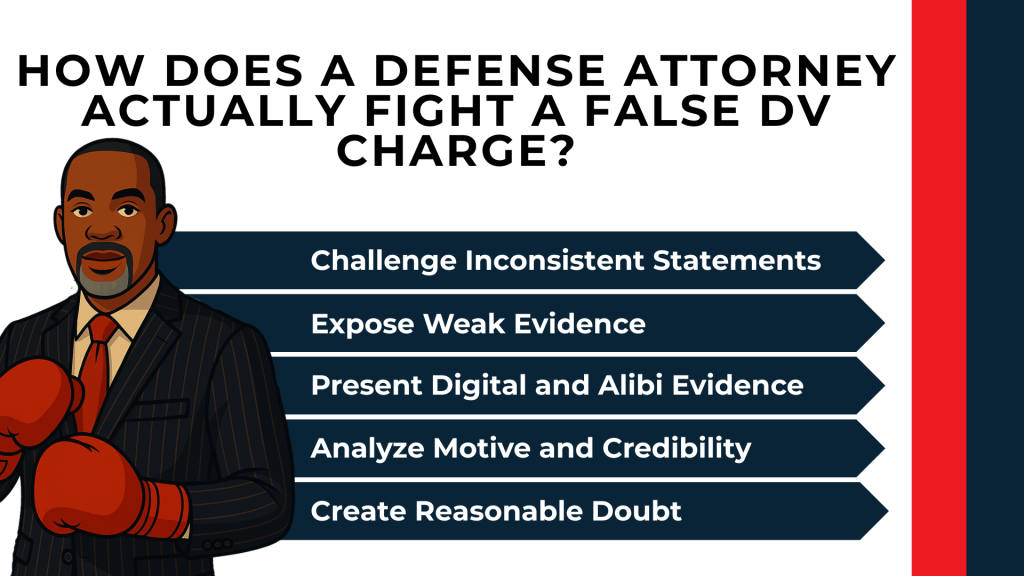
How Does a Defense Attorney Actually Fight a False DV Charge?
The prosecution bears the burden of proving every element of the charge beyond a reasonable doubt. “Their word against yours” is not a legal standard — it is a starting point that thorough defense work can dismantle. Here’s what that work looks like.
Inconsistencies in the accuser’s account. A false accusation has to be fabricated, and fabricated stories change. The initial 911 call, the statement to responding officers, the written statement at the magistrate’s office, the testimony at the protective order hearing, and the testimony at trial are all separate opportunities for the accuser’s story to shift. A defense attorney obtains and compares each version, identifying contradictions in the sequence of events, the description of the alleged assault, the location of alleged injuries, and the timeline.
Absence of physical evidence. If the accusation describes an assault that should have produced injuries, marks, or damage to the scene — and none exists — that gap is evidence. Photographs taken at the time of the arrest, body camera footage from responding officers, and medical records (or the absence of medical treatment) all help show whether the alleged assault actually occurred.
Digital evidence. Text messages and social media communications from the accuser — before and after the alleged incident — are often the most powerful evidence in false accusation cases. Messages that are friendly, romantic, or routine in tone minutes or hours after the alleged assault undermine the accusation. Messages that reveal a motive — threats to “ruin” you, discussions of custody strategy, statements to friends about the plan — can be devastating to the prosecution’s case.
What if the timeline proves I wasn’t there? Cell phone location data, GPS records, security camera footage, credit card transactions, and witness testimony can establish where both parties were at the time of the alleged offense. When the timeline doesn’t support the accusation, the case weakens significantly.
Witness testimony. A defense attorney will identify and interview several types of witnesses. That includes people who were present during or immediately after the alleged incident, people who observed the accuser’s demeanor or heard the accuser’s statements, and people who can speak to the accuser’s motive or pattern of behavior.
911 call analysis. The 911 recording — tone, specific language, what the caller does and does not say, background noise — is often the first and least rehearsed version of the accusation. It can reveal whether the call sounds like a genuine report of violence or a performance designed to create a record.
The point is not that any single piece of evidence wins the case. It’s that false accusations, by definition, are not supported by reality — and a thorough investigation can expose the gaps between the accusation and what actually happened.
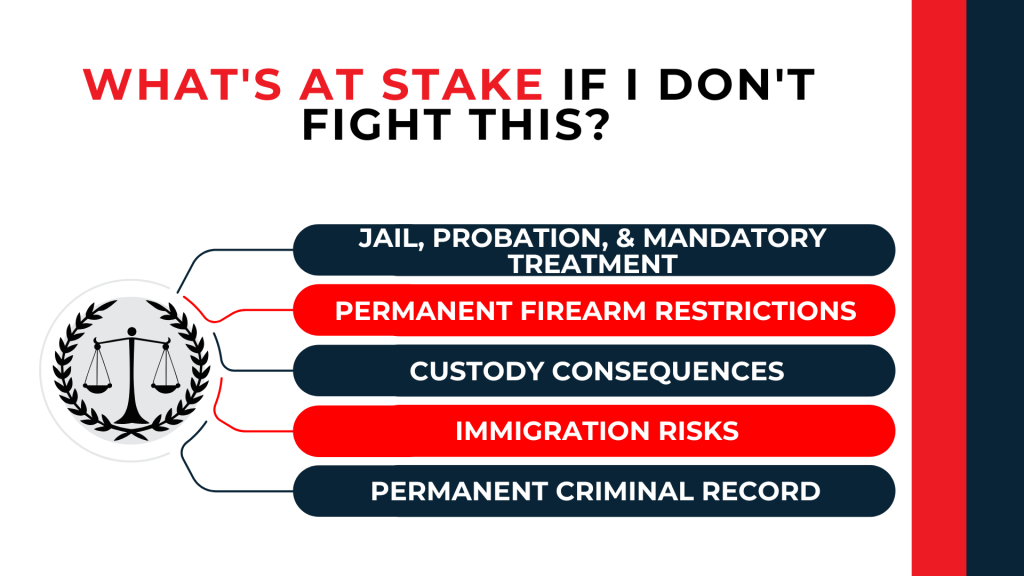
What’s at Stake If I Don’t Fight This?
A Class A1 misdemeanor is the most common DV charge class. The direct sentencing range for a conviction is 1 to 60 days with no prior convictions, up to 1 to 150 days with five or more priors. Most misdemeanor DV defendants in North Carolina receive community punishment rather than active jail time. Statewide, 68% of misdemeanor sentences in FY2024 resulted in community (probation) punishment.
But the jail time is not the real threat. The collateral consequences of a domestic violence conviction extend far beyond the sentence and, in some cases, are permanent.
Federal firearms ban. A conviction under N.C. Gen. Stat. § 14-32.5 — the misdemeanor crime of domestic violence statute — triggers a generally permanent ban on possessing firearms or ammunition under 18 U.S.C. § 922(g)(9). Separately, being subject to a qualifying DVPO that includes a credible-threat finding triggers a firearms ban under 18 U.S.C. § 922(g)(8) for as long as the order remains in effect. If you own firearms, hunt, or work in any field that requires you to carry a weapon, this consequence alone can reshape your life.
Custody. Under N.C. Gen. Stat. § 50-13.2(a), courts must consider acts of domestic violence and the safety of the child and parties as factors in the best-interest determination for custody. The court must support this determination with written findings of fact. A DV conviction — or even a DVPO — introduces this factor into any current or future custody proceeding and can be used to justify restricted visitation or supervised contact.
Immigration consequences. For non-citizens, a domestic violence conviction can trigger deportability under INA § 237(a)(2)(E). The protective-order-violation ground under that same section requires no conviction at all. A judicial finding of a protective order violation is enough to make a non-citizen removable.
Will I have to complete an abuser-treatment program? Under N.C. Gen. Stat. § 15A-1343(b)(12), a defendant found responsible for acts of domestic violence must complete an approved abuser-treatment program as a condition of probation. The only exception is if the court specifically finds it not in the interests of justice. These are not anger management classes — approved programs require 39 hours of group treatment completed over 26 to 30 weeks.
A criminal record. A domestic violence conviction creates a criminal record that appears on background checks. An attorney can explain how this may affect your specific situation.
Every one of these consequences attaches to a conviction. Some attach to a protective order alone, without any conviction at all. Fighting the charge is not optional when these are the stakes.
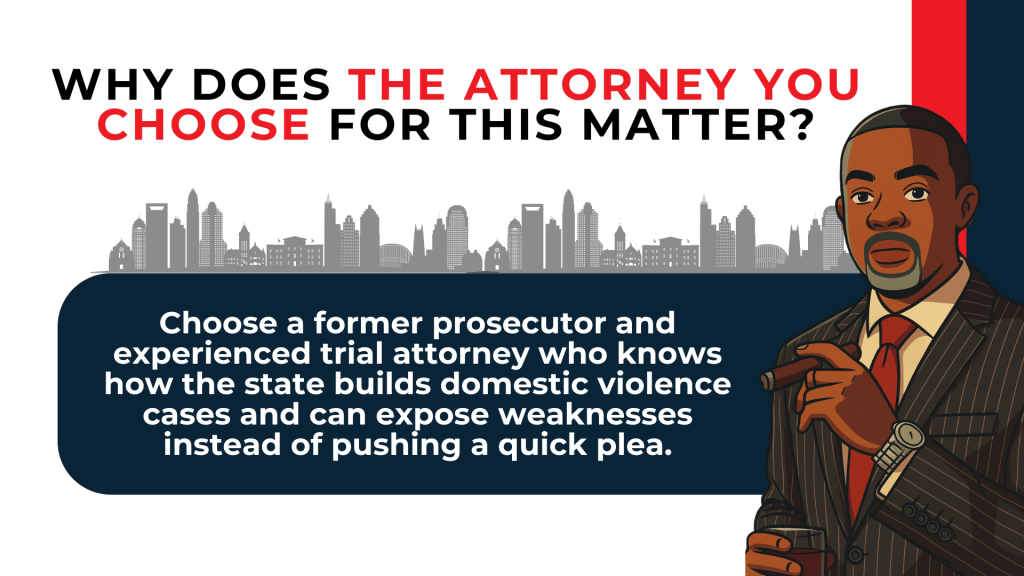
Why Does the Attorney You Choose for This Matter?
False domestic violence accusations require a specific kind of defense. The attorney needs to understand how prosecutors evaluate and build DV cases — what evidence they rely on, what weaknesses they overlook, and what leverage exists at each stage of the process. The attorney also needs to be willing to investigate the accuser’s credibility and motive aggressively. That means not defaulting to plea negotiation simply because these cases are treated as routine by the system.
North Carolina resolved roughly 98% of felony convictions through guilty pleas in FY2024 — only 498 of 26,577 went to a jury. That statistic reflects a system where most cases are resolved through negotiation. The threat of a real trial — prepared by an attorney who actually tries cases — is one of the most powerful tools in your defense.
Patrick Roberts is a Raleigh criminal defense attorney and former Assistant District Attorney in Wake, Johnston, and New Hanover counties. That prosecutorial background means he understands how the state builds domestic violence cases from the inside — what they look for, what they assume, and where the case is vulnerable. Attorney Patrick Roberts is a graduate of Gerry Spence’s Trial Lawyers College and the National Criminal Defense College Trial Practice Institute, has handled thousands of criminal cases across North Carolina, and has been named among the Top 100 Trial Lawyers by The National Trial Lawyers.
Client Review
“Have you ever found yourself in a situation and didn’t know who to turn to? That was us when our young adult got into legal trouble for the first time in his life. As parents, we were overwhelmed and scared. We prayed for an experienced criminal defense attorney who would be honest, direct, yet compassionate — and God led us to Patrick Roberts, Esquire. We couldn’t have asked for better representation! Attorney Roberts is well-versed in the law and the Wake County Court System. He’s candid and doesn’t sugarcoat things — which was exactly what we needed. His years of experience exuded a strong sense of confidence. From day one, it was clear that he’s deeply committed to advocating for his clients, no matter how tough the situation. He’s a man of his word and asked us to trust his process.” – Verified client review via Avvo.com
Peer Endorsement
“His experience as a former prosecutor is invaluable to any client seeking an attorney who knows the ropes. His honesty, integrity, and straightforwardness are qualities every client should seek in an attorney. I would, without hesitation, strongly recommend Mr. Roberts to anyone seeking an outstanding criminal defense lawyer.” – Verified peer endorsement via Avvo.com
Disclaimer: Testimonials and peer reviews are actual comments from clients and peers. They are for informational purposes only and do not guarantee or predict the outcome of your legal matter. Every case is unique and must be evaluated on its own merits.
Case Review
Attorney Roberts’ client was placed under active law enforcement investigation following severe domestic violence allegations made by his spouse. The specific accusation involved non-consensual sexual assault, an offense that carries significant felony penalties and long-term legal consequences in North Carolina.
Defense Strategy & Evidentiary Discovery
Attorney Patrick Roberts and the defense team initiated an independent investigation to assess the credibility and context of the allegations. During this phase, the defense gathered evidence establishing a clear alternative motive for the accuser’s report. Specifically, documentation and contextual facts revealed that the spouse was facing potential deportation and sought to leverage the allegations to alter her immigration status (potentially via legal avenues reserved for victims of crimes, such as a U-visa or VAWA petition).
Resolution
By presenting this evidence of an ulterior motive directly to the prosecution prior to formal indictments, Attorney Roberts demonstrated substantial credibility issues regarding the state’s complaining witness. Following a single strategic meeting with the prosecuting agency, the defense successfully* convinced the State to decline the formal filing of all criminal charges against K.M., terminating the investigation without an arrest or trial.
Result: No charges filed*
View other case results here.
* Disclaimer: Each case is different and must be evaluated separately. Prior results achieved do not guarantee similar results can be achieved in future cases.
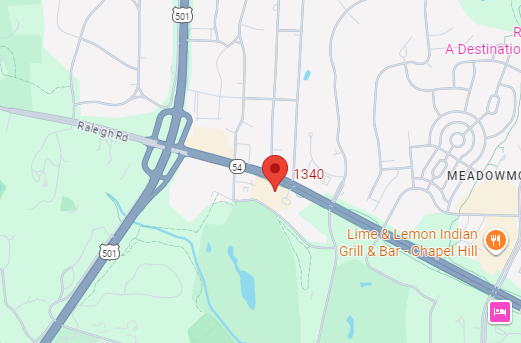
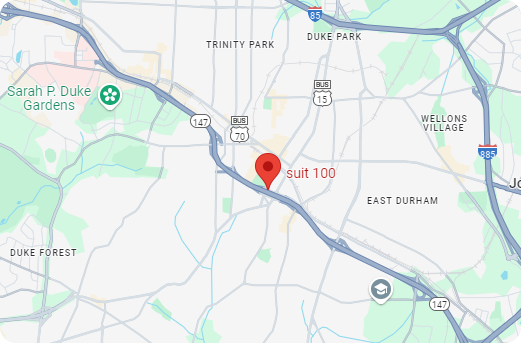
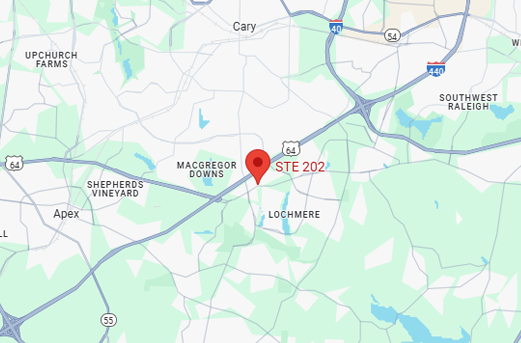
Patrick Roberts serves clients from offices in Raleigh, Durham, Chapel Hill, and Cary. If you’ve been falsely accused of domestic violence, the time to act is now — before the system moves further without your side of the story. He offers comprehensive legal representation across every county in North Carolina for high-stakes cases, maintaining a core geographic focus on Wake County communities like Raleigh, Cary, Apex, Holly Springs, Garner, and Fuquay-Varina.
Contact Patrick Roberts Law to schedule a consultation.
By managing a restricted number of active cases, the firm ensures comprehensive time and resources are dedicated to every matter.
Disclaimer: The information on this website is for general informational purposes only. Nothing herein should be taken as legal advice for any individual case or situation. Contacting us via this website, email, or contact form does not create an attorney-client relationship. Case results depend on a variety of factors unique to each case; prior results do not guarantee a similar outcome.
Former assistant district attorney
Contact Patrick Roberts
Facing criminal charges in North Carolina demands seasoned representation. Trust in the experience and dual perspective of Patrick Roberts. Reach out today for a confidential consultation.
-
Call Our Team
Calls answered 24/7









For more information on the selection criteria, go to www.martindale.com
*Each case is different and must be evaluated separately. Prior results achieved do not guarantee similar results can be achieved in future cases.