Blog / Sex Defense Lawyer

Blog

All Sex Defense Lawyer Criminal Defense Criminal Defense Lawyer Sex Defense Felony Charges Lawyer Drug Charges Murder Charges Rape Case Statutory Rape Charges Drug Crimes & Violations Drug Trafficking Violent Crime Domestic Violence Child Exploitation Charges Indecent Liberties North Carolina Criminal Law Sexual Assault North Carolina Law Fentanyl Crimes indecent liberties with a minor Sex Crimes Sex Crimes Defense Sex Offender Registry Sexual exploitantion of minors Meth Trafficking Age of Consent Aggravated Sexual Assault Artificial Intelligence Child Enticement Charges child grooming Child Rape Constitutional Rights & Warrants Criminal Defense & Travel Law Criminal Justice Criminal Law Cybercrime Defense Data Privacy Digital Evidence Entrapment defense False Accusations Family Law Federal Offenses Indecent Exposure Legal Defense Strategies Legal Resources Legal Updates Possession with intent to sell Sex Crimes & Registry Sex Crimes Defense Strategies Sex Offender Registration Requirements Sex Offender Registry Compliance Sex Offense Defense Sexting Laws solicitation of a child by computer Solicitation of a Minor Charge State vs. Federal Laws Statute of Limitations Statutory Sex Offense
Image of a distraught woman in need of help

Forcible Rape Defense Attorney in Cary, NC

When facing forcible rape charges in Cary, North Carolina, your freedom, reputation, and entire future hang in the balance. These are among the most serious criminal allegations in the North Carolina legal system, carrying severe penalties including lengthy prison sentences and mandatory sex offender registration. Patrick Roberts Law provides aggressive, strategic defense representation for individuals confronting these life-altering accusations in Wake County and throughout the Triangle area. If you or a loved one has been charged with or is under investigation for forcible rape in Cary, immediate legal intervention is critical. Contact 919-746-7206 today or visit our contact page to schedule a free consultation with an experienced criminal defense attorney who understands the gravity of these charges. more Understanding Forcible Rape Charges in North Carolina What Constitutes Forcible Rape Under North Carolina Law? North Carolina law defines forcible rape as engaging in sexual intercourse with another person by force and against their will. Unlike statutory rape cases that focus solely on age, forcible rape charges center on the alleged use of force, threats, or coercion to compel sexual activity. These charges fall under North Carolina General Statute § 14-27.21 and are classified as Class B1 felonies, among the most serious criminal offenses in the state. The prosecution must prove several key elements beyond a reasonable doubt to secure a conviction: Force or Threat of Force: The state must demonstrate that physical force, threats of bodily harm, or other forms of coercion were used. Lack of Consent: Prosecutors must establish that the alleged victim did not consent to the sexual activity. Sexual Intercourse: The charge requires proof that sexual intercourse occurred. Intent: The defendant must have acted with the specific intent to engage in non-consensual sexual activity. Penalties for Forcible Rape Convictions in Cary A forcible rape conviction in North Carolina carries devastating consequences that extend far beyond prison time: Prison Sentences: Class B1 felony convictions can result in 12 years to life imprisonment, with aggravating factors potentially leading to life without parole. Sex Offender Registration: Lifetime registration as a sex offender, severely restricting where you can live, work, and travel. Permanent Criminal Record: A felony conviction that appears on background checks, affecting employment, housing, and educational opportunities. Professional License Loss: Many professional licenses are automatically revoked upon felony sex crime convictions. Civil Consequences: Potential civil lawsuits and financial judgments from alleged victims. How Patrick Roberts Defends Forcible Rape Cases Prosecutorial Background Advantage As a former assistant district attorney in three North Carolina counties, Patrick Roberts brings unique insights into how prosecutors build forcible rape cases. This dual perspective allows him to anticipate prosecution strategies, identify weaknesses in the state's evidence, and develop more effective defense approaches. His prosecutorial experience provides invaluable knowledge of how these cases are investigated, charged, and tried in Wake County courts. Comprehensive Case Investigation Every forcible rape case requires thorough investigation to uncover evidence that supports the defense. Patrick Roberts Law conducts extensive investigations that may include: Evidence Analysis: Scrutinizing physical evidence, DNA analysis, and forensic reports for inconsistencies or procedural errors. Witness Interviews: Identifying and interviewing witnesses who may provide testimony favorable to the defense. Digital Evidence Review: Examining text messages, social media communications, and other electronic evidence that may support consent or contradict allegations. Timeline Reconstruction: Carefully reconstructing events leading up to and following the alleged incident to identify inconsistencies in the prosecution's narrative. Strategic Defense Approaches Defending forcible rape charges requires sophisticated legal strategies tailored to the specific facts of each case. Common defense approaches include: Consent Defense: When appropriate, demonstrating that the alleged victim consented to sexual activity through evidence of prior communications, behavior, or other relevant factors. False Allegation Defense: Investigating potential motives for false accusations, including relationship disputes, custody battles, or other personal conflicts. Identity Challenges: Questioning whether the defendant was correctly identified as the perpetrator, particularly in cases involving strangers or limited lighting conditions. Constitutional Violations: Challenging improperly obtained evidence, including violations of Fourth Amendment search and seizure protections or Fifth Amendment rights against self-incrimination. The Critical Importance of Early Legal Intervention Protecting Your Rights During Investigation Forcible rape investigations often begin long before formal charges are filed. Law enforcement may attempt to interview suspects, conduct searches, or gather evidence that could be used against you. Having experienced legal representation from the earliest stages of an investigation is crucial for protecting your constitutional rights. Exercise Your Right to Remain Silent: Never speak to law enforcement about rape allegations without an attorney present. Even statements intended to explain or clarify can be misinterpreted and used against you. Prevent Unlawful Searches: Police may attempt to search your home, vehicle, or electronic devices without proper warrants. An experienced rape defense lawyer can challenge improper searches and suppress illegally obtained evidence. Preserve Favorable Evidence: Time-sensitive evidence that supports your defense may be lost or destroyed without immediate action. Your attorney can work to preserve text messages, social media posts, surveillance footage, and other evidence that may be crucial to your case. Understanding Carnal Knowledge Laws In some forcible rape cases, prosecutors may also pursue charges related to carnal knowledge, which refers to sexual intercourse or penetration. Understanding the carnal knowledge meaning in legal contexts is important because these charges often accompany rape allegations and carry their own severe penalties. Additionally, cases involving carnal knowledge of a juvenile present unique challenges and require attorneys who understand both adult rape defense and juvenile law complexities. Local Court Experience in Wake County Cary and Wake County Court System Cary residents facing forcible rape charges will typically appear in Wake County Superior Court, located in Raleigh. These cases are among the most seriously prosecuted criminal matters in the county, often receiving significant attention from both prosecutors and the media. Patrick Roberts' extensive experience in Wake County courts provides a deep understanding of local court procedures which is vital for clients facing these charges. Judicial Knowledge: Understanding how different judges handle sex crime cases and what arguments are most effective in specific courtrooms. Professional Reputation: Attorney Patrick Roberts maintains a respected presence in the Wake County legal community. This professional standing ensures open channels of communication with the prosecution, helping to ensure your side of the story is heard and considered. Local Resources: Access to local forensic professionals, investigators, and other resources that may be crucial to building an effective defense. Cary Office Convenience Patrick Roberts Law maintains an office at 543 Keisler Dr, Suite 202, Cary, NC 27518, providing convenient access for clients in the Cary area. This local presence allows for more personal attention and easier coordination of defense strategies with clients and their families during this challenging time. Frequently Asked Questions About Forcible Rape Defense What should I do if I'm arrested for forcible rape in Cary? Immediately invoke your right to remain silent and request an attorney. Contact Patrick Roberts Law at 919-746-7206 for emergency legal representation. Do not make any statements to police without your attorney present. Can forcible rape charges be reduced or dismissed? Yes, with skilled legal representation, charges can sometimes be reduced to lesser offenses or dismissed entirely based on insufficient evidence, constitutional violations, or successful plea negotiations. Each case depends on its specific facts and circumstances. How long do forcible rape cases take to resolve in Wake County? Complex felony cases can take 12-18 months or longer to resolve, depending on the evidence involved, pretrial motions, and court schedules. Early legal intervention can sometimes expedite favorable resolutions. What is the difference between forcible rape and other sex crimes? Forcible rape specifically involves the use of force or threats to compel sexual intercourse. Other sex crimes may involve different types of sexual contact, age-based offenses, or circumstances that don't involve force. Can I be convicted based solely on the alleged victim's testimony? While convictions can occur based primarily on victim testimony, the prosecution must still prove guilt beyond a reasonable doubt. Skilled defense attorneys can challenge credibility, identify inconsistencies, and present alternative explanations for the allegations. Will I have to register as a sex offender if convicted? Yes, forcible rape convictions in North Carolina require lifetime sex offender registration. This makes fighting the charges aggressively from the beginning crucial to avoiding these long-term consequences. How Much Does Forcible Rape Defense Cost in Cary? Legal fees vary based on case complexity and other factors. Patrick Roberts Law offers free consultations to discuss your case and explain fee structures. The cost of quality legal representation is often far less than the long-term consequences of a conviction. Can these charges affect my immigration status? Yes, felony sex crime convictions can have severe immigration consequences, including deportation for non-citizens. It's crucial to work with an attorney who understands both criminal and immigration law implications. Why Choose Patrick Roberts Law for Your Defense Proven Track Record* in Serious Cases Patrick Roberts has successfully defended* clients against the most serious criminal charges in North Carolina, including cases where clients faced potential life sentences. His case results demonstrate the importance of skilled legal representation in achieving favorable outcomes even in seemingly impossible situations. *Each case is different and must be evaluated separately. Prior results achieved do not guarantee similar results can be achieved in future cases. Comprehensive Defense Strategy From the initial investigation through trial if necessary, Patrick Roberts Law provides a multi-phased defense strategy from the initial investigation through trial. This includes working with forensic professionals, conducting independent investigations, and developing a strategic defense designed to expose weaknesses in the State's evidence. Personalized Attention Every client receives direct access to Patrick Roberts and personalized attention throughout their case. We understand the stress and uncertainty you're facing and provide clear communication about your options and case progress. Elite Professional Recognition Patrick Roberts' credentials include graduation from Duke Law School, AV Preeminent peer review rating,* Super Lawyers recognition, and the Platinum Client Champion award. These accolades reflect his commitment to high quality legal representation and client service. *For more information on the selection criteria for Super Lawyers, AV Preeminent, and other awards listed, please see the Accolades section of the website or visit the respective awarding organization’s website. Speak to a Statutory Rape Attorney Today Don't let forcible rape charges define your future. The sooner you contact Patrick Roberts Law, the sooner we can begin protecting your rights and building your defense. Our combination of prosecutorial insight, defense experience, and local knowledge provides a comprehensive foundation for pursuing the most favorable outcome possible in your case.* *Each case is different and must be evaluated separately. Prior results achieved do not guarantee similar results can be achieved in future cases. Contact 919-746-7206 now or visit our contact page to schedule your free consultation. For additional information about our practice areas, visit our comprehensive legal services page. Patrick Roberts Law is ready to fight for your rights, your freedom, and your future. Disclaimer: The information on this website is for general information purposes only. Nothing on this site should be taken as legal advice for any individual case or situation. Case results depend upon a variety of factors unique to each case. Prior results do not guarantee a similar outcome.
Gavel and law books background with title introducing statutory rape vs rape law in Cary, NC.

Statutory Rape vs Rape in Cary, North Carolina

When facing allegations involving sexual offenses in Cary, North Carolina, understanding the precise legal distinctions between different charges can mean the difference between decades behind bars and a viable defense strategy. The terms "rape" and "statutory rape" carry fundamentally different legal meanings under North Carolina law, despite both falling under serious felony classifications. For residents of Cary—a community where violent crime occurs at exceptionally low rates compared to national averages—accusations of sexual offenses carry particularly severe social and legal consequences. The Wake County District Attorney's Office prosecutes these cases aggressively, and the Cary Police Department's Special Victims Unit conducts thorough investigations that often involve multi-agency coordination. more What Is the Fundamental Difference Between Rape and Statutory Rape? The core distinction centers on consent and the use of force. Rape involves sexual intercourse accomplished through force and against the will of another person. Under North Carolina General Statutes Article 7B, forcible rape requires the prosecution to prove that the defendant engaged in vaginal intercourse by force and without the victim's consent. Statutory rape, by contrast, does not require proof of force or lack of consent. Instead, it criminalizes sexual intercourse based solely on the age of the participants, regardless of whether the younger person agreed to the sexual activity. North Carolina law establishes specific age thresholds that make certain sexual conduct illegal even when all parties believed the encounter was consensual. This age-based prohibition reflects the legal principle that minors below certain ages cannot legally consent to sexual activity, regardless of their actual willingness or the circumstances surrounding the encounter. How Does North Carolina Define First-Degree Forcible Rape? First-degree forcible rape represents the most serious rape charge under North Carolina law. According to N.C. Gen. Stat. § 14-27.21, a person commits this Class B1 felony when they engage in vaginal intercourse with another person by force and against that person's will, combined with any of the following aggravating factors: Use or display of a dangerous weapon - The defendant uses, threatens to use, or displays a weapon that the victim reasonably believes could cause serious harm Infliction of serious personal injury - The defendant causes significant physical injury to the victim or another person during the commission of the offense Aid from accomplices - The defendant commits the rape with the assistance of one or more other people Cases handled in Wake County courts often involve detailed forensic evidence, witness testimony, and electronic communications. For professionals working in the Research Triangle Park area or residents of Cary's tech-oriented community, digital evidence including text messages, social media interactions, and location data frequently becomes central to both prosecution and defense strategies. Attorney Patrick Roberts brings critical insight to these cases through his experience prosecuting sex crimes. This background allows him to anticipate how the state builds forcible rape cases and identify weaknesses in the prosecution's theory before charges proceed to trial. What Constitutes Second-Degree Forcible Rape in North Carolina? Second-degree forcible rape, defined in N.C. Gen. Stat. § 14-27.22, applies when a person engages in vaginal intercourse with another person under either of two circumstances: Force and lack of consent scenario: The defendant uses force to accomplish intercourse The sexual act occurs against the will of the other person Incapacity scenario: The victim has a mental disability, is mentally incapacitated, or is physically helpless The defendant knows or should reasonably know about the victim's condition This Class C felony charge frequently arises in situations involving: Alcohol or drug intoxication that renders a person incapable of consenting Unconsciousness at the time of the sexual encounter Mental disabilities that affect a person's ability to understand or resist sexual activity Physical conditions that prevent someone from communicating unwillingness to participate In Cary's highly educated community, cases sometimes involve complex questions about what a defendant "should reasonably know" regarding another person's level of intoxication or capacity to consent. These factual disputes often require careful examination of witness testimony, video footage from local establishments, and expert testimony regarding impairment levels. How Is Statutory Rape of a Child by an Adult Different? N.C. Gen. Stat. § 14-27.23 creates an exceptionally severe offense when an adult engages in sexual activity with a young child. Under this statute, a person commits statutory rape of a child by an adult when: The defendant is at least 18 years of age The defendant engages in vaginal intercourse with a victim The victim is under 13 years of age This Class B1 felony carries mandatory minimum active punishment, and conviction subjects the defendant to satellite-based monitoring for life following release. The statute contains provisions allowing courts to impose sentences beyond standard guidelines—up to and including life without parole—when the circumstances involve extraordinary brutality, duration, or harm to the victim. The Cary Police Department's participation in multi-agency task forces means that investigations into allegations involving young children often draw resources from state and federal law enforcement. For defendants facing these charges, the stakes could not be higher, and early intervention by experienced defense counsel becomes essential. What Are the Age-Based Distinctions in Statutory Rape Cases? North Carolina's statutory rape laws establish multiple offense levels based on the ages of both parties and the age difference between them. First-degree statutory rape (N.C. Gen. Stat. § 14-27.24): Victim is under 13 years old Defendant is at least 12 years old Defendant is at least four years older than the victim Class B1 felony Statutory rape of person 15 or younger (N.C. Gen. Stat. § 14-27.25): This statute creates two levels of offenses: Class B1 felony level: Victim is 15 years old or younger Defendant is at least 12 years old Defendant is at least six years older than the victim Marriage exception applies Class C felony level: Victim is 15 years old or younger Defendant is at least 12 years old Defendant is more than four but less than six years older than the victim Marriage exception applies These age-based distinctions mean that the specific birthdays of both parties become critical facts in any statutory rape case. In Cary's diverse community, which includes significant immigrant populations representing over 60 different nationalities, cultural misunderstandings about age-of-consent laws sometimes contribute to charges that may not reflect criminal intent. Can a Defendant Be Charged With Both Rape and Statutory Rape? Yes. North Carolina law allows prosecutors to charge a defendant with multiple offenses arising from the same sexual encounter when the evidence supports distinct legal violations. For example, if an adult uses force to have intercourse with a 14-year-old victim, the Wake County District Attorney's Office could potentially pursue charges for: Second-degree forcible rape (based on force and lack of consent) First-degree statutory rape (based on the victim's age and the age difference) The prosecutor might proceed this way to: Provide the jury with alternative theories for conviction Ensure that a conviction occurs even if the state cannot prove every element of the more serious charge Strengthen their negotiating position in plea discussions From a defense perspective, facing multiple charges requires strategic decisions about which allegations to contest most vigorously and whether any charges contain legal deficiencies that warrant pre-trial dismissal motions. What Does "Against the Will" Mean in Forcible Rape Cases? Under N.C. Gen. Stat. § 14-27.20, the phrase "against the will of the other person" carries specific legal meaning. The statute defines this element as occurring when either: No consent exists - The other person did not agree to the sexual activity Consent was revoked - The other person initially agreed but withdrew consent in a manner that would cause a reasonable person to recognize the revocation This definition means that consent can be withdrawn during sexual activity. If a reasonable person in the defendant's position would understand that the other party has revoked consent, continuing the sexual encounter after that point constitutes acting "against the will" of that person. Disputes about consent frequently involve: Conflicting accounts of what was said or not said during the encounter Questions about whether certain conduct or statements constituted clear revocation of consent Evidence of the defendant's state of mind and awareness at the time Text messages or other communications before or after the alleged offense Cases in Wake County courts increasingly involve forensic analysis of cell phone records, social media messages, and other electronic evidence that may shed light on the issue of consent. How Do "Mentally Incapacitated" and "Physically Helpless" Affect Rape Charges? North Carolina's rape statutes specifically address situations where a victim cannot consent due to their physical or mental condition. Mentally incapacitated means a victim who, due to any act, becomes substantially incapable of either: Appraising the nature of their conduct, or Resisting the act of vaginal intercourse Common scenarios include: Alcohol intoxication rendering someone unable to understand what is happening Administration of drugs (whether voluntary or involuntary) that impair cognitive function Effects of anesthetic or sedative medications Physically helpless includes situations where a victim is: Unconscious Physically unable to resist intercourse or communicate unwillingness to submit For second-degree forcible rape charges based on incapacity, the prosecution must prove that the defendant knew or should reasonably have known about the victim's incapacitated or helpless condition. This "knew or should have known" standard creates a critical defense point in many cases. In Cary's community—where social gatherings at local venues, downtown establishments, and private residences are common—allegations sometimes arise from situations involving voluntary alcohol consumption by both parties. Attorney Patrick Roberts' prosecutorial experience with sex crimes provides valuable perspective on how the state attempts to prove the defendant's knowledge of the victim's level of impairment. What Role Does Age Play When Both Parties Are Minors? North Carolina's statutory rape laws acknowledge that sexual conduct between minors requires different treatment than adult-child sexual contact. The statutes incorporate age-difference requirements that prevent criminalization of sexual activity between similarly aged adolescents. Key protections include: Close-in-age considerations: For victims under 13, the defendant must be at least 12 years old and at least four years older For victims 15 or younger, different felony classes apply based on whether the age gap is more or less than six years Defendants less than 12 years old fall outside the statutory framework Practical implications: Sexual activity between two 15-year-olds typically does not violate statutory rape laws An 18-year-old having intercourse with a 14-year-old could face Class C felony charges A 19-year-old having intercourse with a 13-year-old faces Class B1 felony charges These distinctions matter tremendously in Cary's community, where multiple high schools serve the area and social interactions between teenagers of various ages occur at school events, sports activities, and community gatherings. Cases involving adolescents attending Cary High School, Green Hope High School, or other local schools require sensitive handling that considers both legal requirements and the developmental realities of teenage relationships. Are There Defenses Available to Statutory Rape Charges? Statutory rape presents unique defense challenges because consent is not a defense to age-based charges. However, several potential defenses may apply depending on the specific circumstances: Factual defenses: Identity challenges (defendant was not the person who committed the act) False accusations motivated by family conflicts, custody disputes, or other external factors Legal defenses: Age difference does not meet the statutory requirements for the charged offense Defendant's age falls outside the applicable range Marriage exception applies (for certain statutory rape offenses) Constitutional challenges: Selective prosecution based on discriminatory factors Violations of due process in the investigation or charging decisions For residents of Cary working in high-tech industries—where logical analysis and attention to detail are professional necessities—the inability to raise a "reasonable mistake" defense to statutory rape charges often seems counterintuitive. Nevertheless, North Carolina courts have consistently held that statutory rape laws do not require proof that the defendant knew the victim's age or that the defendant intended to violate the law. This strict liability aspect makes early consultation with experienced defense counsel crucial. Attorney Patrick Roberts understands how prosecutors evaluate statutory rape cases and can identify whether the state's evidence actually supports the age-related elements of the charged offense. How Does the Cary Police Department Investigate Sex Crime Allegations? The Cary Police Department maintains a specialized approach to investigating allegations of rape and statutory rape. The department's Special Victims Unit handles follow-up investigations for sex crimes, providing victims with dedicated investigators who understand the sensitive nature of these cases. Investigation components typically include: Initial patrol officer response and evidence preservation Transfer of the case to Special Victims Unit detectives Forensic evidence collection through sexual assault nurse examiners Detailed interviews with the complainant, witnesses, and the accused (if accessible) Electronic evidence analysis of phones, computers, and social media accounts Coordination with the Wake County District Attorney's Office regarding charges Cary's reputation as one of the safest communities in the nation—ranking among the top three safest cities nationally—means that violent crime investigations receive substantial resources and attention. When sexual assault allegations arise in a community where such crimes occur rarely, the investigation often proceeds with heightened urgency. For individuals accused of rape or statutory rape, understanding that declining to provide statements to law enforcement is a constitutional right becomes essential. The investigative process often moves forward based primarily on the complainant's allegations, and providing statements without legal counsel present can severely undermine future defense options. Why Does Prior Prosecution Experience Matter in Sex Crime Defense? Attorney Patrick Roberts, a former prosecutor with extensive experience prosecuting and defending sex crimes, possesses unique insight into how these cases are prepared and tried in Cary and throughout Wake County. Benefits Include: Understanding prosecution priorities - Knowing which case factors make prosecutors more or less willing to negotiate allows for realistic assessment of options and better strategic planning Anticipating evidence tactics - Recognizing how prosecutors will present forensic evidence, victim testimony, and expert witnesses enables preparation of effective counter-arguments Identifying investigation weaknesses - Spotting procedural shortcuts, evidence gaps, or constitutional violations that may undermine the state's case Navigating the courtroom - Attorney Roberts’ professional reputation for meticulous preparation and integrity facilitates focused and productive negotiations in court proceedings. In communities like Cary—where residents typically have advanced education and work in fields requiring sophisticated problem-solving—clients often appreciate an attorney who can explain the prosecution's likely strategy and develop proactive responses to anticipated arguments. Sex crime allegations carry consequences that extend far beyond potential incarceration. Convictions result in sex offender registration, employment barriers, housing restrictions, and profound damage to personal and professional reputations. The stakes demand legal representation from someone who understands both sides of the courtroom and can navigate the complexities of these cases effectively. If you or someone you know faces allegations of rape or statutory rape in Cary, Wake County, or anywhere in North Carolina, taking immediate action to protect your rights is important. Attorney Patrick Roberts combines his prosecutorial background in sex crimes with dedicated criminal defense advocacy to provide clients with sophisticated, strategic representation during the most difficult time of their lives. Contact Patrick Roberts Law today to discuss your case in a confidential consultation and learn how experienced legal counsel may make a difference in the outcome* of your case. *Disclaimer: Each case is different and must be evaluated separately. Prior results achieved do not guarantee similar results can be achieved in future cases.

 A judge in a suit holds a book and pen, with a gavel on the table, symbolizing legal authority. The visual focuses on North Carolina laws regarding indecent liberties with a child by a custodian.

Indecent Liberties with Child by Custodian in NC

What Are Custodial Indecent Liberties Under North Carolina Law? North Carolina takes crimes against children very seriously, especially when committed by someone trusted to care for them. When someone responsible for a child's care takes "indecent liberties" with that child, they face harsh penalties. This offense—which can be understood as indecent liberties with a child by a custodian—is seen as a serious breach of trust under North Carolina law. more What Counts as "Indecent Liberties with Child by Custodian"? Under North Carolina General Statute § 14-202.1 ("Taking indecent liberties with children"), taking indecent liberties with children happens when: A person 16 years or older (and at least five years older than the child): Deliberately takes or tries to take improper or indecent actions with a child under 16 for sexual pleasure (G.S. § 14-202.1(a)(1)) Deliberately commits or tries to commit any lewd act on a child under 16 (G.S. § 14-202.1(a)(2)) While the law doesn't specifically use the word "custodian" in its title, when the offender is someone responsible for the child's care, this makes the crime even more serious. Who Might Be Considered a “Custodian” In these cases, a "custodian" can be: Parents, legal guardians, or family members who care for the child Foster parents or temporary guardians Childcare workers and babysitters Teachers, coaches, and school staff (covered specifically in G.S. § 14-202.4, "Taking indecent liberties with a student") Counselors or medical professionals who work with children Anyone trusted with caring for or supervising a child How Does Being a Custodian Make These Cases More Serious When indecent liberties are taken by someone caring for a child, it affects the case in several ways: 1. Breach of Trust Makes the Crime Worse Under G.S. § 15A-1340.16(d)(15) ("Aggravated and mitigated sentences"), "taking advantage of a position of trust" is listed as an aggravating factor that can lead to a harsher sentence. This can push the punishment beyond what's normally given for this type of felony. 2. Special Rules for School Staff G.S. § 14-202.4 ("Taking indecent liberties with a student") specifically addresses school employees who take indecent liberties with students: This law recognizes the special relationship between teachers and students (G.S. § 14-202.4(a)) It clearly states that consent is not a valid defense (G.S. § 14-202.4(c)) The law applies even after the teacher and student were at school together This offense is classified as a Class G felony 3. Other Factors When the Offender is a Caretaker When the person who commits the crime is a custodian: Prosecutors may point out that the child had less chance to escape or report the abuse The emotional harm to the child may be worse because of the broken trust The court may consider the caretaker relationship when deciding on bail and other matters under "Aggravated and mitigated sentences" (G.S. § 15A-1340.16) What Are the Legal Penalties for Indecent Liberties by a Custodian? The consequences for taking indecent liberties with a child as a custodian are severe: Basic offense: Class F felony under "Taking indecent liberties with children" (G.S. § 14-202.1(b)) If the custodian is school staff: Class G felony under "Taking indecent liberties with a student" (G.S. § 14-202.4(a)) When the position of trust is factored in as an aggravating factor, the sentence can be increased (G.S. § 15A-1340.16(b)) Required sex offender registration Possible ban from working with children in the future Potential civil lawsuits Possible prison time What Legal Defenses Are Available in These Cases? Those accused of indecent liberties with a child as a custodian might have several possible defenses: Providing evidence that the claimed actions didn't happen Showing that any actions weren't sexual in nature Presenting mitigating factors that might reduce the sentence under G.S. § 15A-1340.16(e) However, it's important to know that G.S. § 14-202.4(c) clearly states that consent is not a defense for "Taking indecent liberties with a student." Why Do You Need an Experienced Lawyer? If you're facing charges of indecent liberties with a child as a custodian in North Carolina, the stakes are extremely high. These cases involve complicated legal issues and can change your life forever. An experienced North Carolina criminal defense lawyer who specializes in sex crimes can: Review your specific situation Find possible legal defenses Help you through the complex court process Argue for mitigating factors that might reduce your sentence under G.S. § 15A-1340.16(e) Work toward the best possible outcome for your case How Is Fair Treatment of the Accused Ensured? North Carolina's laws about indecent liberties with a child by a custodian show the state's dedication to protecting vulnerable children from those who might misuse positions of trust. At the same time, these cases require careful attention to fair process to ensure that accusations are properly investigated and judged fairly. Understanding the specific legal details of these cases is essential for anyone involved, whether as a defendant, family member, or concerned community member. If you or a loved one are facing a charge for indecent liberties with a minor, you deserve a legal advocate with the experience and dedication to secure the best possible outcome. Attorney Patrick Roberts of Patrick Roberts Law has successfully defended numerous clients facing the most serious sex crimes. Contact our firm today for a confidential consultation.

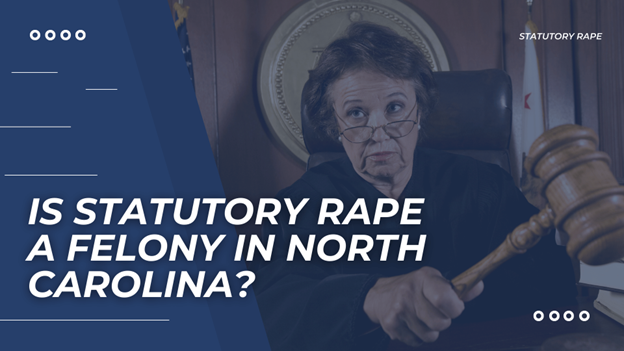
Cover image featuring a judge holding a gavel with the title: "Is Statutory Rape a Felony in North Carolina?" in bold text

Is Statutory Rape a Felony in North Carolina?

What Are North Carolina's Statutory Rape Laws? In North Carolina, statutory rape is classified as a felony. This means it's a serious crime that comes with harsh punishments. North Carolina takes sexual offenses involving minors very seriously, and the law reflects this by making all statutory rape charges felonies, not misdemeanors. How serious your charge will be mostly depends on the age difference between you and the alleged victim. Understanding these differences is important for anyone facing such charges or looking for information about these laws in North Carolina. more How Does North Carolina Define Statutory Rape? Statutory rape in North Carolina means having sexual intercourse with someone who is too young to legally consent, even if they seemed willing. The law says that young people below certain ages cannot legally agree to sexual activity, which makes such encounters criminal. North Carolina's laws (Article 7B) outline several specific statutory rape offenses. Each offense has different elements based mainly on the ages of the people involved. Types of Statutory Rape Felonies in North Carolina Statutory Rape of a Child by an Adult (§ 14-27.23) This is one of the most serious sex crimes in North Carolina. Under this law, a person commits this offense when they are: At least 18 years old And have vaginal intercourse with a child under 13 years old This offense is a Class B1 felony, which is the second most serious felony in North Carolina. It carries a mandatory and lengthy prison sentence. In especially bad cases, a judge might even give a life sentence without parole. These worse cases might involve very young victims, extreme harm to the victim, or unusual cruelty. After prison, people convicted of this crime must register as sex offenders. First-Degree Statutory Rape (§ 14-27.24) This charge applies when: A person has vaginal intercourse with someone under 13 years old The person charged is at least 12 years old And at least four years older than the victim Like the offense above, this is also a Class B1 felony. While it doesn't have the same 25-year minimum sentence, punishments are still very long. Statutory Rape of Person 15 Years or Younger (§ 14-27.25) North Carolina has two levels of charges for cases involving victims who are 15 or younger: Class B1 Felony: When someone at least 12 years old has vaginal intercourse with a person 15 or younger, and they are at least six years older than the victim. This serious felony can mean decades in prison. Class C Felony: When someone at least 12 years old has vaginal intercourse with a person 15 or younger, and they are more than four but less than six years older than the victim. While still serious, this carries somewhat lighter penalties. Both charges don't apply if the two people are legally married. North Carolina does allow some marriages involving minors, though these are becoming less common. What Are the Penalties for Statutory Rape in North Carolina? The consequences of being convicted of statutory rape in North Carolina are severe and long-lasting. Penalties vary based on the specific charge and your criminal history. Class B1 Felony Penalties Class B1 felonies are among the most serious crimes in North Carolina. Consequences include: Potentially many years in prison For statutory rape of a child by an adult, a substantial prison term Possible life imprisonment without parole in the worst cases Required sex offender registration after release, possibly for life Strict limits on where you can live, work, and go Class C Felony Penalties While not as severe as Class B1 felonies, Class C felonies still bring serious penalties: Might result in several years behind bars Required sex offender registration after release Restrictions on where you can live and work Possible supervision after release What Other Consequences Come With Statutory Rape Convictions? Beyond prison and sex offender registration, North Carolina law creates other consequences for those convicted of statutory rape: Parental Rights Impact If a child is conceived because of the offense, North Carolina law says the convicted person: Cannot get custody of that child Cannot inherit from that child Has no say in adoption proceedings for that child Has no parental rights in juvenile court cases Other Life Impacts Beyond legal penalties, a statutory rape conviction typically leads to: Loss of professional licenses Trouble finding jobs Housing limitations Social stigma Damaged relationships Cannot volunteer with children Barriers to education opportunities What Legal Points Should You Know About Statutory Rape Cases? Here are key things to understand about statutory rape charges in North Carolina: Consent Is Not a Defense For statutory rape charges based on age, it doesn't matter if the minor seemed willing or even started the encounter. The law says young people below certain ages cannot legally consent to sexual activity. Marriage Exception Some parts of North Carolina's statutory rape laws don't apply to legally married couples. However, this only works in limited situations where the marriage is legal under North Carolina law. No Spousal Defense for Force or Incapacity While marriage might provide an exception in some cases, North Carolina law (§ 14-27.34) clearly states that a person can be prosecuted even if the victim was their legal spouse when the alleged crime happened. Proof Requirements Under § 14-27.36, prosecutors don't need to prove the emission of semen to establish statutory rape. The offense is complete with proof of penetration, however slight. Defending Against Statutory Rape Charges in North Carolina If you're facing statutory rape charges in North Carolina, the stakes are extremely high. A conviction will change your life forever, potentially resulting in decades in prison and lifetime registration as a sex offender. Because of these serious consequences, getting an experienced lawyer is absolutely necessary. An North Carolina criminal defense attorney who has experience in sex crimes can: Thoroughly investigate the claims Find potential weaknesses in the prosecution's case Check if any procedural errors occurred during the investigation Determine if any evidence was improperly obtained Build the strongest possible defense based on your specific situation Handle complex pre-trial motions and negotiations Represent you effectively at trial if needed What Are Some Common Defense Strategies in Statutory Rape Cases? While consent is not a defense to statutory rape charges in North Carolina, other potential defenses may include: Age-Based Defenses In some cases, a person may have honestly believed the minor was old enough to consent. However, in North Carolina, being mistaken about the victim's age is not a defense, making these cases particularly difficult. Evidence Challenges Defense attorneys may challenge the evidence presented, including: DNA evidence Witness statements Medical exams Digital evidence The timeline of events Constitutional Violations If police violated your constitutional rights during the investigation or arrest, your attorney might file motions to throw out evidence or even seek dismissal of the charges. Conclusion: Why Are Statutory Rape Charges So Serious in North Carolina? In North Carolina, statutory rape is definitely a felony offense with severe penalties. Depending on the specific circumstances and ages involved, statutory rape can be charged as either a Class B1 or Class C felony, both carrying substantial prison sentences and additional consequences that extend far beyond time in prison. Given how life-changing a statutory rape conviction in North Carolina can be, anyone facing such charges should immediately talk to a criminal defense attorney with experience in sex crimes. With proper legal representation, defendants can ensure their rights are protected throughout the legal process and work toward achieving the best possible outcome in their case. If you or a loved one are facing a statutory rape charge, you deserve a legal advocate with the experience and dedication to secure the best possible outcome. Attorney Patrick Roberts of Patrick Roberts Law has successfully defended numerous clients facing the most serious sex crime charges. Contact our firm today for a confidential consultation.

A man in historical attire kisses a woman's hand, representing a Romeo and Juliet theme, bold white text: "What Are Romeo and Juliet Laws in North Carolina?"

What Are Romeo and Juliet Laws in North Carolina?

How Do Romeo and Juliet Laws Protect Young Relationships? Romeo and Juliet laws help protect young people in consensual relationships from harsh penalties that usually come with statutory rape charges. These laws recognize that romantic relationships between teenagers close in age are different from predatory situations that statutory rape laws were meant to stop. While North Carolina doesn't use the term "Romeo and Juliet laws" in its laws, the state has rules that work similarly, creating different levels of charges based on the age difference between the people involved. more Why Does North Carolina Have Age-Gap Protections? These age-gap rules aim to prevent normal teenage relationships from being treated as crimes while still protecting minors from exploitation by much older people. Without these rules, an 18-year-old high school senior could face felony charges and have to register as a sex offender for continuing a relationship with their 15-year-old partner. How North Carolina's Age-Gap Rules Work North Carolina's laws create a step-by-step system of penalties based on the ages of the people involved. Statutory Rape Rules for 15-Year-Olds (§ 14-27.25) For cases involving a 15-year-old, North Carolina law sets up different offense levels based on the age difference: Four years or less: Usually not considered a crime when consensual More than four but less than six years: Class C felony Six years or more: Class B1 felony (more serious) Rules for Other Sexual Acts (§ 14-27.30) Similar stepped penalties apply to sexual acts other than intercourse: A Class C felony when the person is more than four but less than six years older A Class B1 felony when the person is six or more years older In both types of cases, the law makes an exception when the people are legally married. What Are the Limits to These Age-Gap Protections? North Carolina's Romeo and Juliet protections have important limits: The protections only apply when the younger person is 15 years old, not for those 14 or younger For victims under 13 years old, strict penalties apply regardless of the age difference When an adult (18 or older) engages in sexual activity with a child under 13, penalties are even more severe, with the possibility of a lengthy prison term What Legal Consequences Can Still Apply Despite Age-Gap Protections? Even with North Carolina's age-gap protections, breaking these laws can still result in serious consequences: Possible Penalties for Class C Felonies Could face a number of years in prison Permanent felony record affecting jobs, housing, and education Possible sex offender registration Severe Penalties for Class B1 Felonies Might lead to many years—or even life—behind bars Required sex offender registration Lifetime restrictions on where a person can live, work, or visit How Does North Carolina Compare to Other States? North Carolina's approach differs from some other states: Some states offer more extensive protection for teenagers within a specific age range North Carolina's provisions mainly protect relationships involving 15-year-olds, while other states may extend similar protections to younger teenagers Why Is Legal Help Important in These Cases? If you or someone you know is facing charges related to consensual sexual activity between young people of different ages in North Carolina, getting experienced legal help is crucial. A knowledgeable North Carolina criminal defense attorney can: Evaluate whether age-gap protections apply to your situation Identify possible defenses Navigate complex legal procedures Negotiate with prosecutors for reduced charges when appropriate Getting legal help early is particularly important, as decisions made in the beginning phases can significantly impact the outcome. Frequently Asked Questions About Romeo and Juliet Laws in North Carolina Does North Carolina Have a Romeo and Juliet Law? While North Carolina doesn't use the term "Romeo and Juliet law," the state does have age-gap rules that work similarly by creating different offense levels based on the age difference between people. What Ages Are Protected Under North Carolina's Rules? North Carolina's age-gap rules mainly protect consensual sexual activity between a 15-year-old and someone who is no more than four years older. Can Someone Still Be Charged Despite These Protections? Yes. Even with age-gap protections, charges can still be filed in many circumstances, especially when the younger person is under 15 or when the age difference exceeds four years. Do These Laws Apply to Same-Sex Relationships? Yes, North Carolina's laws apply the same standards regardless of gender or sexual orientation. Conclusion: Understanding Your Rights and Responsibilities North Carolina's approach to Romeo and Juliet laws tries to balance protecting minors from exploitation while recognizing that not all sexual activity involving teenagers should be treated the same way. For those facing potential charges related to age of consent issues in North Carolina, understanding these legal rules is essential. The consequences can change your life forever, making professional legal guidance absolutely necessary. If you or a loved one are facing statutory rape charges, you deserve a dedicated advocate with experience successfully defending people accused of the most serious sex crimes. Attorney Patrick Roberts of Patrick Roberts Law has successfully defended numerous clients facing statutory rape charges. Contact our firm today for a confidential consultation.

North Carolina courthouse with text "Understanding Indecent Liberties with a Minor" and legal scales symbol

Understanding Indecent Liberties with a Minor in North Carolina

What Are Indecent Liberties with a Minor? In North Carolina, "indecent liberties with a minor" refers to inappropriate sexual conduct with a child under 16 years old. North Carolina General Statute § 14-202.1 makes this behavior a serious crime when someone: Is at least 16 years old Is at least 5 years older than the child Takes improper sexual actions with a child for sexual pleasure, or Performs or attempts to perform a sexual act with a child under 16 The meaning of taking indecent liberties with a child is intentionally broad in North Carolina law to protect children from various forms of sexual misconduct. more Examples of Indecent Liberties with a Minor North Carolina courts have ruled that many actions can count as taking indecent liberties with a child: Touching a child inappropriately (over or under clothing) Exposing yourself to a child Asking a child to expose themselves Taking sexual photos of a child Having sexual conversations with a child (including online) Showing sexual material to a child A key point about indecent liberties with a minor meaning: physical touching is not required for a conviction. In the case State v. Hammett (2006), North Carolina courts established that even creating situations where a child sees sexual activity can qualify as indecent liberties with a child. Common Misunderstandings About Indecent Liberties Charges Many people misunderstand what indecent liberty with a minor offense involves: Age Mistakes Don't Matter: Even if you truly believed the minor was over 16, this is not a valid defense. North Carolina law doesn't allow "mistake of age" as a defense against indecent liberties with a child. The Child's "Agreement" Doesn't Matter: North Carolina law recognizes that children under 16 cannot legally consent to sexual activities with adults. Any perceived "willingness" from the minor doesn't change the criminal nature of the act. No Touching Required: Many assume indecent liberties with a child requires physical contact, but North Carolina courts have consistently ruled that non-contact sexual behaviors can also constitute this offense. Penalties for Indecent Liberties with a Minor in North Carolina If convicted of indecent liberties with a minor NC penalties are severe: Felony Level: Class F felony (N.C.G.S. § 14-202.1) Prison Time: Typically 10-59 months depending on your record Sex Offender Registration: Required for at least 30 years Living Restrictions: Cannot live within 1,000 feet of schools or childcare facilities Employment Limitations: Restrictions on working with children The sentence for indecent liberties with a child in North Carolina can vary based on previous criminal history. First-time offenders might receive 10-13 months, while those with prior convictions could face longer sentences. What Prosecutors Must Prove in Indecent Liberties Cases For a conviction of indecent liberties with a child in NC, prosecutors must show beyond reasonable doubt: Your Age: You were at least 16 years old Age Difference: You were at least 5 years older than the child Child's Age: The child was under 16 when it happened Sexual Purpose: The act was for sexual pleasure Intentional Action: You acted on purpose, not by accident How Indecent Liberties Cases Move Through Court If charged with taking indecent liberties with a minor in North Carolina, your case will follow these steps: First Court Appearance Within days of arrest, you'll go before a judge who will: Tell you what you're charged with Set bail conditions Determine if you need a court-appointed attorney Evidence Exchange Your attorney receives evidence from prosecutors, including: Police reports Witness statements Any physical evidence Electronic communications Pretrial Motions Your attorney may file legal requests to: Block evidence that was improperly collected Dismiss charges based on legal issues Exclude certain testimony Possible Plea Agreement Many indecent liberties with a student or child cases end with agreements where you might: Plead to a less serious charge Negotiate for probation instead of jail Address sex offender registration requirements Trial If your case goes to trial, you have the right to: Have a jury decide your case Question all witnesses against you Present your own evidence and witnesses Remain silent without it counting against you Be found guilty only with proof beyond reasonable doubt Defense Strategies for Indecent Liberties Charges A good North Carolina defense attorney may use several approaches: Constitutional Challenges Questioning whether police followed proper procedures when collecting evidence or questioning you. Factual Defenses Proving you were somewhere else when the alleged incident happened Showing the claimed acts didn't occur as described Demonstrating that interactions weren't sexual in nature Witness Credibility Issues Identifying problems with witness testimony, such as: Contradictions in their story Evidence of coaching or improper influence Motivation to make false claims Sex Offender Registration Requirements The indecent liberties with a minor NC conviction carries strict registration requirements: Register with your local sheriff within 3 days after release Verify your information in person every 6 months Report any address change within 3 days Inform authorities about online accounts Follow strict rules about where you can live and work After at least 10 years, some people may request removal from the registry if they: Have maintained a clean record Complete required mental health evaluations Can show they no longer pose a risk to public safety Why Getting Legal Help Early Is Crucial Getting an experienced attorney immediately after being accused of indecent liberty minor North Carolina can make a huge difference: Protecting Your Rights: Making sure police and prosecutors follow the law Preserving Evidence: Securing helpful evidence before it disappears Finding Witnesses: Interviewing people while memories are fresh Planning Your Defense: Building the most effective strategy from the start Possibly Reducing Charges: Sometimes talking with prosecutors before formal charges are filed How Digital Evidence Affects Indecent Liberties Cases Modern indecent liberties with a minor examples often involve digital evidence: Text messages Social media posts and messages Email exchanges Dating app conversations Digital photographs Location data from phones A knowledgeable defense attorney will understand how to properly challenge such evidence or show its proper context. Long-Term Effects Beyond Jail Time Beyond the indecent liberties with a child jail time, a conviction affects: Jobs: Many employers won't hire registered sex offenders Housing: Difficulty finding places to live due to background checks and restrictions Education: Limitations on attending certain schools Relationships: Strain on family ties and personal relationships Community Standing: Ongoing stigma in your community Travel: Restrictions on international travel Most indecent liberties with a child sentence NC convictions cannot be removed from your record, making these consequences last a lifetime. Conclusion: Protecting Your Future Facing indecent liberties with a minor charges in North Carolina represents one of the most serious legal challenges a person can face. The combination of potential prison time, sex offender registration, and lasting social stigma makes these cases particularly difficult. With knowledgeable legal representation, thorough case preparation, and strategic defense planning, those facing allegations of taking indecent liberties with a minor can navigate the legal system more effectively. Understanding what prosecutors must prove, knowing available defense strategies, and getting early legal help provides the foundation for the strongest possible defense. If you or a loved one are facing a charge for indecent liberties with a minor, you deserve a legal advocate with the experience and dedication to secure the best possible outcome. Attorney Patrick Roberts of Patrick Roberts Law has successfully defended numerous clients facing indecent liberties with a minor. Contact our firm today for a confidential consultation.

Title image. A woman raises her hands defensively behind a chain-link fence. The title contrasts sexual battery and sexual assault

Sexual Battery vs Sexual Assault in North Carolina

It is important to know the difference between sexual battery and sexual assault, especially if you live in North Carolina and face accusations of sexual misconduct. Both crimes involve unwanted sexual acts. However, they are different in what they mean and how the law treats them. This guide explains each term, the key differences, the legal consequences, and some common defenses. more What Do These Terms Mean? Sexual Assault Sexual assault is a broad term that covers many types of unwanted sexual contact. In North Carolina, sexual assault may include: Forced or Coerced Acts: This can include unwanted kissing or touching, or forcing someone into oral, vaginal, or anal sex (N.C.G.S. § 14-27.21, § 14-27.22, § 14-27.26, § 14-27.27). Use of Threats or Force: The act may involve physical force or threats to make someone do something sexual (N.C.G.S. § 14-27.21(a)(1)). When sexual assault involves penetration (like rape), it is usually treated as a felony. This means the crime is very serious and has harsh penalties. Sexual Battery Sexual battery is a more specific offense. Under North Carolina law (NCGS §14‑27.33), sexual battery happens when a person: Touches Another Person Unwanted: This means touching private parts (such as the genitals, breasts, groin, buttocks, or anus) without permission (N.C.G.S. § 14-27.20(5)). Uses Force or Exploits Vulnerability: The act happens by force or when the victim is mentally or physically unable to stop it (N.C.G.S. § 14-27.33(a)(1)-(2)). Purpose of the Act: The act is done for sexual arousal, sexual gratification, or abuse (N.C.G.S. § 14-27.33(a)). Sexual battery is classified as a Class A1 misdemeanor in North Carolina. This is a serious misdemeanor but not as severe as a felony. Key Differences Between Sexual Battery and Sexual Assault Even though both crimes involve unwanted sexual actions, they are different in several ways. What the Act Involves Sexual Assault: This term includes many acts, from unwanted touching to forced sex that involves penetration. Sexual Battery: This term usually means unwanted sexual touching or groping without penetration. Use of Force Sexual Assault: This often means there was a high level of force or threats used. Sexual Battery: This may involve force or taking advantage of someone who is not able to resist, but it does not include penetration. How the Law Treats Them Sexual Assault: When the crime includes penetration, it is usually a felony. Felonies come with longer jail terms and other serious penalties. Sexual Battery: This is treated as a misdemeanor. It still has serious consequences, but the penalties are less severe than for a felony. Legal Consequences in North Carolina Penalties for Sexual Battery If you are convicted of sexual battery in North Carolina, you may face: Jail Time: Up to 150 days in jail (N.C.G.S. § 14-27.33(b), § 15A-1340.23), though the exact time depends on your record and the case details. Fines: The court may order you to pay a fine (N.C.G.S. § 15A-1340.23). Sex Offender Registration: You will need to register on the North Carolina Sex Offender Registry for 10 to 30 years (N.C.G.S. § 14-208.7, § 14-208.12A). Other Consequences: A conviction can hurt your job, housing, education, and personal life because it stays on your record. Penalties for Sexual Assault If you are convicted of a sexual assault offense in North Carolina, you may face: Prison Time: Sentences range from 44 months to life imprisonment (N.C.G.S. § 15A-1340.17), depending on the specific offense, with mandatory minimums of 25 years for crimes against children (N.C.G.S. § 14-27.23(b), § 14-27.28(b)). Felony Record: Sexual assault offenses are classified as felonies (B1, C, E, or G) (N.C.G.S. § 14-27.21(b), § 14-27.22(b)), carrying more severe consequences than misdemeanors. Sex Offender Registration: You will need to register on the North Carolina Sex Offender Registry for 30 years or life (N.C.G.S. § 14-208.23, § 14-208.26), with satellite monitoring required for certain offenses (N.C.G.S. § 14-208.40). Fines: The court may impose fines up to $50,000 for felony offenses (N.C.G.S. § 15A-1340.17). Lifetime Consequences: A felony sexual assault conviction severely impacts employment, housing, parental rights (N.C.G.S. § 14-27.21(c), § 14-27.22(c)), and personal relationships. Defense Strategies and Legal Help If you are charged with sexual battery or sexual assault, it is very important to get a good lawyer. Here are some common defense strategies: Consent as a Defense You may show that the other person agreed to the sexual contact. Consent must be clear, given freely, and from someone who understands what they are agreeing to. If the evidence shows that the person agreed, this defense can work. However, if the person was unable to agree because they were drunk, mentally impaired, or physically helpless, this defense may not work. Challenging the Evidence Your lawyer may be able to argue that the prosecution does not have enough proof. This can involve: Questioning the witness statements. Showing that the physical evidence is weak or inconsistent. Pointing out any mistakes in the investigation. Mistaken Identity or Alibi Another defense is to prove that you were not the person who committed the act. This may be supported by alibi evidence or video footage. No Use of Force Your lawyer might show that you did not use force or that the victim was not incapacitated at the time of the incident. Each case is different. It is important to work with a North Carolina criminal defense lawyer who understands these cases and can build the best defense for your situation. Frequently Asked Questions What Is the Main Difference? Sexual battery means unwanted sexual touching or groping without penetration, usually treated as a misdemeanor. Sexual assault covers a wider range of acts, including forced penetration, and is often a felony. Can Consent Be a Defense? Yes, if it can be clearly shown that the victim agreed to the sexual contact. This defense will not work if the victim was unable to give consent due to intoxication, mental disability, or physical helplessness. What Are the Penalties? A sexual battery conviction can lead to up to 150 days in jail, fines, and mandatory sex offender registration for 10 to 30 years. Sexual assault charges, when they involve penetration, are felonies and carry much harsher penalties, such as longer prison sentences. Why Do I Need a Lawyer? A good lawyer helps you understand your rights, review the evidence, and develop a strong defense. This is crucial because the consequences of a conviction can affect your entire life. What to Do If You Are Facing Charges If you are charged with either sexual battery or sexual assault, follow these steps: Contact a Lawyer: Find an experienced criminal defense lawyer in North Carolina right away. Collect Evidence: Gather any text messages, emails, or witness statements that support your side of the story. Know Your Rights: Do not talk to the police without a lawyer present. Discuss Defense Options: Work with your lawyer to decide if you will try to fight the charges in court or negotiate a plea deal. Conclusion: Sexual Assault vs Battery – What’s the Difference? The difference between sexual battery vs sexual assault is important in North Carolina. Sexual battery involves unwanted touching without penetration and is treated as a misdemeanor. In contrast, sexual assault that involves penetration is a felony with much harsher penalties. Understanding these differences can help you know what to expect if you face charges. If you or a loved one are facing a sexual battery or sexual assault charge, you deserve a legal advocate with the experience and dedication to secure the best possible outcome. Attorney Patrick Roberts of Patrick Roberts Law has successfully defended numerous clients facing allegations of sexual assault and battery. Contact our firm today for a confidential consultation.

05

Crimes Against Humanity: Rape and Sexual Violence

In the world we live in, there are some crimes that are so terrible, they are called “crimes against humanity.” These are crimes that shock the conscience of humanity and are considered to be among the most serious violations of human rights. One such crime is rape and sexual violence. Understanding Rape and Sexual Violence Rape and sexual violence occur when someone is forced or coerced into engaging in sexual activity without their consent. This can happen to anyone, regardless of their age, gender, or background. It is a violation of a person’s dignity and autonomy, and it can have devastating and long-lasting effects on the victim. The Impact of Rape and Sexual Violence The impact of rape and sexual violence goes far beyond the physical act itself. It can cause emotional trauma, psychological distress, and even physical injuries. Victims often experience feelings of shame, guilt, and fear, and they may struggle with trust and intimacy in future relationships. In some cases, the trauma of sexual violence can lead to long-term mental health issues such as depression, anxiety, and post-traumatic stress disorder (PTSD). What are Crimes Against Humanity? Imagine a world where violence against civilians becomes commonplace, where entire groups are targeted for extermination or humiliation. That’s the essence of crimes against humanity. These are widespread or systematic attacks against civilians, including acts like murder, torture, enslavement, and yes, rape and sexual violence. Who Are the Victims? Anyone can be a victim of rape and sexual violence, but certain groups are more vulnerable than others. Women and girls are disproportionately affected by these crimes, but men and boys can also be victims. People who are marginalized or disadvantaged, such as refugees, migrants, and those living in conflict zones, are particularly at risk. Children are also vulnerable to sexual violence, and sadly, many cases of child sexual abuse go unreported and unpunished. Contact top rated criminal defense lawyer to to get the understanding more about types of victims. The Role of Perpetrators Perpetrators of rape and sexual violence come from all walks of life. They may be strangers, acquaintances, or even family members. In many cases, perpetrators use their power, authority, or influence to exploit and manipulate their victims. This can include tactics such as coercion, threats, and intimidation. Perpetrators may also use alcohol or drugs to incapacitate their victims and prevent them from resisting. The Importance of Justice in crimes against humanity case Seeking justice for victims of rape and sexual violence is crucial for several reasons. It holds perpetrators accountable for their actions and sends a message that such crimes will not be tolerated. It also provides validation and validation for victims, and it can help them heal from the trauma they have experienced. Additionally, justice can help prevent future crimes by deterring potential perpetrators and raising awareness about the seriousness of sexual violence. A statutory rape lawyer in north carolina will help you to get justice. Challenges in Addressing Sexual Violence Despite the importance of justice, there are many challenges in addressing sexual violence. These include cultural norms and attitudes that blame and shame victims, lack of access to legal and support services, and fear of retaliation or stigma. In many cases, victims may also face barriers to reporting their abuse, such as fear of not being believed or fear of retribution from their abusers. Supporting Survivors Supporting survivors of rape and sexual violence is essential for their recovery and healing. This includes providing access to medical care, counseling, and legal assistance. It also involves creating safe and supportive environments where victims feel comfortable coming forward and seeking help. Education and awareness-raising campaigns can also help challenge harmful attitudes and stereotypes about sexual violence and promote a culture of respect and consent. Conclusion: Ending Sexual Violence In conclusion, rape and sexual violence are crimes against humanity that have devastating effects on victims and communities. Ending sexual violence requires a comprehensive approach that includes prevention, support for survivors, and accountability for perpetrators. By working together to raise awareness, challenge harmful attitudes, and promote justice and healing, we can create a world where everyone can live free from the fear of sexual violence. Share:

10

Steps Involved in Defending Against Sex Crime Charges

Navigating the Legal Process: Steps Involved in Defending Against Sex Crime Charges Facing accusations of a sex crime is an incredibly stressful and overwhelming experience. The legal process can be complex and daunting, especially for those who are unfamiliar with it. However, with the right guidance and understanding of the steps involved, individuals can navigate the legal process effectively and defend themselves against sex crime charges. In this comprehensive guide, we will break down the key steps involved in defending against sex crime charges. 1. Understanding the Charges: The first step in defending against sex crime charges is to understand the nature of the accusations. Sex crimes encompass a wide range of offenses, including rape, sexual assault, child molestation, and possession of child pornography. It’s essential to understand the specific allegations against you and the potential consequences you may face if convicted. 2. Seeking Legal Representation: Once you’ve been accused of charges for sexual assault, it’s crucial to seek legal representation as soon as possible. A qualified sex crime defense attorney can provide you with the guidance and support you need to navigate the legal process effectively. They will review the details of your case, explain your rights, and develop a strategic defense strategy tailored to your unique circumstances. 3. Investigating the Case: Your attorney will conduct a thorough investigation into the allegations against you. This may involve gathering evidence, interviewing witnesses, and reviewing any relevant documentation or surveillance footage. The goal is to uncover any inconsistencies or discrepancies in the prosecution’s case and gather evidence to support your defense. 4. Building a Defense Strategy: Based on the findings of the investigation, your criminal defense lawyer will work with you to develop a defense strategy. This may involve challenging the credibility of the accuser, presenting evidence of consent, or arguing that the alleged conduct did not meet the legal definition of a sex crime. Your attorney will tailor the defense strategy to the specific circumstances of your case and advocate for the best possible outcome on your behalf. 5. Preparing for Trial: If the case proceeds to trial, your attorney will prepare you for the courtroom proceedings. This may involve mock trials, witness preparation, and rehearsals of your testimony. Your legal adviser will ensure that you understand what to expect during the trial and provide you with the support and guidance you need to present your case effectively. 6. Negotiating Plea Deals: In some cases, it may be in your best interest to negotiate a plea deal with the prosecution. Your attorney will assess the strength of the prosecution’s case and negotiate with the prosecutor to secure a favorable plea agreement. This may involve reduced charges or sentencing in exchange for a guilty plea. Your attorney advises on plea deal pros/cons, advocates for your interests in negotiation. 7. Defending Your Rights in Court: If the case goes to trial, your lawyer will vigorously defend your rights in court. They will present evidence, cross-examine witnesses, and make legal arguments on your behalf. Your attorney will challenge the prosecution’s case and advocate for your innocence or a favorable outcome. Throughout the trial, your attorney will help ensure that your rights are protected and that you receive a fair hearing. 8. Post-Trial Proceedings: If you are acquitted of the charges, the legal process will come to an end, and you will be free from further legal proceedings. However, if you are convicted, your attorney may file appeals or post-trial motions to challenge the verdict or sentencing. Your attorney will continue to advocate for your rights and explore all available legal options to advocate for the best possible outcome for you. Conclusion: Facing sex crime charges can be a daunting and overwhelming experience, but with the right legal representation and understanding of the legal process, you can navigate the challenges effectively. By seeking qualified legal representation, conducting a thorough investigation, and developing a strategic defense strategy, you can defend yourself against sex crime charges and protect your rights. Remember that you are presumed innocent until proven guilty, and you have the right to a fair trial and competent legal representation. With the support of a skilled sex crime defense attorney, you can navigate the legal process with confidence and work towards achieving the best possible outcome in your case. Share:

Contact Us

Fill out this form below and we'll contact you shortly
*Required Fields