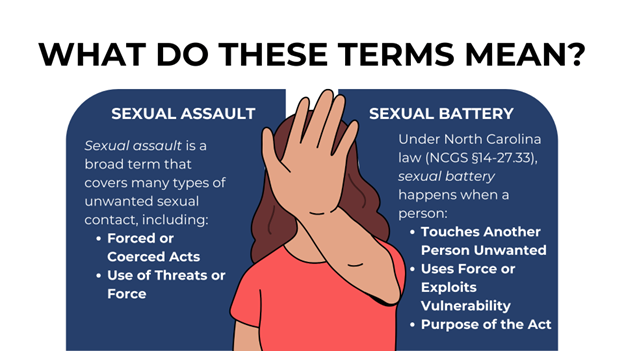
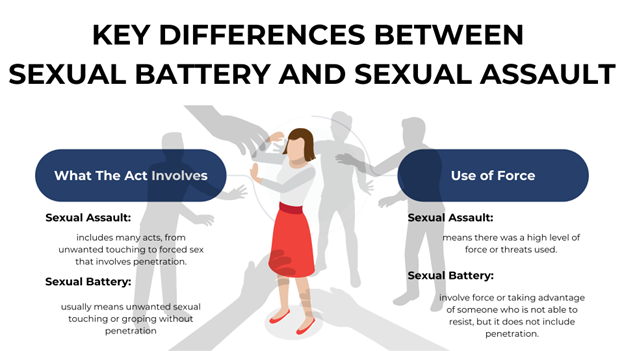
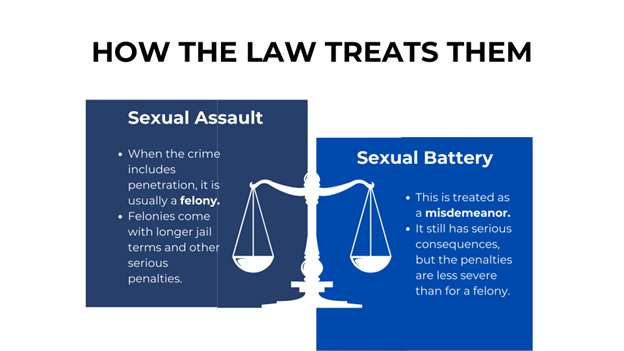
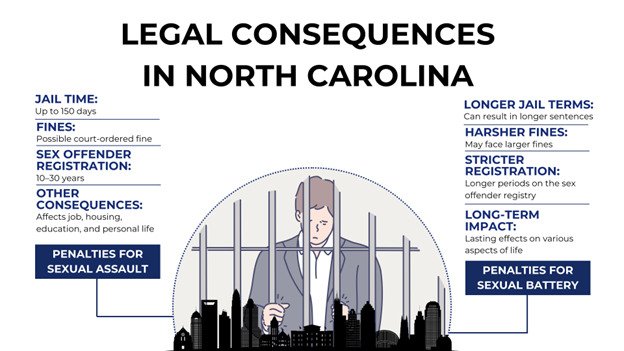
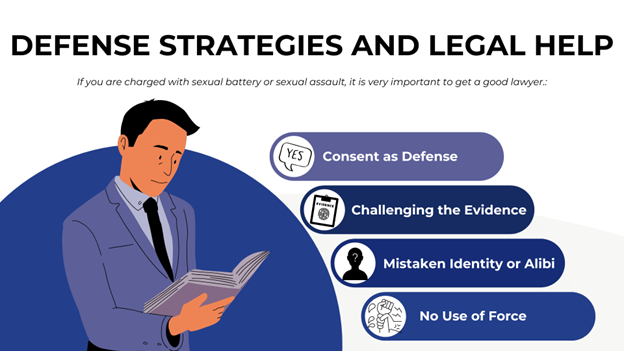
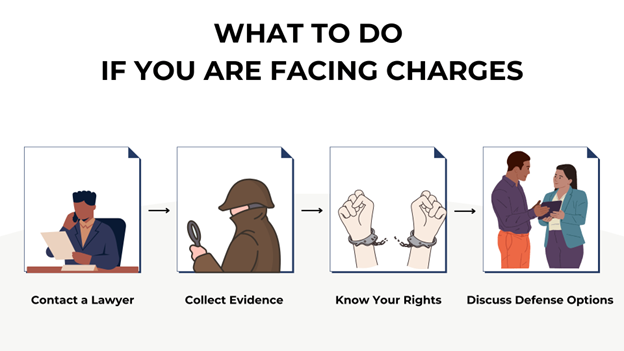
When you or a loved one is accused of a sex crime in North Carolina, the weight of the allegations can make it feel like an uphill battle from day one. An allegation can quickly escalate into a life-altering arrest, especially as new laws continue to shift the legal landscape. While an accusation is not a conviction, navigating the legal process can be an exhausting ordeal for the accused. In fact, many cases never result in charges, but early mistakes make prosecution easier. Let’s break down North Carolina’s criminal justice process for sex offenses, including recent reforms that every defendant and their family must understand to protect their future. I. The Investigation: What Do Detectives Do First? In North Carolina, the window between an initial report and a formal arrest is a critical period for the defense. Because sex crime allegations are highly sensitive cases, they are rarely handled by standard patrol officers. Instead, these investigations are typically led by specialized units—such as a Special Victims Unit (SVU) or a Criminal Investigation Division (CID) or their regional equivalents—who are specially trained in interviewing techniques and the forensic recovery of evidence, including the extraction of digital evidence from phones and social media. In many cases, local agencies may even partner with the North Carolina State Bureau of Investigation (SBI) to utilize their advanced laboratory resources. During this high-stakes phase, the accused often faces the immense pressure of a focused investigation and an inevitable rush to judgment. Securing legal counsel is not just a priority, it is a strategic necessity. Will You Be Notified Before an Arrest Warrant is Issued? Not necessarily. In fact, many individuals first learn of an allegation when detectives show up at their home or workplace for a "voluntary" interview. Under N.C. Gen. Stat. § 15A-401, law enforcement has broad authority to investigate, often using "knock and talk" tactics to bypass the need for an initial warrant. A common mistake made by those accused of sex crimes is agreeing to these types of interviews without an attorney. Detectives are trained in interrogation techniques designed to elicit statements that—while they may seem innocent to you—can be considered as “admissions” or disclosures of fact that can be used to connect the dots for the accuser’s story. How Does North Carolina Process "Rape Kits" and Forensic Evidence? Since the passage of the Survivor Act, North Carolina has mandated the rapid processing of all sexual assault forensic exams (rape kits). Under current 2026 protocols: Mandatory Testing: All kits must be submitted to the State Crime Lab within a strict statutory timeframe. DNA Databases: DNA collected is immediately run against the CODIS database. Digital Forensics: Perhaps more critical in 2026 is the role of digital evidence. Under N.C. Gen. Stat. § 15A-242, police will seek search warrants for: Cell Phone Extraction: Text messages, deleted photos, and GPS or ping data. Social Media Records: Private messages on platforms like Instagram, Snapchat, or Facebook. Cloud Data: To search for images or communications that might corroborate the accuser's timeline. Should You Talk to Detectives? Unless you have a licensed attorney present, the answer is no. Under the Fifth Amendment, you have the right against self-incrimination, which applies during the investigation phase even if you have not been arrested. In North Carolina, any statements made to detectives—even those intended to explain your side or "clear your name"—are recorded and can be used as evidence against you. Sex crime allegations often rely heavily on witness statements and credibility; providing a statement without legal counsel can inadvertently create inconsistencies or provide the state with necessary corroboration for an arrest. Are You Required to Give Police My Cell Phone? Unless the officers have a Search Warrant signed by a judge, the answer is no. Under the Fourth Amendment, you have the right against unreasonable searches and seizures. In North Carolina, providing consent to search your phone often allows investigators to download your entire digital history—including unrelated private conversations, media, and information—which can all be used against you later. Do You Have to Give a DNA Sample? Unless the officers have a Search Warrant or a Nontestimonial Identification Order signed by a judge, the answer is no. Under the Fourth Amendment, you have the right against unreasonable searches and seizures of your person. In North Carolina, providing consent to a DNA swab allows investigators to process your genetic profile for any forensic purpose—including comparison against unrelated cold cases or inclusion in permanent databases—which can all be used against you later. II. The Arrest When Does a "Chat" Turn Into an Arrest? It is common for individuals to wonder at what exact moment they are under arrest. In North Carolina, the law distinguishes between being detained and being arrested. Detainment is a temporary investigative stop based on "reasonable suspicion" that a person may be involved in criminal activity; it is limited in scope and the individual is generally not free to leave, but they are also not yet charged with a crime. In contrast, an arrest occurs when law enforcement has "probable cause" to believe a specific crime was committed, resulting in the individual being taken into custody for an extended period, processed (booked), and officially charged within the judicial system. In North Carolina, a detention is legally required to be brief and "no longer than is necessary to effectuate the purpose of the stop." You can leave detention the moment the officer's reasonable suspicion has been dispelled or the investigation is complete, provided they haven't found enough evidence (probable cause) to transition to an arrest. A detention becomes an arrest when an officer has Probable Cause —a reasonable belief based on objective facts that you have committed a crime. This is the point where the encounter moves into the criminal justice system. Physical Custody: While handcuffs alone do not always equal an arrest (sometimes they are used for "officer safety" during a detention), being placed in a patrol car and transported for booking signifies a formal arrest. In North Carolina, detentions must be brief and limited to the original purpose of the stop. If an officer extends the stop without new suspicion, it may become an illegal seizure. Can You Be Arrested Without Evidence? No. Under the Fourth Amendment, police cannot legally arrest you without probable cause. However, the legal definition of "evidence" is broader than many realize. In North Carolina, a sworn statement from a single accuser is considered direct testimonial evidence. If a magistrate or judge finds this statement credible, it can be enough to establish probable cause for an arrest warrant—even if there is no physical evidence like DNA, video footage, or fingerprints. Do Police Have to Charge You Right Away? Not necessarily. In North Carolina, there is no legal requirement for police to file charges immediately following a sex crime allegation. The timeline for an arrest depends on whether law enforcement believes they have already established probable cause or if they require further investigation to support the accuser’s statement. In North Carolina, an arrest occurs when law enforcement’s investigation transitions from gathering information to taking custody. For a sex crime allegation, this typically happens in one of two ways: either after a long-term investigation results in a warrant, or immediately if probable cause exists during an encounter. Why Early Legal Help is Critical in 2026 One major recent shift in North Carolina criminal procedure has fundamentally changed the aftermath of a sex offense arrest. Under these updated rules, it is now significantly more difficult for defendants to post bond immediately for serious felonies. With the implementation of Iryna’s Law (2025/2026), North Carolina now has stricter "rebuttable presumptions" against release for certain violent and sex-related charges. Critical Note: If you are arrested without a lawyer already on standby, you may face a mandatory 48-hour hold before a judge can even consider your bond. Having a lawyer "pre-retained" means they can be in court for your very first appearance to argue against this detention. Can You Get Out of Jail After a Sex Crime Charge? (Understanding "Iryna’s Law") As of December 1, 2025, North Carolina fully implemented Iryna’s Law (HB 307). This legislation significantly altered the pretrial release process for anyone charged with a "sexually violent offense" (which includes most felony sex crimes under N.C. Gen. Stat. § 14-27.21 through § 14-27.30). Magistrate Authority Removed: Previously, a magistrate could set a bond 24/7. Under Iryna’s Law, for certain violent or sexual offenses, a magistrate cannot set the conditions of release. The 48-72 Hour Hold: The defendant must be held in custody until they can be brought before a District or Superior Court Judge. This often results in a mandatory 2-to-3-day jail stay before a bond is even discussed. The Rebuttable Presumption: The new law creates a presumption that certain defendants pose a danger to the community. Your attorney must now actively "rebut" this presumption to convince a judge that you are safe to be released on bond. What Are "Pretrial Release" Conditions in North Carolina? Even when a judge does grant bond, it is rarely a simple financial transaction. In North Carolina, pretrial release for serious offenses frequently carries additional restrictive conditions that can be as significant as the bond itself: Electronic House Arrest (EHA): Requiring you to stay within your residence unless at work or court. Satellite-Based Monitoring (SBM): An active GPS ankle monitor that tracks your location in real-time. No-Contact Orders: Strict prohibitions against contacting the accuser, their family, or appearing near specific locations (like schools or parks). Legal Support During Investigations Even in "voluntary" or "friendly" interviews, individuals retain the right to terminate the conversation and consult with an attorney at any time. Seeking legal advice during the investigative phase can help ensure your rights are protected before an arrest occurs. If you are navigating a sex crime investigation in North Carolina, Patrick Roberts Law provides experienced legal guidance for these complex scenarios. With a history of handling thousands of cases, Attorney Patrick Roberts can assist in managing communications with law enforcement. You can reach the firm at 919-746-7206 for a professional evaluation of your situation. III. How Does the Charging Process and Grand Jury Indictment Work in North Carolina? In North Carolina, all felony sex crimes must be processed through the Grand Jury to proceed to Superior Court. However, a procedural tool is available to prosecutors that frequently catches defendants and their families off guard: the short-form indictment. What is a "Short-Form Indictment" in North Carolina? Typically, an indictment is expected to be a detailed document outlining exactly what the State alleges happened. However, under N.C. Gen. Stat. § 15-144.1 (for Rape) and § 15-144.2 (for Sex Offenses), the State is permitted to use a "shorthand" or short-form version—a streamlined version of the charges that lacks specific details, often leaving the accused to guess at the exact timing or nature of the alleged acts. A short-form indictment in NC only needs to name: The person accused. The date of the offense (frequently listed as an 'on or about' date). The county where it occurred. The phrase 'with force and arms' (a historical relic of common law that remains a standard part of North Carolina indictments). Why this matters for your defense: This means you could be arrested and indicted without the charging document ever mentioning the specific act you are accused of. This lack of detail makes it very difficult to prepare an alibi or a consent-based defense without legal intervention. When the State uses this approach, it is up to the defense to proactively demand the specific facts that the law would typically require. How Do You Fight a Vague Indictment? (The Motion for a Bill of Particulars) When the State utilizes the short-form indictment, the defense can file a Motion for a Bill of Particulars under N.C. Gen. Stat. § 15A-925. This motion asks the court to order the District Attorney to provide specific factual details, such as the exact date and time of day, the specific location, and the nature of the alleged sexual act. Without this, the defendant can be caught by surprise when the prosecution presents a specific version of events for the first time at trial. At this stage, if there is insufficient evidence or probable cause, many cases are dismissed and do not continue to be charged. This is why an experienced lawyer is essential from the moment you are accused of a sex crime. Classifying the Crime: Rape vs. Sexual Offense Under North Carolina law, there is a clear legal distinction between 'Rape' and 'Sexual Offense.' While people often use these terms interchangeably in everyday conversation, in the courtroom, they are separate offenses with distinct elements that the State must prove beyond a reasonable doubt. Understanding which specific statute you are charged under is an important step in building a defense. The Difference Between Rape and a "Sexual Offense" in NC The distinction is based entirely on the physical nature of the alleged act: Forcible Rape (§ 14-27.21 & § 14-27.22): Under NC law, "Rape" specifically and exclusively refers to vaginal intercourse. Forcible Sexual Offense (§ 14-27.26 & § 14-27.27): This category covers all other non-consensual sexual acts, including oral sex (fellatio/cunnilingus), anal intercourse, or penetration by an object. The Difference Between First-Degree and Second-Degree Sex Crimes? In North Carolina, the distinction between First-Degree and Second-Degree charges often comes down to the presence of specific "aggravating factors." Second-Degree (a Class C felony) generally involves a sexual act committed by force and against the will of the victim. The jump to First-Degree (a Class B1 felony) represents a massive leap in prison time and sentencing. To elevate a charge to First-Degree, the State must prove at least one of the following aggravating factors: Use of a Weapon: The defendant used, threatened to use, or displayed a dangerous or deadly weapon (or an object that the victim reasonably believed was a weapon). Infliction of Serious Injury: The defendant inflicted serious bodily injury upon the victim or another person during the commission of the crime. Multiple Participants: The defendant was aided and abetted by one or more other persons, commonly referred to as "acting in concert." How Does 2026 Law Define "Against the Will" and Consent? North Carolina recently updated its definition of consent. Under N.C. Gen. Stat. § 14-27.20, "against the will of the other person" now includes: Revoked Consent: If a person initially consents but later withdraws it "in a manner that would cause a reasonable person to believe consent is revoked," any continued sexual act is legally considered "against the will." Incapacity: If the victim is "physically helpless" (such as being asleep or unconscious) or "mentally incapacitated," consent cannot legally exist. It is important to note that if a person is unconscious—even if that state was self-induced through voluntary drinking—they are considered physically helpless, and any sexual act would be considered non-consensual under the law. IV. What is the Discovery Phase and How Is Evidence Exchanged in North Carolina? Once indicted, your case moves into the Discovery Phase. In North Carolina, the State is required under Article 48 of Chapter 15A to provide the defense with the evidence they intend to use. What Evidence is Included in "Discovery"? In a 2026 sex crime case, discovery is often massive and digital. It includes: SANE Reports: The medical findings from the sexual assault nurse examiner. Body-Worn Camera (BWC) Footage: Videos of the initial police response and any statements made by the accuser. Expert Witness Reports: DNA analysts, toxicologists, and "victim behavior" experts. The "Brady" Material: Any evidence in the State's possession that might actually help the defendant (exculpatory evidence). Strategic Defense: How Do You Fight a Sex Crime Allegation? In North Carolina, the outcome of a sex offense trial often hinges on how effectively the defense navigates the North Carolina Rules of Evidence. These rules govern everything from the cross-examination of witnesses to the introduction of outside facts, often deciding what the jury is—and isn't—allowed to hear. Under N.C.G.S. § 15A-903, a defendant is entitled to discovery, which includes the right to review the evidence gathered by the State’s specialized units. This allows a defense attorney to assess the strength of the prosecution’s case and identify potential legal challenges. Does the "Rape Shield Law" Prevent Me from Using Vital Evidence? One significant challenge for the defense is N.C. Gen. Stat. § 8C-1, Rule 412, commonly known as the Rape Shield Law. While this rule is designed to protect complainants from questioning regarding their past sexual history, it can create a substantial barrier for the accused when that history is relevant to proving consent or identifying a motive for false accusation. Generally, the sexual history of the complainant is inadmissible. However, there are four specific legal exceptions under Rule 412 where the defense can “bypass” the shield by introducing the following evidence: Prior Acts Between the Parties: Evidence of past consensual sexual behavior between the defendant and the complainant to help establish consent in the current case. Alternate Source of Physical Evidence: Evidence proving that someone other than the defendant was the source of semen, pregnancy, disease, or physical injury. Prior False Allegations: Evidence that the complainant has made prior false allegations of sexual assault in the past. Constitutional Right to Confrontation: A "catch-all" exception used when excluding the evidence would violate the defendant’s constitutional rights—typically to show a specific motive to fabricate, such as a pending custody battle or social pressure. The "In-Camera" Hearing: Before any of this evidence can be mentioned in front of a jury, the judge must hold a private, transcribed hearing. In this "mini-trial," the defense must prove that the evidence is both legally relevant and that its importance to the case outweighs the risk of unfair prejudice. If the judge denies the motion at this stage, the jury will never hear those facts. What Role Does "Consent" Play in North Carolina Law? In many cases, the physical act is not in dispute—the central issue is whether it was consensual. In 2026, North Carolina juries are given very specific instructions on how to evaluate consent. The Lack of Resistance: Under North Carolina law, a victim is not required to physically resist to show a lack of consent. The State only needs to prove the act was "against the will" of the complainant through force, fear, or coercion. The "Alcohol" Factor: This is the most common complicating factor in modern cases. If the State can prove the complainant was "physically helpless" (unconscious) or "mentally incapacitated" (to the point of being unable to understand the act), any "consent" they gave is legally void. The "Reasonable Belief" Defense: A critical strategy in these cases involves the defendant's "reasonable belief." If the defendant honestly and reasonably believed the other person was consenting based on their specific actions and words, it can negate the criminal intent required for a conviction. V. Trial vs. Plea Bargain: Which Path is Right? In North Carolina, sex offense cases generally resolve in one of two ways: a jury trial or a negotiated plea arrangement. This choice represents the most significant decision in a case, and it must be based on an objective analysis of the evidence and the potential sentencing outcomes. What Are the Risks of Going to Trial for a Sex Offense? In North Carolina, the risks of going to trial for a sex offense involve severe legal, personal, and financial consequences. Because sex crimes carry some of the most stringent sentencing and post-release requirements in the state, a "guilty" verdict at trial often results in mandatory minimum punishments that exceed those offered in plea negotiations. North Carolina’s Structured Sentencing North Carolina uses a rigid grid system where your Prior Record Level (points from past convictions) and the Offense Class dictate your sentence. Class B1 Felonies (e.g., First-Degree Rape): These carry a mandatory active prison sentence. Even for an individual with a completely clean record (Level I), the minimum sentence is generally 240 to 300 months (20 to 25 years). In North Carolina, there is no parole; you serve the time the judge gives you. Class C Felonies (e.g., Second-Degree Rape): While still very serious, a Class C felony offers a wider range of sentencing. For a Level I offender, the minimum sentence typically falls between 44 to 58 months (roughly 4 to 5 years). Moving a case from a B1 to a C can mean the difference of two decades of your life. The Jury Factor Jury selection is a critical phase of the trial. Through strategic questioning, a defense attorney identifies and 'strips away' potential jurors whose personal biases may prevent them from fully committing to the presumption of innocence or the State’s high burden of proof. Why Are Plea Deals Often Difficult in Sex Offense Cases? In North Carolina, plea deals in sex offense cases are often more complex and difficult to negotiate than in other criminal matters. This difficulty is largely due to statutory sentencing requirements, the presence of mandatory minimums, and strict internal policies maintained by many District Attorney (DA) offices. In many criminal cases, a plea deal might result in probation. Even a favorable plea offer often includes: Mandatory Active Prison Time: Unlike other felonies, many sex offenses fall into sentencing blocks that prohibit probation. Sex Offender Registry: Most plea arrangements still require registration, which often lasts for a lifetime. Extended Post-Release Supervision: While standard felonies require one year of supervision after prison, sex offenses carry a mandatory five-year period of strict monitoring. Expert Witnesses: The Role of Specialized Testimony When the State presents "scientific" evidence, the defense must often counter with its own experts. In 2026, North Carolina sex offense trials frequently hinge on the specialized testimony of professionals who can challenge the State's narrative: Forensic Psychologists: Used to explain the science of memory fallibility, the impact of suggestibility during police interviews, and why an allegation may be psychologically inconsistent. Toxicologists: Critical for analyzing actual levels of impairment to challenge the State’s claim that a complainant was "physically helpless" or "mentally incapacitated" due to alcohol or drugs. DNA and Forensic Specialists: Essential for challenging "touch DNA" or "secondary transfer" theories, explaining how genetic material can end up at a scene through non-sexual contact. VI. What Are the Requirements for Post-Release Supervision and the Sex Offender Registry? In North Carolina, the punishment for a sex offense does not end upon release from prison. Because these charges carry unique collateral consequences, the State has established a rigorous system of tracking and surveillance with durations ranging from 30 years to life depending on the nature of the conviction and the individual’s prior record. Extended Post-Release Supervision (PRS) Under the Structured Sentencing Act, most felony defendants serve 9 to 12 months of supervision after their prison term. However, sex offenses are a major exception: The 5-Year Mandate: Under N.C. Gen. Stat. § 15A-1368.2, individuals convicted of a "reportable" sex offense are subject to a mandatory five years of Post-Release Supervision. Compliance and Tolling: During this period, you are monitored by the Post-Release Supervision and Parole Commission. Any violation—such as failing a drug screen, missing a check-in, or entering a restricted "child zone"—can lead to a revocation, sending you back to prison to serve the remainder of your maximum sentence. The North Carolina Sex Offender Registry The North Carolina Sex Offender and Public Protection Registration Program (Article 27A) classifies registrants into two primary tiers based on the nature of the offense and prior history: 30-Year Registration: Most first-time offenders fall into this category under § 14-208.7. This requires registering with the local Sheriff and verifying residential information every six months. Lifetime Registration: This is mandatory for "Recidivists" (those with prior reportable convictions), "Aggravated Offenders," and those designated by a court as "Sexually Violent Predators." These individuals must verify their status every 90 days. Petitions for Removal Removal from the Registry is never automatic, but there is a legal pathway for certain individuals. Under N.C. Gen. Stat. § 14-208.12A, a person on the 30-year track may petition the Superior Court for removal after 10 years of successful, compliant registration. Eligibility: The petitioner must have a clean record for those 10 years and have strictly adhered to all registration requirements. The Judicial Hearing: Removal is at the discretion of a Superior Court Judge. During this proceeding, the District Attorney may present evidence opposing the petition, and the original victim has a legal right to appear and be heard. The court will ultimately weigh your rehabilitation to determine if you are no longer a threat to public safety. Satellite-Based Monitoring (SBM): GPS for Life? One of the most intrusive aspects of North Carolina law is Satellite-Based Monitoring (SBM). This is a real-time GPS ankle monitor that tracks your location 24/7 and transmits that data to the Division of Community Supervision and Reentry. Who is Subject to SBM in 2026? Significant revisions to SBM laws (effective late 2023 and updated in 2025) have re-expanded the program. A judge must order SBM if they find a defendant "requires the highest possible level of supervision" based on specific criteria: Lifetime SBM: Now a mandatory consideration for Recidivists (two or more reportable convictions), Aggravated Offenders, and Sexually Violent Predators. Term of Years SBM: For offenses involving the abuse of a minor, a judge can now order monitoring for a specific term of up to 50 years. The "Reasonable Search" Defense In the landmark case Grady v. North Carolina, the U.S. Supreme Court ruled that SBM constitutes a "search" under the Fourth Amendment. Because the government is physically intruding on your body to gather information, your attorney can argue that the monitoring is an unreasonable search if the State cannot prove you pose a high enough risk to justify the intrusion. What Happens if You Violate SBM Rules? Violating SBM protocols is not a mere administrative error; it is a serious criminal offense: Tampering or Removal: Knowingly damaging or removing the device is a Class E Felony. Failure to Enroll: Failing to show up for your initial hook-up is a Class F Felony. The Penalty: A single lapse—like letting the battery die or missing a check-in—can result in years of new prison time, often exceeding the sentence of the original underlying offense. Where Can You Live and Work? In addition to registry requirements and GPS monitoring, North Carolina law imposes strict "Premises Restrictions" under N.C. Gen. Stat. § 14-208.18. These rules create "exclusion zones" that can make finding housing or employment exceptionally difficult. The 1,000-Foot Rule: Registered offenders are generally prohibited from knowingly being on the premises of—or within 1,000 feet of—any property intended for the use, care, or supervision of minors. This includes schools, childcare centers, public parks, and even certain libraries or recreation centers. Residency Restrictions: While the law primarily restricts presence, it effectively limits residency as well. If a home is within the 1,000-foot buffer of a school or daycare, a registrant may be legally barred from living there. Professional Licensing and Employment: A "reportable conviction" triggers an automatic review or revocation of many state-issued professional licenses. This includes teaching, nursing, and social work, but can also extend to trades regulated by state boards. Furthermore, many private employers use the Registry as a permanent bar to employment. The Statute of Limitations in 2026 In North Carolina, the passage of time does not provide the same legal finality for sex offenses as it does for other crimes. Whether a case can still be initiated depends on the specific classification of the offense and the age of the accuser at the time of the incident. Is There a Statute of Limitations for Sex Crimes in NC? For most felonies in North Carolina, there is technically no statute of limitations. However, recent 2025 and 2026 legislative sessions have focused heavily on expanding the windows for both criminal prosecution and civil litigation: Adult Victims: While the State can theoretically bring felony charges years later, the "freshness" of evidence often dictates the timeline. Under N.C. Gen. Stat. § 15-1, North Carolina remains one of the few states where the clock never runs out on a felony, meaning a decades-old allegation can still trigger an arrest today. Minor Victims & The SAFE Child Act: Following the North Carolina Supreme Court's 2025 decision in McKinney v. Goins, the state has reaffirmed the "revival" of claims. This landmark ruling upheld the legislature’s power to reopen windows for lawsuits that were previously barred by time. Civil Litigation Windows: For civil lawsuits, victims of childhood abuse now have until age 28 to file a claim. This window is pushed even further if the abuser was criminally convicted; in those cases, a new two-year window opens from the date of conviction, regardless of the victim's current age. What Actions Should Be Taken Following a Sex Crime Allegation? If you become a subject of a sex crime investigation, the actions you take in the first 48 hours can directly impact the outcome of your case. Remember this checklist to protect yourself at the onset of an investigation. 1. Invoke the Right to Remain Silent Statements to law enforcement may be recorded and used in the investigation. You may wish to state clearly that you are invoking your right to remain silent and that you want to speak with an attorney. After you invoke this right, officers should stop questioning you until counsel is present. 2. Avoid Contacting the Alleged Complainant Direct or indirect communication with the person making the allegation can create misunderstandings or be interpreted as relevant to the investigation. Some jurisdictions have statutes that address contact with witnesses or complainants; data suggests contacting the alleged complainant may expose you to additional legal risks. Ask your attorney about appropriate boundaries. 3. Preserve Electronic Records; Do Not Delete Evidence Avoid deleting social media accounts, messages, call logs, or browsing history. In many jurisdictions, deleting potentially relevant data can be treated unfavorably by investigators or courts. Work with your attorney to arrange for a forensically sound preservation or backup of electronic communications that may be relevant to your defense. 4. Consult an Attorney Experienced in Sexual Offense Defense Prosecutors and investigative units may have specialized expertise in cases alleging sexual offenses. It can be helpful to consult or engage a criminal defense lawyer with experience in such matters to review the facts, advise you on rights and options, and coordinate preservation of evidence. The Prosecutorial Insight of Attorney Patrick Roberts As a former prosecutor in three North Carolina counties (Wake, Johnston, and New Hanover), Attorney Patrick Roberts understands how the State builds its case during the investigative phase. This prosecutorial perspective allows him to anticipate law enforcement tactics and identify weaknesses in evidence before an arrest is even made. With over 20 years of experience specifically focused on complex felonies and sex crime defense, he utilizes this systemic knowledge to advocate for his clients' interests and seek the most favorable legal resolutions* possible. *Disclaimer: Each case is different and must be evaluated separately. Prior results achieved do not guarantee similar results can be achieved in future cases. This extensive experience is critical to effectively navigate the forensic complexities of modern DNA evidence, the shifting SBI protocols, and the high-stakes cross-examination required to dismantle a fabrication. When your freedom is on the line, there is no substitute for a lawyer who possesses extensive experience in this specific legal field How Can a Defendant Protect Their Legal Rights During a Sex Crime Investigation? A sex crime allegation in North Carolina is more than just a legal hurdle, it is a battle for your reputation, your freedom, and your identity. Under 2026 state protocols, which include expedited processing and expanded digital surveillance, individuals must navigate a precise procedural timeline within the North Carolina court system. From the moment an SVU detective knocks on your door to the final resolution in a Superior Courtroom, every decision you make carries decades of weight. By understanding the mechanics of Short-Form Indictments, the nuances of Rule 412 evidence, and the reality of the Sex Offender Registry, you can begin to take control of a situation that feels uncontrollable. Attorney Patrick Roberts has received the following professional recognitions and training to effectively defend sex crimes allegations and charges: AV Preeminent Peer Rated (2026): Ranked at the highest level of professional excellence for legal knowledge and ethical standards by Martindale-Hubbell for over five consecutive years. " I have always found Patrick to be well prepared and effective. He is intelligent, proactive, and thinks outside the box. He has a lot of experience in many different areas and this enables him to be particularly effective for his clients. "- Verified Peer Review from Martindale-Hubbell on Oct. 19, 2018* AVVO "Superb" Rating (10/10): Maintained this top-tier rating for more than 15 years. "Throughout the process, he remained a constant calm and reassuring presence. His guidance and dedication made a difficult experience much more manageable."- Client Comment on Avvo (02/3/26)* *Disclaimer: The testimonials and peer reviews on this site are for informational purposes. They do not constitute a guarantee, warranty, or prediction regarding the outcome of your legal matter. Every case is different and must be evaluated on its own merits. *Testimonials and peer endorsements found on this website are actual comments. Gerry Spence Trial Lawyer College: An intensive program teaching comprehensive trial advocacy — including jury advocacy, storytelling, witness preparation, ethics, and courtroom presence. NCDC Trial Practice Institute: A two-week course on comprehensive criminal defense. 2025 NCDC Cross-Examination Intensive: Advanced training in witness questioning for high-stakes cases. Documented Case Outcomes Case Review: In a previous case,*Attorney Patrick Roberts represented a client during a pre-file investigation involving allegations of sexual misconduct with a minor. During the investigative phase, Mr. Roberts presented comprehensive documentation regarding the client’s mental health history to the prosecution. This information provided a necessary framework for the State to evaluate the intent and circumstances surrounding the allegations. Upon review of the evidence, the State declined to initiate formal charges, and the investigation was concluded. *Disclaimer: Each case is different and must be evaluated separately. Prior results achieved do not guarantee similar results can be achieved in future cases. The following summary represents Attorney Roberts’ recently closed cases* involving sex offense allegations: 2025: Closed allegation of sexual assault involving a child under 13; case involved allegations from a stepdaughter. Result: No charges filed* 2025: Closed allegation of sexual assault involving a 15-year-old complainant regarding allegations of sexual touching. Result: No charges filed* 2026: Closed allegation of rape stemming from an encounter at a bar. Result: No charges filed* *Disclaimer: Each case is different and must be evaluated separately. Prior results achieved do not guarantee similar results can be achieved in future cases. Reach Out to a Trusted North Carolina Defense Advocate If you or a family member are facing these allegations, do not face the state's specialized prosecution units without legal counsel. Attorney Patrick Roberts has the technical knowledge and extensive local courtroom experience to navigate North Carolina’s complex sex crime statutes. Contact Patrick Roberts Law at 919-746-7206 for a confidential case evaluation. Disclaimer: The testimonials and peer reviews on this site are for informational purposes. They do not constitute a guarantee, warranty, or prediction regarding the outcome of your legal matter. Every case is different and must be evaluated on its own merits.