
By Patrick Roberts Law – Serving Raleigh, Durham, and Chapel Hill, NC
When facing felony charges in North Carolina, understanding the classification system is essential. North Carolina law categorizes felonies into ten different classes, ranging from Class A felonies (the most serious) to Class I felonies (the least severe). Each classification carries different penalties, from probation and fines to life in prison.

At Patrick Roberts Law, we provide skilled criminal defense representation for clients facing felony charges in Raleigh, Durham, and Chapel Hill, NC. Whether you’re dealing with a Class A violent felony or a Class I white-collar offense, we’re prepared to fight for your rights and best outcome. Below you can discover felony classifications in North Carolina, examples of crimes for each, as well as additional considerations that are helpful to know if you or a loved one has been charged with a felony in Wake or Durham County.
Felony Classifications in North Carolina:
| Felony Class | Examples of Crimes |
|---|---|
| Class A (Most Severe) | First-degree murder |
| Class B1 | Second-degree murder, first-degree sexual offense |
| Class B2 | Voluntary manslaughter, drug trafficking (large amounts) |
| Class C | Assault with a deadly weapon with intent to kill, armed robbery |
| Class D | First-degree arson, voluntary manslaughter |
| Class E | Assault inflicting serious bodily injury, habitual breaking and entering |
| Class F | Involuntary manslaughter, sexual offenses with minors |
| Class G | Second-degree burglary, identity theft |
| Class H | Larceny over $1,000, embezzlement, possession of stolen goods |
| Class I (Least Severe) | Forgery, possession of controlled substances with intent to distribute |
Additional Considerations & Eligibilities for Felony Convictions in North Carolina
| Felony Class | Typical Sentence Range | Parole Eligibility | Expungement? |
|---|---|---|---|
| Class A | Life without parole or death penalty | No parole | Not eligible |
| Class B1 | 25 years to life | Limited eligibility | Not eligible |
| Class B2 | Up to 40 years | Possible parole after 15-20 years | Not eligible |
| Class C | 44 to 182 months | Parole possible | Not eligible |
| Class D | 38 to 160 months | Parole after 50% of sentence served | Not eligible |
| Class E | 15 to 63 months | Parole eligibility varies | Not eligible |
| Class F | 10 to 41 months | Parole possible | Not eligible |
| Class G | 8 to 31 months | Parole likely | Possible after 10 years |
| Class H | 4 to 25 months | Parole likely | Possible after 5-10 years |
| Class I | 3 to 12 months | Parole likely | Possible after 5 years |
Factors That Affect Felony Sentencing in North Carolina
- Prior Criminal Record: North Carolina courts consider prior convictions when determining sentencing. The Structured Sentencing System categorizes prior convictions into different levels, which can increase or reduce penalties.
- Aggravating and Mitigating Factors: Judges may increase or reduce sentencing based on factors such as:
- Use of a deadly weapon
- Injury to the victim
- Cooperation with law enforcement
- Lack of prior criminal history
3. Plea Deals and Reduced Charges: In many cases, an experienced criminal defense attorney can negotiate a plea deal, potentially reducing a felony charge to a misdemeanor or securing a more lenient sentence.
Felony Defense in Raleigh, Durham, and Chapel Hill
If you are facing felony charges in Raleigh, Durham, or Chapel Hill, it is crucial to seek legal representation immediately. A felony conviction can impact your career, housing, and personal freedoms.
Patrick Roberts handles cases involving:
- Drug felonies
- Violent crimes
- Theft and property crimes
- White-collar crimes
- Sex offenses
- Homicide and manslaughter
Contact a Felony Defense Lawyer in Raleigh-Durham, NC
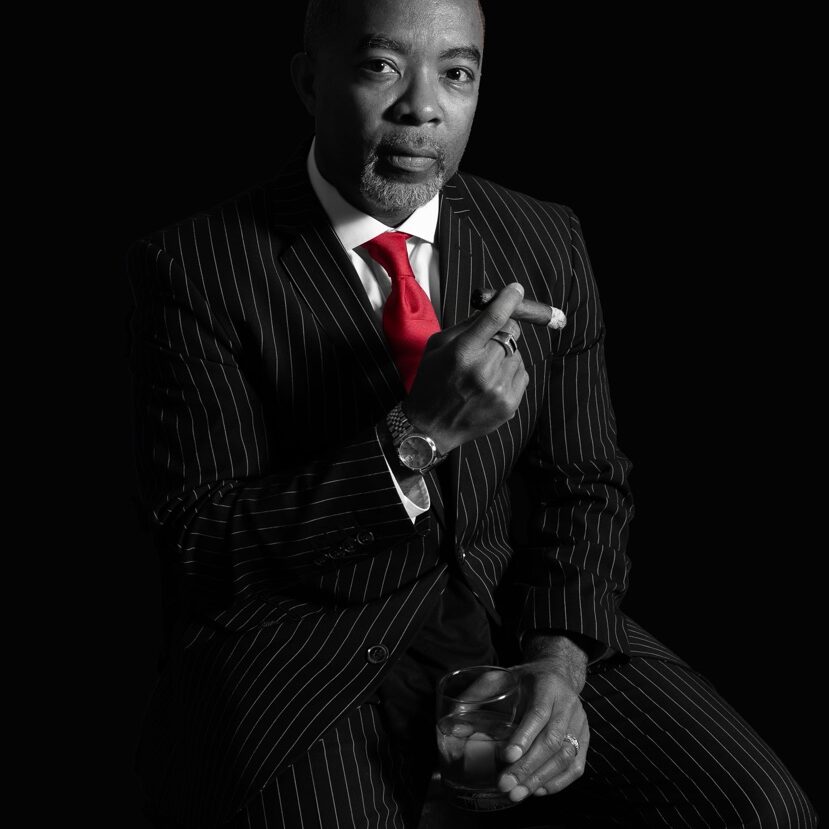
Arrested and charged with a felony in Raleigh, Durham, or Chapel Hill? Contact Patrick Roberts Law for a free case evaluation. He will review your case, explain your legal options, and develop a strong defense strategy to protect your future.
Find a Patrick Roberts Law Office Nearest You
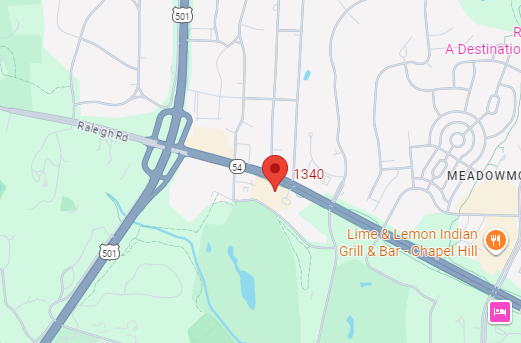
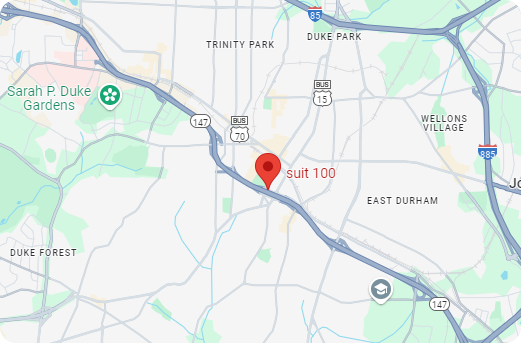
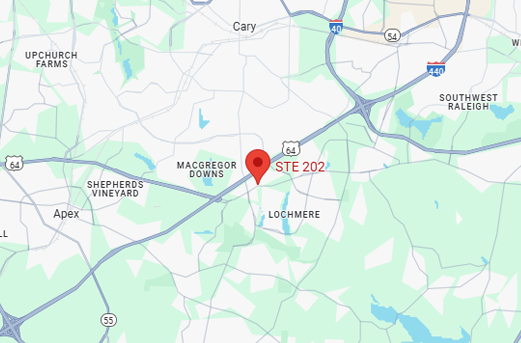
We have a criminal defense law office near you. Click below to get directions.
- Raleigh, NC – Directions
- Cary, NC – Directions
- Durham, NC – Directions
- Chapel Hill, NC – Directions
Former assistant district attorney
Contact Patrick Roberts
Facing criminal charges in North Carolina demands seasoned representation. Trust in the experience and dual perspective of Patrick Roberts. Reach out today for a confidential consultation.
-
Call Our Team
Calls answered 24/7






For more information on the selection criteria, go to www.martindale.com
*Each case is different and must be evaluated separately. Prior results achieved do not guarantee similar results can be achieved in future cases.