
If you’re facing drug charges in North Carolina involving fentanyl, you need to understand when possession becomes trafficking. Under North Carolina law, having just 4 grams or more of fentanyl can lead to trafficking charges—a serious felony with severe penalties.
What Amount of Fentanyl Is Considered Trafficking in North Carolina?
According to N.C. Gen. Stat. § 90-95(h)(4), anyone who sells, manufactures, delivers, transports, or possesses 4 grams or more of fentanyl faces trafficking charges. This threshold is surprisingly low compared to other drugs. The low amount reflects how dangerous fentanyl is and shows how seriously North Carolina treats this powerful opioid.
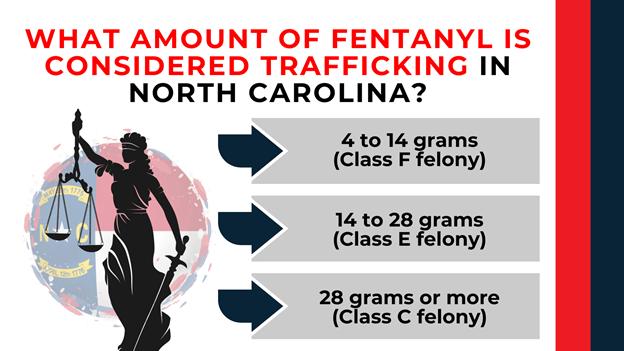
The law creates three levels of charges based on how much fentanyl is involved:
- 4 to 14 grams: Class F felony
- 14 to 28 grams: Class E felony
- 28 grams or more: Class C felony
These weight limits include pure fentanyl and any mixture containing it. This means if fentanyl is mixed with other substances, the total weight of everything counts toward the trafficking amount.
How Does North Carolina Define Fentanyl Trafficking?
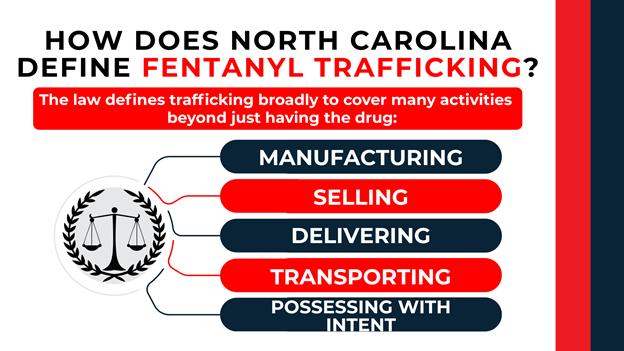
North Carolina’s trafficking law, found in N.C. Gen. Stat. § 90-95(h)(4), places fentanyl in the same category as other opioids like heroin. The law defines trafficking broadly to cover many activities beyond just having the drug:
- Manufacturing
- Selling
- Delivering
- Transporting
- Possessing with intent to manufacture, sell, or deliver
The law specifically names “heroin, fentanyl, or carfentanil, or any salt, compound, derivative, or preparation thereof, or any mixture containing any of these substances” as drugs subject to the harshest penalties. This broad definition ensures that all forms of fentanyl—whether pharmaceutical or street versions—fall under the trafficking law.
What Are the Penalties for Fentanyl Trafficking in North Carolina?
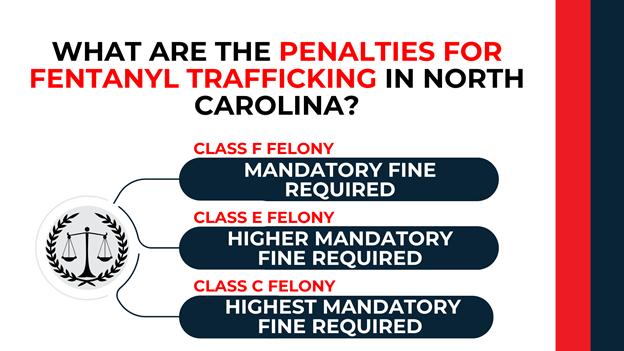
While exact sentences depend on factors like criminal history, N.C. Gen. Stat. § 90-95(h)(4) makes clear that fentanyl trafficking is always a felony. The law requires much higher fines for fentanyl trafficking than for other opioids:
- Class F felony (4-14 grams): Mandatory fine required
- Class E felony (14-28 grams): Higher mandatory fine required
- Class C felony (28+ grams): Highest mandatory fine required
These severe penalties show how the legislature views fentanyl’s deadly nature. The law singles out fentanyl, heroin, and carfentanil for the highest financial penalties among all opioid trafficking crimes.
Can You Be Charged with Trafficking for Possessing Fentanyl?
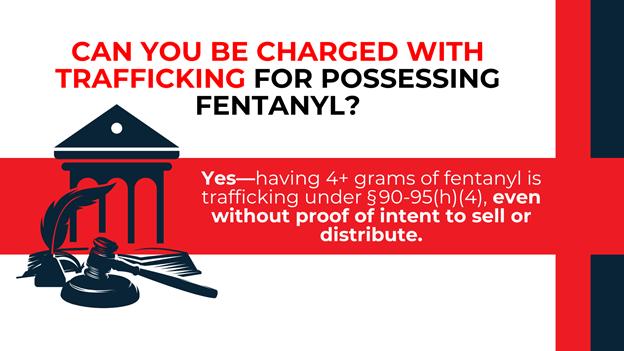
Yes, simply having 4 grams or more of fentanyl counts as trafficking under N.C. Gen. Stat. § 90-95(h)(4). Unlike simple possession charges, the state doesn’t need to prove you planned to sell or distribute the drug. The law assumes that having this much indicates trafficking activity.
This creates serious risks for people who might have fentanyl for personal use. The law doesn’t distinguish between having drugs for yourself and having them to sell when the amount is 4 grams or more. Once you cross that 4-gram line, the charge automatically jumps from simple possession to trafficking.
What Defenses Exist for Fentanyl Trafficking Charges?
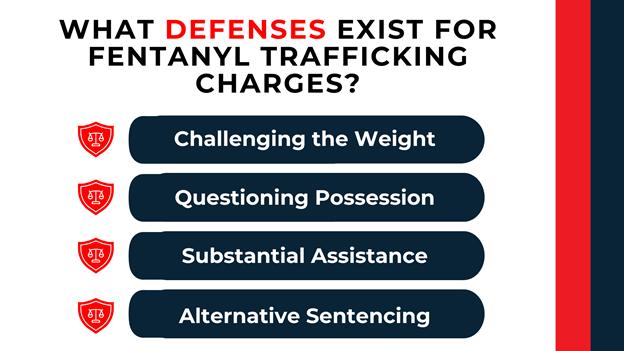
Several defenses might apply to fentanyl trafficking charges, depending on your specific situation:
Challenging the Weight: Since trafficking charges depend on having 4 grams or more, the exact weight matters greatly. If police weighed the drugs incorrectly or included packaging materials, this might bring the amount below the trafficking threshold.
Questioning Possession: The state must prove you knowingly had the fentanyl. If police found the drugs in a shared space or someone else’s car, proving you possessed them becomes harder. Under N.C. Gen. Stat. § 90-95(a)(3), prosecutors must show you knew about the drugs and could control them.
Substantial Assistance: N.C. Gen. Stat. § 90-95(h)(5) allows judges to reduce penalties when defendants provide “substantial assistance in the identification, arrest, or conviction of any accomplices, accessories, co-conspirators, or principals.” The judge must note this cooperation in the court record.
Alternative Sentencing: Under N.C. Gen. Stat. § 90-95(h)(5a), judges can impose lighter sentences if you meet specific requirements, including:
- Taking responsibility for your actions
- Having no prior felony drug convictions under N.C. Gen. Stat. § 90-95
- Not using violence or weapons
- Completing approved drug treatment
- Being charged only for possession-based trafficking
How Does Conspiracy to Traffic Fentanyl Work?
N.C. Gen. Stat. § 90-95(i) states that conspiracy to traffic fentanyl carries the same penalties as actually trafficking it. This means if you agree with others to traffic fentanyl, you can face trafficking charges even if you never touch or see any drugs.
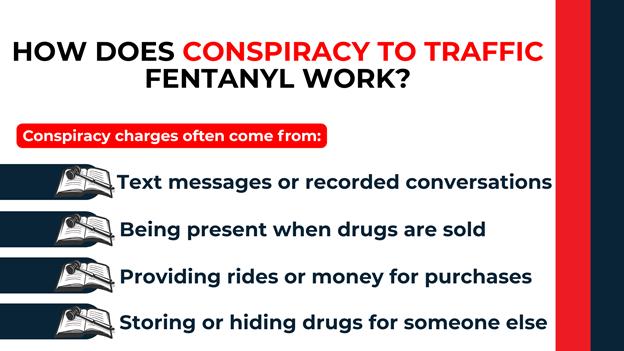
Conspiracy charges often come from:
- Text messages or recorded conversations about drug deals
- Being present when drugs are sold
- Providing rides or money for drug purchases
- Storing or hiding drugs for someone else
The conspiracy law greatly expands what police can charge as trafficking, since they don’t need to prove you actually had or sold any drugs.
What Should You Do If You’re Under Investigation?
If you think you’re being investigated for fentanyl trafficking, you need to act quickly to protect yourself:
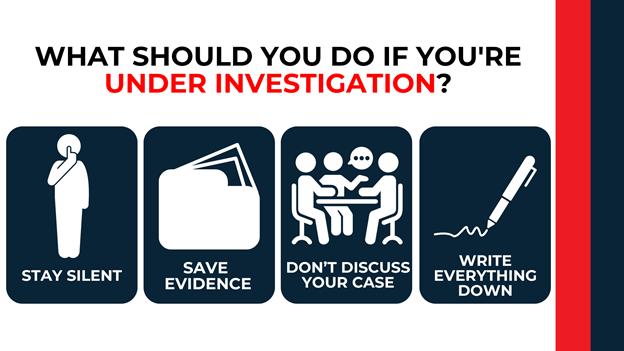
- Stay silent: Don’t talk to police without a lawyer present
- Save evidence: Keep any documents, texts, or other items that might help your defense
- Don’t discuss your case: Only talk about the charges with your attorney
- Write everything down: Record all details about any police encounters while they’re fresh in your memory
Because trafficking laws are complex and penalties are severe, getting an experienced lawyer early in the process is crucial.
When Should You Contact a Criminal Defense Attorney?
Since having just 4 grams of fentanyl triggers trafficking charges in North Carolina, you need legal help immediately if you’re facing any fentanyl charges. The difference between simple possession and trafficking can mean the difference between a misdemeanor and a serious felony. Trafficking charges carry mandatory penalties that limit what judges can do to help.
Attorney Patrick Roberts has handled many drug trafficking cases throughout North Carolina.* With deep knowledge of N.C. Gen. Stat. § 90-95 and how courts apply it across the state, Patrick Roberts Law fights to protect clients’ rights and explore every possible defense. Don’t wait to get help—the sooner you have a lawyer, the more options you may have for your defense. Contact Patrick Roberts Law today to discuss your case and learn about your rights under North Carolina law.

*Disclaimer: Each case is different and must be evaluated separately. Prior results achieved do not guarantee similar results can be achieved in future cases.
Former assistant district attorney
Contact Patrick Roberts
Facing criminal charges in North Carolina demands seasoned representation. Trust in the experience and dual perspective of Patrick Roberts. Reach out today for a confidential consultation.
-
Call Our Team
Calls answered 24/7








For more information on the selection criteria, go to www.martindale.com
*Each case is different and must be evaluated separately. Prior results achieved do not guarantee similar results can be achieved in future cases.