
North Carolina takes assault with a deadly weapon charges very seriously. Penalties can range from misdemeanors to serious felonies depending on the situation. If you’re facing these charges in North Carolina, understanding these laws is key to building a good defense.
What Counts as Assault with a Deadly Weapon in North Carolina?
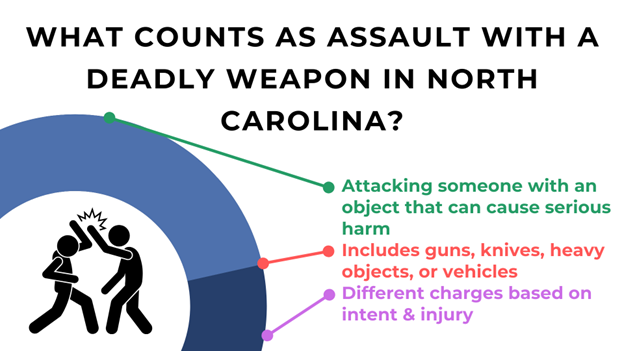
Under North Carolina law (General Statute § 14-32), assault with a deadly weapon means attacking someone using an object that could cause death or serious injury. The law breaks this offense into different types, each with its own penalties.
A “deadly weapon” can include:
- Guns
- Knives or other sharp objects
- Heavy objects used to cause serious harm
- Vehicles (when used to hurt someone)
- Any other object that could reasonably cause death or serious injury
What Are the Types and Penalties for Assault with a Deadly Weapon?
What Constitutes Misdemeanor Assault with a Deadly Weapon?
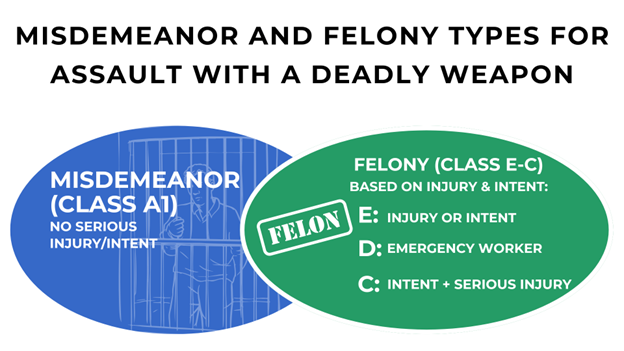
According to law § 14-33(c)(1), if you commit assault with a deadly weapon without causing serious injury or intent to kill, it’s a Class A1 misdemeanor, which can lead to:
- A short jail stint possible
- Possible fines
- Possible probation
Felony Assault with a Deadly Weapon
North Carolina law § 14-32 defines several felony types for assault with a deadly weapon:
Class E Felony:
- Assault with a deadly weapon causing serious injury (AWDWISI)
- Assault with a deadly weapon with intent to kill (AWDWIK)
- Punishment: Could face prison time for first-time offenders
Class D Felony:
- Assault with a deadly weapon on an emergency worker causing serious injury
- Assault with a deadly weapon on an emergency worker with intent to kill
- Punishment: Might result in several years behind bars
Class C Felony:
- Assault with a deadly weapon with intent to kill causing serious injury (AWDWIKISI)
- Punishment: Could lead to a lengthy prison term
What Factors Can Make Penalties More Severe?
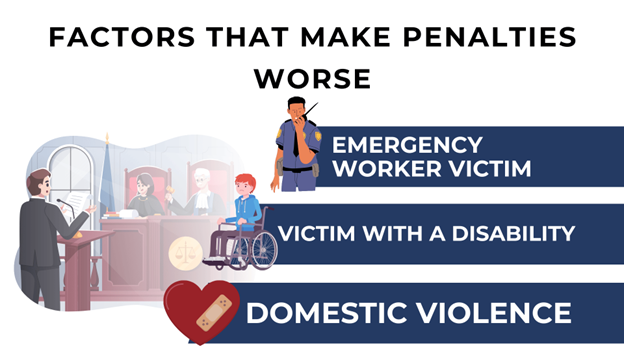
The charge and punishment become much more serious when:
The victim is an “emergency worker” – As defined in law § 14-32(f), this includes:
- Police officers
- Firefighters
- Emergency medical technicians (EMTs)
- Medical responders
The victim has a disability – Under law § 14-32.1, assaults against people with disabilities who can’t easily defend themselves carry harsher penalties.
The assault happens in a domestic setting – Domestic violence situations can trigger extra penalties and required supervised probation.
What Must Prosecutors Prove?
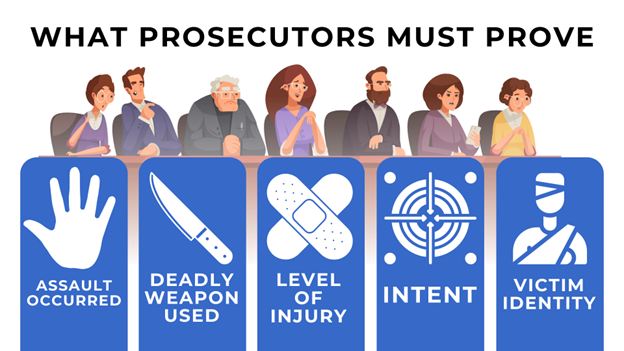
For a conviction of assault with a deadly weapon in North Carolina, prosecutors must prove:
- An assault happened (an intentional and unwanted touching or threat)
- A deadly weapon was used
- The right level of injury occurred (if charged as causing serious injury)
- Intent existed (especially for “intent to kill” charges)
- Who the victim was (especially important in cases involving protected groups like emergency workers)
What Are Common Legal Defenses?
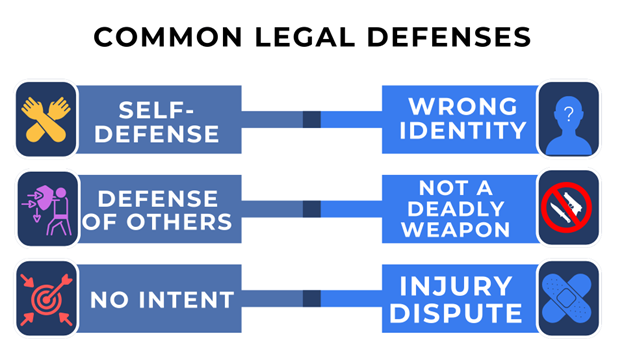
Several defense strategies might be available depending on your situation:
- Self-defense – You reasonably believed you were in immediate danger and used appropriate force
- Defense of others – You were protecting another person from harm
- Lack of intent – You didn’t mean to commit assault or cause serious injury
- Misidentification – You weren’t the person who committed the assault
- Challenging weapon classification – Arguing that the object used doesn’t count as a “deadly weapon”
- Challenging injury severity – Arguing that injuries don’t meet the legal standard for “serious injury”
How Can a Conviction Affect You Long-Term?
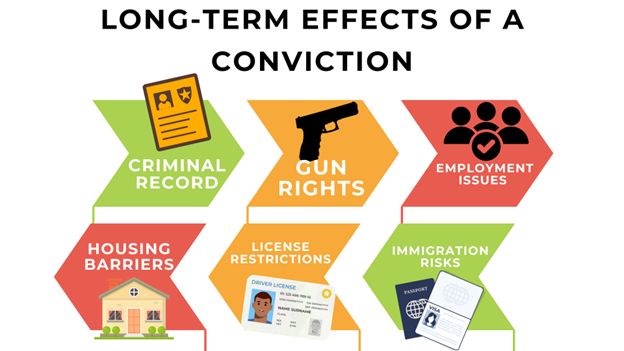
Beyond immediate penalties, a conviction for assault with a deadly weapon in North Carolina can result in:
- Permanent criminal record
- Loss of gun rights
- Trouble getting a job
- Housing problems
- Professional license restrictions
- Immigration problems for non-citizens
Why You Need Legal Help
Given how complex North Carolina’s assault with a deadly weapon laws are and the serious penalties involved, getting experienced legal help is crucial. A knowledgeable North Carolina criminal defense lawyer can:
- Review the evidence against you
- Find potential weaknesses in the prosecution’s case
- Develop an effective defense strategy
- Negotiate for reduced charges when possible
- Represent your interests throughout the court process
Act Quickly to Protect Your Rights
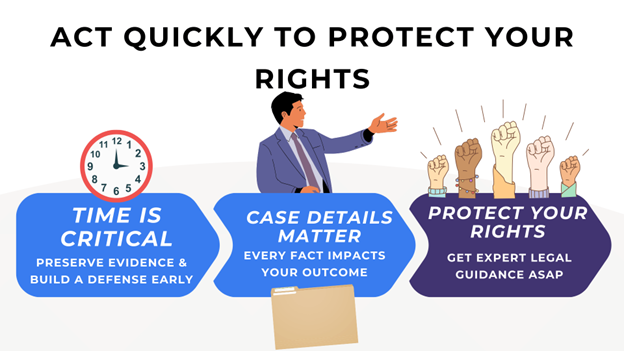
If you’re facing assault with a deadly weapon charges in North Carolina, time matters. Evidence needs to be preserved, witnesses interviewed, and legal strategies developed as early as possible. The specific details of your case will greatly impact potential outcomes, making personalized legal guidance essential.
If you or someone you care about is facing an assault with a deadly weapon charge, you need a skilled defense attorney who will work relentlessly to protect your rights and freedom. Attorney Patrick Roberts of Patrick Roberts Law has successfully represented clients in complex assault cases. Contact our office today to arrange a confidential consultation.
Former assistant district attorney
Contact Patrick Roberts
Facing criminal charges in North Carolina demands seasoned representation. Trust in the experience and dual perspective of Patrick Roberts. Reach out today for a confidential consultation.
-
Call Our Team
Calls answered 24/7






For more information on the selection criteria, go to www.martindale.com
*Each case is different and must be evaluated separately. Prior results achieved do not guarantee similar results can be achieved in future cases.