
What Is Misdemeanor Death by Vehicle in North Carolina?
In North Carolina, misdemeanor death by vehicle happens when:
- Someone accidentally causes another person’s death
- They were breaking a traffic law (not including drunk driving)
- Breaking this traffic law directly caused the death
According to North Carolina law (G.S. § 20-141.4(a2)), this might involve running a red light, speeding, or other traffic violations that lead to a fatal accident. This is different from felony death by vehicle, which involves driving while impaired under G.S. § 20-138.1 or G.S. § 20-138.2.
How Serious Is This Charge?
Misdemeanor death by vehicle is a Class A1 misdemeanor in North Carolina – the most serious type of misdemeanor as defined in G.S. § 20-141.4(b)(5). Even though it’s not a felony, the consequences can still dramatically change your life.
Think of it this way: a misdemeanor is serious, but a felony would be much worse. The main difference is that the misdemeanor charge happens when the accident was caused by a regular traffic violation, while the felony version involves alcohol or drugs as specified in G.S. § 20-141.4(a1).

What Penalties Could You Face?
If you’re convicted of misdemeanor death by vehicle in North Carolina, the punishment depends partly on your prior record according to G.S. § 15A-1340.23(c):
- No prior convictions: potential jail time
- 1-4 prior convictions: longer potential jail time
- 5 or more prior convictions: even longer potential jail time
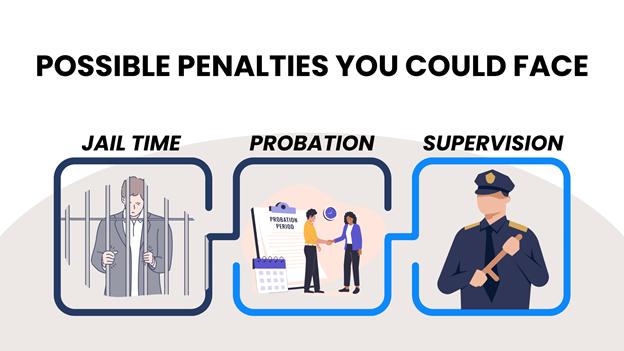
The judge can also order different types of punishment as outlined in G.S. § 15A-1340.11:
- “Community” punishment (like probation)
- “Intermediate” punishment (stricter supervision)
- “Active” punishment (actual jail time)
There’s no limit on how much the court can fine you for this offense under G.S. § 15A-1340.23(b). This means the judge can set any fine amount they think is appropriate for a Class A1 misdemeanor.
How Does This Charge Differ From More Serious Charges?
What Is the Difference Between Misdemeanor and Felony Charges?
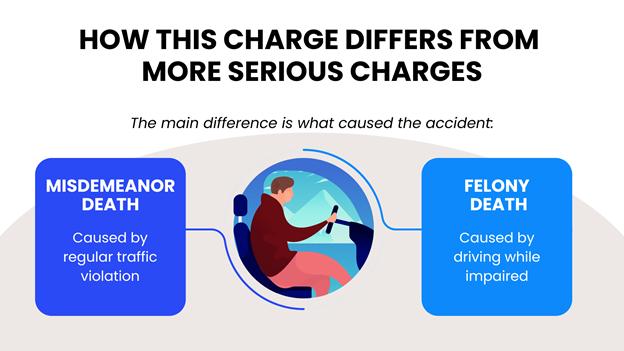
The main difference is what caused the accident:
- Misdemeanor death by vehicle: Caused by a regular traffic violation like speeding, running a stop sign, or improper lane change (G.S. § 20-141.4(a2))
- Felony death by vehicle: Caused by driving while impaired by alcohol or drugs (G.S. § 20-141.4(a1))
This difference is very important because felony charges come with much harsher penalties. A felony death by vehicle in North Carolina is a Class D felony under G.S. § 20-141.4(b)(2), which can mean years in prison instead of months in jail.
What Are More Serious Versions of Vehicular Death Charges?
North Carolina law also includes more severe charges for certain situations:
- Aggravated felony death by vehicle: This applies when someone causes a death while driving impaired AND they had a previous impaired driving conviction within the last 7 years (G.S. § 20-141.4(a5))
- Repeat felony death by vehicle: This happens when someone commits another felony death by vehicle after already being convicted of a similar offense (G.S. § 20-141.4(a6))
What Common Defenses Might Help Your Case?
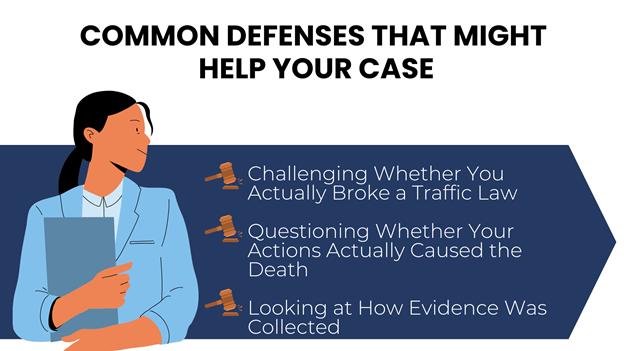
How Can You Challenge Whether You Actually Broke a Traffic Law?
Since the charge requires proving you broke a traffic law under G.S. § 20-141.4(a2)(2), your lawyer might challenge:
- Whether you actually committed the violation you’re accused of
- If police followed proper procedures (like properly calibrating radar guns for speeding tickets)
- Whether unusual road conditions, weather, or other factors beyond your control played a role
How Can You Question Whether Your Actions Caused the Death?
A key part of this charge is proving that your traffic violation directly caused the death as required by G.S. § 20-141.4(a2)(3). Possible defenses include:
- Something else caused the death that had nothing to do with your driving
- The other person’s actions contributed significantly to what happened
- A vehicle malfunction or defect caused the accident, not your driving
Let’s look at an example: If you were going 10 mph over the speed limit but the other driver ran a red light and crashed into you, your lawyer could argue that their action, not your speeding, was the real cause of the accident.
What About How Evidence Was Collected?
Your attorney might also investigate:
- Whether the accident investigation was done correctly
- If witness statements match each other and seem reliable
- If police respected your rights during the investigation under G.S. § 15A-974
For instance, if the police report contains major contradictions or if evidence was improperly collected, this might help your defense.
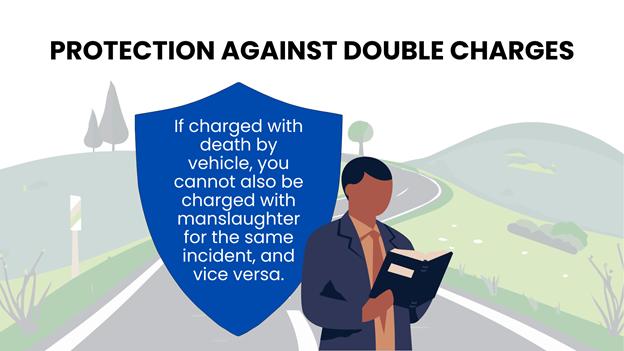
How Does the Law Protect Against Double Charges?
North Carolina law includes specific protection against being charged twice for the same incident. This means:
- If you’ve been charged with death by vehicle, you can’t also be charged with manslaughter for the same death
- If you’ve been charged with manslaughter, you can’t also be charged with death by vehicle for the same incident
This protection is outlined in G.S. § 20-141.4(c) and is an important legal safeguard that aligns with constitutional protections against double jeopardy.
What Are the Hidden Consequences of a Conviction?
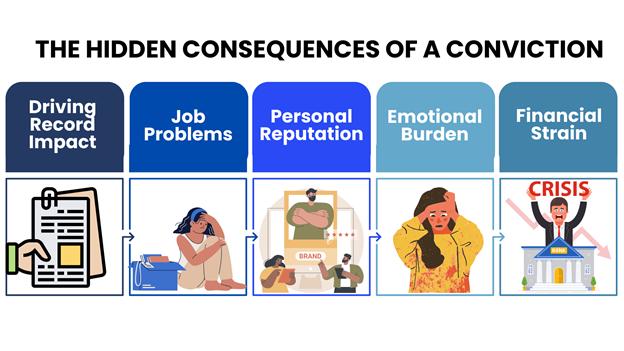
Beyond potential jail time, a misdemeanor death by vehicle conviction can affect your life in many other ways:
- Driving record impact: Your license could be suspended under provisions in G.S. § 20-17 or you might face higher insurance rates
- Job problems: Many employers conduct background checks, and a conviction involving a death could make finding work difficult
- Personal reputation: In smaller communities especially, being involved in a fatal accident can affect how people see you
- Emotional burden: Carrying the knowledge that your actions contributed to someone’s death can cause lasting psychological effects
- Financial strain: Between legal fees, fines, and potential civil lawsuits under G.S. § 1-539.21, the financial burden can be overwhelming
Why Does Having a Good Lawyer Make a Difference?
These cases are complex and emotionally charged. A skilled North Carolina defense attorney can:
- Carefully review all evidence against you as permitted under G.S. § 15A-903
- Identify weaknesses in the prosecution’s case
- Negotiate with prosecutors for reduced charges when possible under G.S. § 15A-1021
- Prepare a strong defense strategy if your case goes to trial
- Help minimize the long-term impact on your life
Many people make the mistake of thinking they can handle these charges on their own or with minimal legal help. This can lead to much worse outcomes than necessary.
What Should You Expect During the Legal Process?
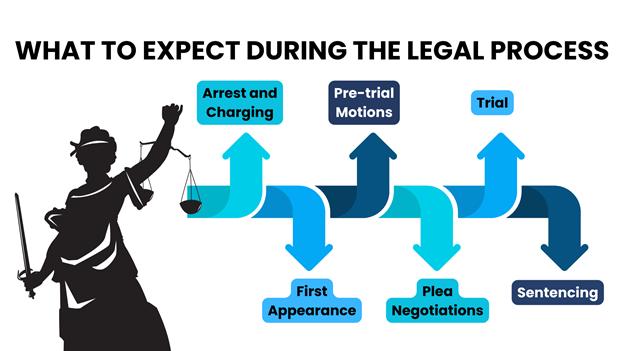
If you’re charged with misdemeanor death by vehicle, here’s what typically happens:
- Arrest and charging: You’ll be formally charged with the offense
- First appearance: An initial court appearance where the charges are explained (G.S. § 15A-601)
- Pre-trial motions: Your attorney may file motions to challenge evidence or procedures (G.S. § 15A-951)
- Plea negotiations: Many cases are resolved through agreements with prosecutors (G.S. § 15A-1021)
- Trial: If no agreement is reached, your case will go to trial (G.S. § 15A-1201)
- Sentencing: If convicted, the judge will determine your punishment (G.S. § 15A-1340.23)
The entire process can take months or even longer, depending on the complexity of your case and how busy the courts are.
How Can You Get Help During This Difficult Time?
Being charged with misdemeanor death by vehicle means you’re facing both legal trouble and the emotional weight of being involved in someone’s death. Many people experience depression, anxiety, and post-traumatic stress in these situations.
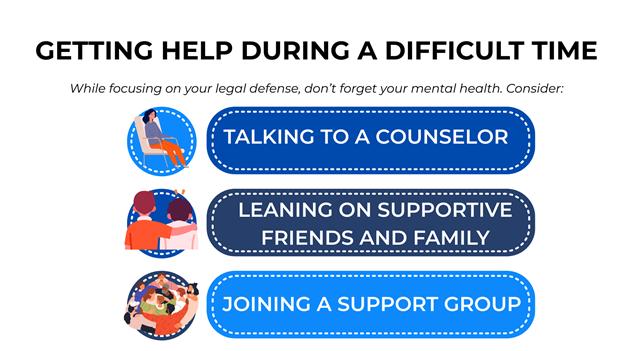
While focusing on your legal defense is important, don’t neglect your mental health. Consider:
- Talking to a counselor or therapist
- Leaning on supportive friends and family
- Joining a support group for people involved in accidents
Conclusion
Misdemeanor death by vehicle cases in North Carolina involve tragic circumstances that affect everyone involved – both the victim’s family and the person charged. While less severe than felony charges, these cases still carry significant legal and personal consequences that can change the course of your life.
Understanding what you’re facing, the potential penalties, and possible defense strategies is essential to protecting your future. If you’re facing this charge in North Carolina, talking to an experienced criminal defense attorney as soon as possible can make a significant difference in how your case turns out.
Remember that one traffic mistake doesn’t define your entire life, even when the consequences are severe. With proper legal help, you can work toward the best possible outcome in a difficult situation.
Being charged with misdemeanor death by vehicle is a devastating and complex situation. If you or a loved one is facing this charge, you need a defense attorney who understands both the legal system and the human side of what you’re going through. Attorney Patrick Roberts brings experience, compassion, and determination to every case. Contact our firm today for a private consultation.
Former assistant district attorney
Contact Patrick Roberts
Facing criminal charges in North Carolina demands seasoned representation. Trust in the experience and dual perspective of Patrick Roberts. Reach out today for a confidential consultation.
-
Call Our Team
Calls answered 24/7








For more information on the selection criteria, go to www.martindale.com
*Each case is different and must be evaluated separately. Prior results achieved do not guarantee similar results can be achieved in future cases.