

Most felony sexual assault charges in North Carolina have no statute of limitations. That means the state can bring charges five, ten, or twenty years after the alleged offense — there is no deadline. Because nearly every sexual assault offense in North Carolina is classified as a felony, this rule applies to the vast majority of cases.
That single fact shapes everything that follows. It matters whether you are trying to understand your legal options after an assault, whether you have just learned of an allegation against you from years ago, or whether you are a family member trying to make sense of the process for someone you care about.
But the full picture has layers. One category of sexual offense — misdemeanor sexual battery — does carry a time limit. Civil lawsuits operate on an entirely separate timeline from criminal charges. And recent changes to North Carolina law have shifted several of these deadlines significantly. Below is what you need to know, organized around the questions people in this situation are actually asking.
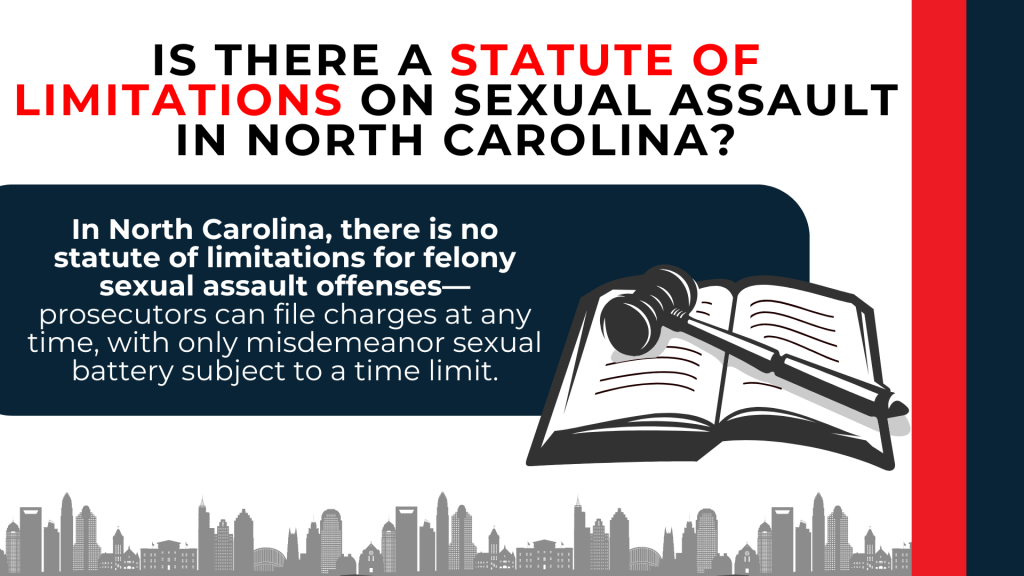
Is There a Statute of Limitations on Sexual Assault in North Carolina?
For felony sexual assault, the answer is no. North Carolina is unique in that it does not impose a statute of limitations on any felony. Because rape, sexual offenses, statutory rape, and indecent liberties are all classified as felonies under North Carolina law, prosecutors are not restricted by a filing deadline.
While many states impose windows of three, ten, or twenty years for serious offenses, North Carolina allows a prosecutor to file felony charges at any point, regardless of how much time has passed since the alleged incident.The only sexual assault offense in North Carolina that carries a time limit is misdemeanor sexual battery. Under N.C.G.S. § 14-27.33, this charge involves non-consensual sexual contact for the purpose of arousal, gratification, or abuse. Because it is a misdemeanor, it is the only offense of this nature subject to a filing deadline.
What Is the Time Limit for Misdemeanor Sexual Battery Charges?
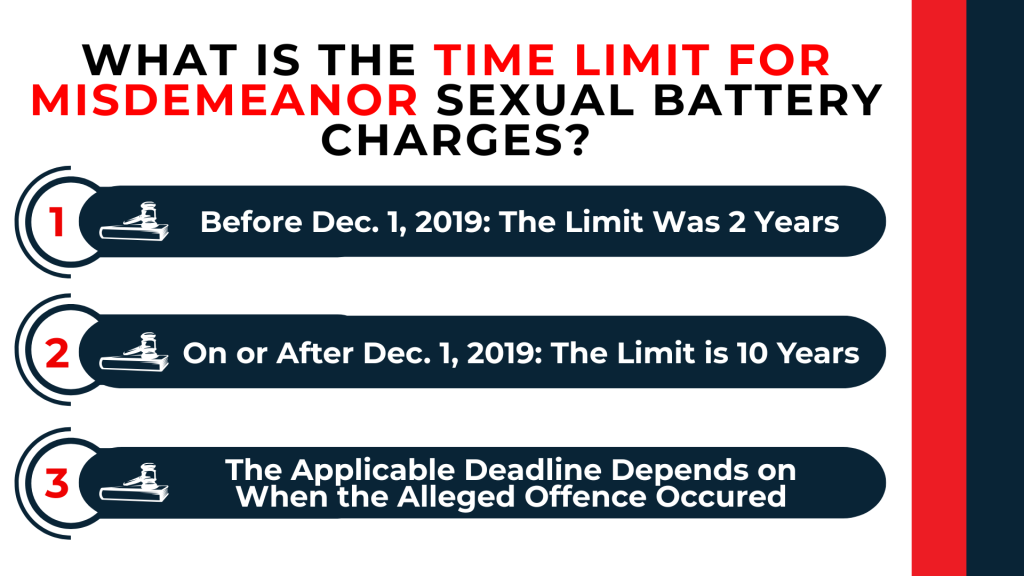
The filing deadline for misdemeanor sexual battery depends entirely on when the alleged offense occurred, due to significant legislative changes.
How Did the SAFE Child Act Change the Deadline?
Before December 1, 2019, misdemeanor sexual battery generally carried a two-year statute of limitations. However, the SAFE Child Act (Session Law 2019-245) extended this period significantly. For offenses committed on or after December 1, 2019, the statute of limitations is now 10 years.
Which Deadline Applies to Your Case?
Generally, the statute of limitations in effect at the time of the alleged offense is the one that applies:
- Offenses before Dec. 1, 2019: Typically subject to the two-year deadline.
- Offenses on or after Dec. 1, 2019: Generally subject to the 10-year deadline.
Example: If an allegation of unwanted sexual touching involves conduct from March 2021, prosecutors generally have until March 2031 to file charges. However, if the same conduct allegedly occurred in 2017, the two-year window would have closed in 2019, potentially barring a misdemeanor charge.
What are the Consequences of a Misdemeanor Conviction?
Beyond the statute of limitations, a conviction for sexual battery carries serious weight under the North Carolina Structured Sentencing guidelines:
- Classification: Class A1 Misdemeanor.
- Sentence: Up to 150 days in custody.
- Long-term Restrictions: A conviction may trigger additional registration requirements or long-term legal restrictions.
North Carolina Sexual Assault Time Limits Summary
| Offense Type | Classification | Statute of Limitations |
| Forcible Rape / Sex Offense | Felony | None (No Deadline) |
| Indecent Liberties | Felony | None (No Deadline) |
| Statutory Rape | Felony | None (No Deadline) |
| Sexual Battery (Pre-2019) | Misdemeanor | 2 Years |
| Sexual Battery (Post-2019) | Misdemeanor | 10 Years |
What if the Victim Was a Child?
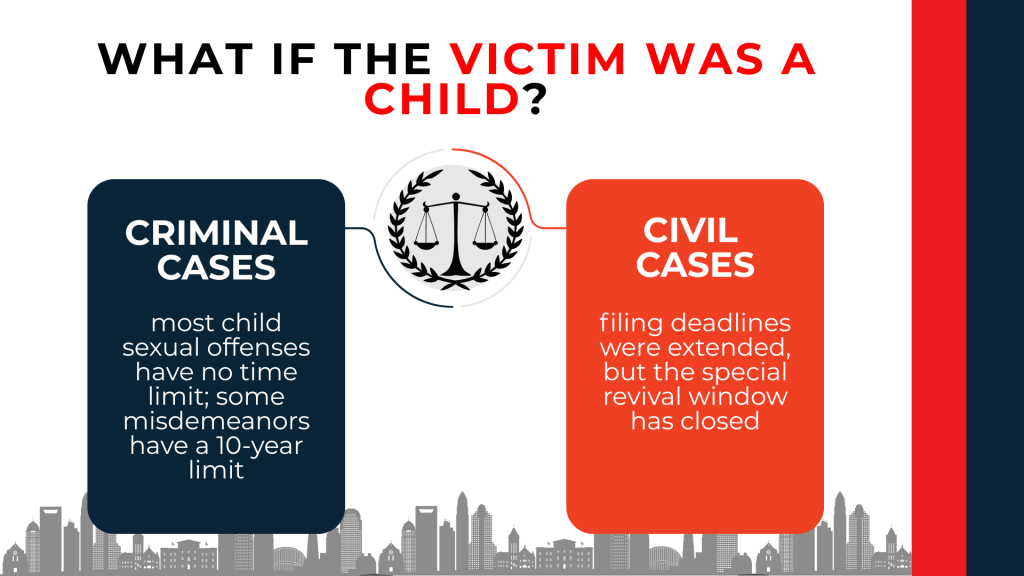
On the criminal side, the answer largely follows the felony-misdemeanor difference above. Most sexual offenses against children — statutory rape, indecent liberties, first- and second-degree sexual offense — are felonies with no statute of limitations. The SAFE Child Act’s 10-year extension for misdemeanor charges specifically targets offenses involving abuse against children. That means misdemeanor sexual battery involving a child now carries that longer window for offenses committed on or after December 1, 2019.
Where the timeline changes significantly is on the civil side, which many people confuse with criminal charges. These are two separate legal tracks. Criminal charges are filed by the State of North Carolina through a prosecutor. Civil lawsuits are filed by the individual seeking financial compensation. Different rules govern each.
For civil claims, the SAFE Child Act changed the timeline for survivors of childhood sexual abuse. Previously, if you were sexually abused as a child, you had a much shorter window after turning 18 to file a civil lawsuit against your abuser. Under the amended law, that window was extended significantly. The Act also created a temporary revival window — from January 2020 through December 31, 2021 — during which survivors could file civil lawsuits that were previously time-barred. That window has closed.
If you experienced sexual assault as an adult, the general civil statute of limitations is typically shorter than the criminal timeline. The specific deadline depends on the nature of the claim and when you became aware of the harm.
The distinction between criminal and civil timelines is one of the most misunderstood areas of this topic. Someone can be criminally charged for a felony sexual offense at any time regardless of when it occurred. But the window to file a civil lawsuit for the same conduct may have already closed — or vice versa. If you are trying to evaluate your options, understanding which track you are on is essential. An attorney can help clarify which deadlines apply to your specific situation.
Can Someone Be Charged With Sexual Assault Years or Even Decades Later?
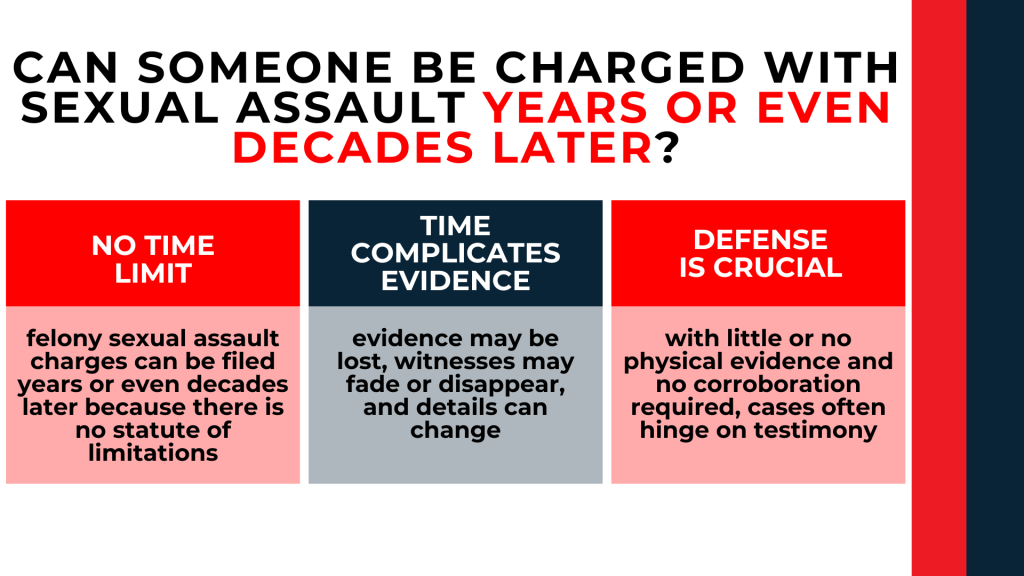
Yes. For any felony sexual assault in North Carolina, there is no time limit. Because there is no statute of limitations on felonies, charges can be filed years or even decades after the alleged conduct.
This reality shapes both sides of these cases in significant ways. Data from the North Carolina Sentencing and Policy Advisory Commission shows that Class B1 felony cases — which include first-degree rape and statutory rape of a child — take a median of 30 months from charge to sentencing. Defendants in these cases spend an average of 27 months in pretrial detention. These are among the longest processing times in the North Carolina court system.
When charges arise years after the alleged conduct, the passage of time creates challenges that affect both the prosecution and the defense. Physical evidence may no longer exist. Witnesses may be unavailable or may have inconsistent recollections. Locations may have changed. None of this prevents the state from filing charges, but it does affect how those charges are investigated, challenged, and ultimately resolved.
For the defense, the passage of time is not a legal barrier but it can be a significant factual one. An experienced defense attorney will evaluate what evidence still exists, what has been lost, and how the timeline affects the strength of the state’s case. In North Carolina, a sex offense conviction does not require corroboration — victim testimony alone, if believed by the jury, can support a conviction. This makes the quality of the defense investigation and preparation especially critical in cases with a long gap between the alleged conduct and the charges.Among all Class B1 felony convictions in North Carolina in FY 2024, 15% went to jury trial — the highest trial rate of any felony class in the state. These cases are contested more aggressively than almost any other category of criminal charge. The stakes explain why. 100% of Class B1 through Class D felony sex offense convictions resulted in active imprisonment. Average sentences for Class B1 offenses ranged from236 to 315 months.
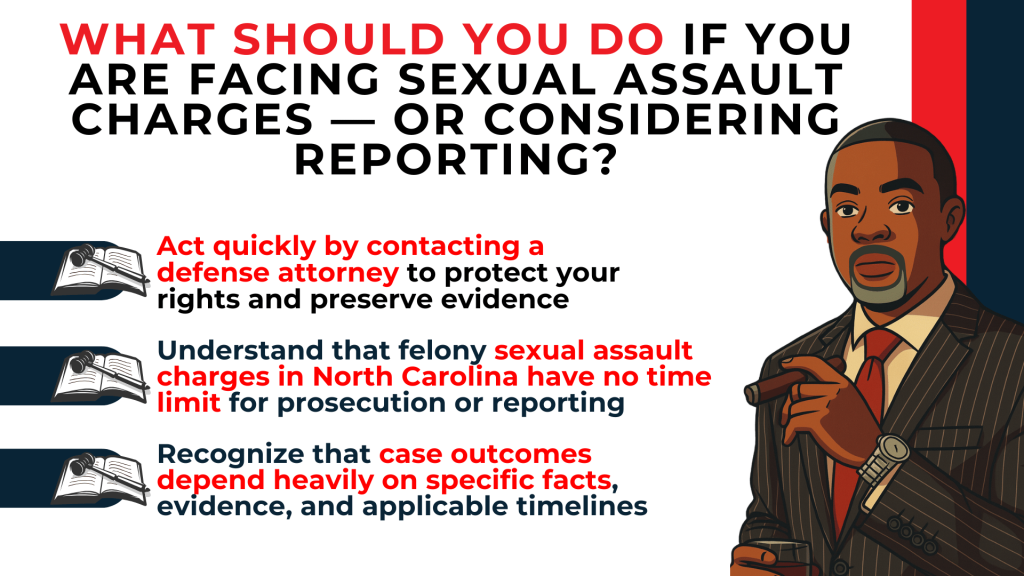
What Should You Do if You Are Facing Sexual Assault Charges — or Considering Reporting?
The absence of a statute of limitations for felony sexual assault in North Carolina means that charges can arrive without warning, sometimes based on allegations from years or decades ago. It also means that survivors are not prevented from pursuing criminal accountability regardless of how much time has passed.
Either way, the specifics matter enormously. Whether the criminal or civil timeline is at issue, which deadline applies, and what evidence exists all depend on facts that cannot be evaluated without knowing the specific facts.
If you are facing allegations or charges, the earliest possible involvement of a defense attorney can make a meaningful difference. Preserving evidence, understanding the exact charges, and protecting your rights during the investigation phase are steps that cannot be undone later if they are missed. If you are considering reporting sexual assault, there is no criminal deadline for felony charges — but prompt reporting can strengthen the investigation.
Highly Qualified Raleigh Sexual Assault Defense Attorney
Attorney Patrick Roberts has defended clients facing sexual assault charges for more than two decades. A graduate of Duke University School of Law (Top 9 best criminal law program) and Johns Hopkins University (Top 7 rank in National Universities), he has completed Gerry Spence’s Trial Lawyers College, a selective and intensive training program. He has also graduated from the National Criminal Defense College Trial Practice Institute and the 2025 NCDC Cross-Examination Intensive, which provide advanced, hands-on training in high-stakes witness questioning.
Peer-Reviewed Legal Standing and Client Service Recognition
He holds the highest possible peer rating from Martindale-Hubbell — AV Preeminent (2026) — and has been recognized as a Client Champion Platinum (2026) by Martindale-Hubbell for client service for over five consecutive years. He has maintained a 10/10 “Superb” rating on Avvo for more than 15 years and has been featured in Super Lawyers Magazine and on the cover of Attorney at Law Magazine as Attorney of the Month.
Defense Strategy Informed by Former Prosecution Experience
Before becoming a defense attorney, he served as an Assistant District Attorney in Wake, Johnston, and New Hanover counties, giving him direct insight into how prosecutors build and evaluate sexual assault cases. His firm has handled sexual assault defense at every stage, including cases that resulted in charges being closed or reduced.*
Case Review
Investigation of Sexual Allegations Involving a Minor
Summary of Allegations In 2025, Attorney Patrick Roberts’ client was the subject of a criminal investigation involving accusations of sexual molestation by his teenage stepdaughter. Due to the nature of the allegations, the client was facing the threat of a Class B1 felony charge, which carries a mandatory sentence of 25 years to life imprisonment under North Carolina law.
Defense Strategy and Legal Execution
To protect the client’s rights and counter the threat of permanent incarceration, Attorney Patrick Roberts focused on the following strategic actions:
- Pre-Indictment Intervention: Attorney Roberts engaged with law enforcement during the early investigative phase to prevent a formal arrest. This critical window allowed the defense to challenge the state’s narrative before a warrant was issued.
- Independent Fact-Finding: The defense conducted a targeted review of the allegations to identify inconsistencies. Attorney Roberts gathered objective evidence to demonstrate that the events as described were not feasible.
- Evidentiary Proffer to Detectives: Rather than waiting for the case to reach a courtroom, Attorney Roberts provided a formal presentation of findings directly to the lead Detective. This presentation challenged the “probable cause” necessary to move forward with the case.
- Credibility Impeachment: By highlighting documented inconsistencies, the defense demonstrated to local law enforcement that the evidence was legally insufficient to sustain a conviction.
Case Result: No Charges Filed
As a direct result of the strategic interventions by Attorney Patrick Roberts, the detective opted not to pursue the case.
*Disclaimer: Each case is different and must be evaluated separately. Prior results achieved do not guarantee similar results can be achieved in future cases.
Admissions to the U.S. Supreme Court and National Defense Resources
Mr. Roberts is admitted to practice before the United States Supreme Court, the Fourth Circuit Court of Appeals, and all federal district courts in North Carolina. He is a lifetime member of the National Association of Criminal Defense Lawyers and the only North Carolina lawyer listed on the National Child Abuse Defense & Resource Center as of 2026. He has co-authored two legal books, including one on defending internet sex crimes.
Client Review
“I hired Patrick and his firm to represent me in a very sensitive and frightening case. I was able to come in for a meeting immediately and had one of the most honest conversations of my life. He was honest, direct, and kind. There was no hint of judgement from a single person on their staff. They fought for my rights in a way I’ve never seen. Not only did he fight for me, he also pointed me in the direction of people who could actually help me. His confidence, knowledge, and support led to my charges being dismissed. I will forever keep their business cards on hand, and plan to use them for any legal matters, within their purview, going forward. If you’ve never done this before, feel hopeless, and don’t know what the next step is — no matter the outcome, you can rest assured your case was handled in the best of ways with Patrick Roberts.” — Verified client review on Avvo.com
Peer Endorsement
“I have known him as both an assistant district attorney and a private attorney. He’s one of the best I know.” — Martindale-Hubbell verified Peer Endorsement
Disclaimer: The testimonials are actual comments. Every case is different and depends on its own unique facts and legal circumstances. These results are illustrative of the matters the firm handles but do not guarantee, warrant, or predict a similar outcome in your legal matter.
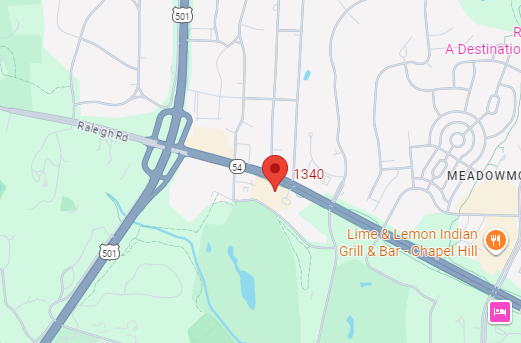
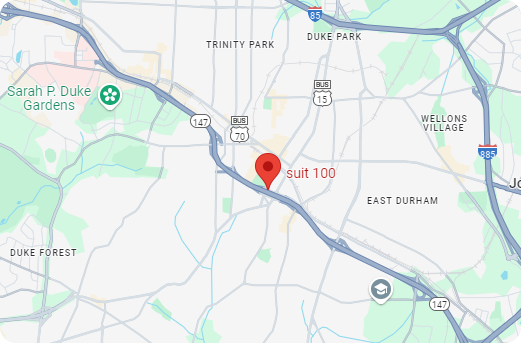
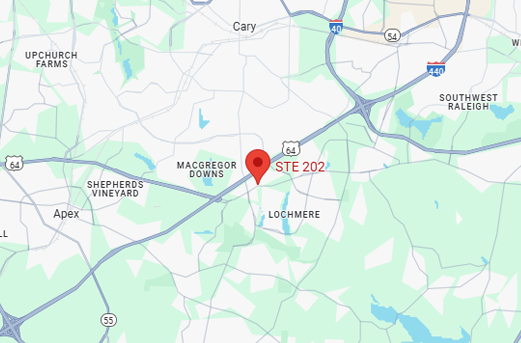
Patrick Roberts Law serves clients throughout the Raleigh area with additional offices in Durham, Chapel Hill, and Cary. If you have questions about the statute of limitations on a sexual assault matter in North Carolina — whether you are facing charges, under investigation, or trying to understand your options — contact the firm for a confidential consultation.
The firm utilizes a selective intake process to ensure that it can fully commit the necessary time and resources to the complex legal challenges its clients face.
Disclaimer: The information on this website is for general informational purposes only and does not constitute legal advice for any individual case or situation. Contacting us via this website, email, or contact form does not create an attorney-client relationship. Each case is different and must be evaluated separately; prior results do not guarantee a similar outcome.
Former assistant district attorney
Contact Patrick Roberts
Facing criminal charges in North Carolina demands seasoned representation. Trust in the experience and dual perspective of Patrick Roberts. Reach out today for a confidential consultation.
-
Call Our Team
Calls answered 24/7








For more information on the selection criteria, go to www.martindale.com
*Each case is different and must be evaluated separately. Prior results achieved do not guarantee similar results can be achieved in future cases.