North Carolina courts issued 1,418,282 expunctions in fiscal year 2024–2025, so record clearing here is common and well-established. What it is not is simple: eligibility, waiting periods, and the effect of an expunction are set almost entirely by statute: N.C. Gen. Stat. Chapter 15A, Article 5. The specific track that fits your record determines everything. We start by identifying that track.
Expungement Matters We Handle
North Carolina has no general "sealing" statute. Every form of record relief comes from a specific eligibility grant in N.C. Gen. Stat. §§ 15A-145 to 15A-160. The relief divides into two broad tracks: expunction of non-convictions (dismissals and not-guilty findings) and expunction of convictions. We work across both tracks and the provisions within each.Dismissed Charges and Not-Guilty Findings
We represent clients seeking to expunge charges that were dismissed or that ended in a finding of not guilty or not responsible under N.C. Gen. Stat. § 15A-146(a), (a1). This is often the most direct relief available. Where a single charge is dismissed or an acquittal is entered on all related charges, expunction is mandatory and no waiting period applies. Unlike conviction expunctions, it is also not barred by prior convictions or prior expunctions. This matters in North Carolina, where over a recent ten-year span 80.6% of criminal charges ended with no finding of guilt. Relief becomes discretionary rather than mandatory where some charges in the case resulted in conviction on the same day, or where the case has not reached final disposition. Separately, effective December 1, 2025, dismissals entered because a defendant was found incapable to proceed under G.S. § 15A-1008 are excluded from expunction under § 15A-146 (S.L. 2025-93). We identify which of these situations applies before filing.Are Dismissals and Acquittals Ever Expunged Automatically?
Some qualifying dismissals and acquittals are now expunged automatically, without any petition, under N.C. Gen. Stat. § 15A-146(a4), as restructured by S.L. 2024-35. The courts are directed to clear eligible non-conviction dispositions roughly 180 to 210 days after final disposition. This is the largest expunction stream in the state (1,381,128 automatic expunctions were issued in fiscal year 2024–2025) but it does not reach everything. A felony charge dismissed as part of a plea agreement is not eligible for automatic expunction and still requires a petition. Automatic expunctions also bypass the clerk-notification duties of § 15A-150, which can leave records at downstream agencies out of date. We help clients confirm whether an automatic expunction actually reached every record. We file a petition where the automatic process does not apply.Older Nonviolent Convictions: The Second Chance Act
We represent clients petitioning to expunge nonviolent misdemeanor and nonviolent felony convictions under N.C. Gen. Stat. § 15A-145.5. This is the state's main adult "second chance" pathway, and it carries no age limit. The waiting periods are measured from the later of the conviction or completion of the sentence, including probation and post-release supervision:• One nonviolent misdemeanor: 3 years (reduced from 5 by S.L. 2025-71, effective July 9, 2025)
• Multiple nonviolent misdemeanors: 7 years after the last conviction
• One nonviolent felony: 10 years
• A G.S. 14-54(a) breaking-or-entering felony: 15 years
• Two or three nonviolent felonies: 20 years after the most recent listed conviction
The gatekeeper term "nonviolent" is defined in § 15A-145.5(a) and expressly excludes Class A–G felonies, Class A1 misdemeanors, assault-element offenses, and certain sex-related and stalking offenses, among others. Even where the waiting period is met, relief can be barred by a disqualifying prior conviction, an outstanding warrant or pending charge, unpaid restitution, or a prior § 15A-145.5 expunction. You must also show good moral character during the waiting period. This is a demanding path: only 3,599 nonviolent-conviction expunctions were issued statewide in fiscal year 2024–2025. We build the petition to meet each requirement.
Young-Offender and First-Offender Expunctions
We represent clients seeking the enhanced relief North Carolina gives to people who committed an offense at a young age. This relief generally requires first-offender status and shorter waiting periods than the adult track. These provisions include N.C. Gen. Stat. § 15A-145 (under-18 misdemeanors and underage-alcohol offenses; 2-year wait), § 15A-145.2 (drug first offenders not over 21; 12-month wait, program completion required), § 15A-145.3 (toxic-vapor first offenders; 12-month wait), § 15A-145.4 (under-18 nonviolent felonies other than Class A–G; 4-year wait), and § 15A-145.8A ("Raise the Age" parity relief for 16- and 17-year-olds convicted before December 1, 2019, on completion of sentence). These provisions require no prior misdemeanor or felony conviction and no subsequent conviction during the waiting period. The drug and toxic-vapor pathways also require completion of a court-ordered program (or a waiver). We confirm which age-based section fits and whether the first-offender conditions are met.Can You Expunge a Charge Tied to Being a Victim or Mistaken Identity?
We also represent clients whose culpability is reduced by victim status or innocence, under the targeted provisions of Article 5. These include N.C. Gen. Stat. § 15A-145.6 (prostitution convictions; 3-year wait; no filing fee), § 15A-145.9 (convictions arising from human-trafficking victimization; no waiting period, discretionary, no fee), § 15A-147 (charges resolved through identity theft or mistaken identity), and § 15A-149 (expunction following a pardon of innocence). Trafficking relief is discretionary even when the threshold criteria are met, and the court must find that the offense was a direct result of the victimization. These pathways typically require a hearing with notice to the district attorney, and we handle that process.What Does an Expunction Actually Do, and What Are Its Limits?
A granted expunction restores you, in law, to the status you held before the charge or conviction. Under N.C. Gen. Stat. § 15A-153, you may lawfully deny the expunged matter in most contexts. Employers and educational institutions may not require you to disclose an expunged arrest, charge, or conviction. We make sure clients understand the limits as well. Under §§ 15A-151 and 15A-151.5, expunged convictions remain in a confidential file that district attorneys can use for prior-record-level calculation, habitual-offender indictment, offense-level enhancement, G.S. 90-96 eligibility, and Rule 404(b)/609 purposes. Section 15A-152 creates civil liability for the unlawful dissemination of expunged criminal-history information. And an expunction under North Carolina law does not erase federal immigration consequences, which are governed by federal definitions of "conviction." We explain exactly what relief will and will not do for your specific record before you file.
Legal Guidance for North Carolina Expungement
For individuals seeking to clear their criminal records, navigating the complex statutory landscape of North Carolina law requires precise legal guidance to ensure compliance with Chapter 15A, Article 5. Attorney Patrick Roberts offers this, drawing on over two decades of legal experience that includes service as a former Assistant District Attorney and extensive work in criminal defense litigation. Mr. Roberts possesses the experience necessary to identify specific eligibility tracks under the Second Chance Act and other relevant statutes. By combining his deep knowledge of the North Carolina court system with a commitment to meticulous case preparation, Mr. Roberts helps clients effectively evaluate their unique records to secure the relief to which they are entitled under the law.• Martindale-Hubbell AV Preeminent Rating: Consistently maintained this peer-nominated rating for eight consecutive years (2018–2026), reflecting the highest level of professional excellence and ethical standards.
• National Criminal Defense College Graduate: Completed the Trial Practice Institute, an intensive training program dedicated to mastering advanced criminal defense litigation skills.
• Nation’s Top 1 Percent Selection: Recognized by the National Association of Distinguished Counsel for excellence in legal practice in multiple years
• Former Prosecutor Perspective: Served as an Assistant District Attorney across three North Carolina jurisdictions (2003–2007), providing the specific insight required to navigate the state's complex, strict statutory standards for record expunction.
• Policy Appointment: Appointed to the North Carolina Juvenile Justice Planning Committee by Governor Pat McCrory, offering a systemic understanding of how criminal records are regulated and managed within the state's legal framework.
• Advanced Technical Training: Graduate of the White Collar Criminal Defense College at Stetson University, providing the technical forensic framework necessary to audit evidence and interpret eligibility tracks for statutory petition-based relief.
Client Review
Patrick is an outstanding legal advocate...I retained and worked with Patrick and his team for four years and my expectations were without a doubt satisfied. Patrick will always be my first choice for legal defense...— Review by a verified client via Avvo
Peer Endorsement
I attended the Trial Lawyers College with Patrick. If I was facing serious criminal charges anywhere in North Carolina, he would be my first call.— Peer endorsement by a fellow North Carolina trial attorney via Avvo
Disclaimer: The client reviews and peer endorsements displayed are authentic testimonials and comments provided by clients and fellow attorneys. Every case is unique and must be evaluated individually; past client experiences and case results do not guarantee, promise, or predict similar outcomes in any future matter.
Case Results
Seeing how a lawyer has handled real cases gives you a clearer idea of what to expect for your own. Below are examples of past cases resolved by Attorney Patrick Roberts:• Obtaining Property by False Pretenses Charges: An individual faced eight counts of obtaining property by false pretenses due to mistaken identity stemming from sharing a name with the actual offender. Defense counsel presented this evidence, resulting in the dismissal of all felony charges.
○ Outcome: Dismissed
• Sex Offender Registry Removal: The client sought legal assistance regarding their status on the sex offender registry. Legal counsel successfully secured the removal of the client’s name from the registry after the mandatory statutory registration period was completed.
○ Outcome: Client's name expunged from the sex offender registry after the period ended.
• Statutory Sex Offense Charges: The client was originally charged with multiple felony statutory sex offenses. Attorney Patrick Roberts negotiated a plea agreement to a single misdemeanor charge of sexual battery, and subsequently secured the client's removal from the sex offender registry after the required ten-year registration period.
○ Outcome: Plea negotiated to misdemeanor sexual battery with 10-year registration, followed by successful* removal from the sex offender registry on the first petition.
*Disclaimer: Case outcomes depend upon a variety of factors unique to each case. Prior results do not guarantee or predict a similar outcome in any future legal matter.
Navigating Your Path to Record Expungement
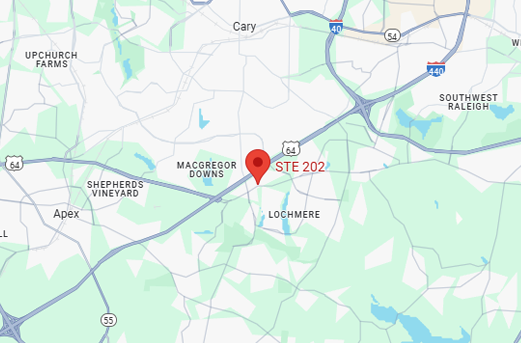
Clearing a criminal record requires a precise understanding of North Carolina's complex statutory requirements. Whether you are seeking relief under the Second Chance Act or evaluating eligibility for dismissed charges, Patrick Roberts Law offers the experienced legal counsel necessary to navigate these specific procedural pathways. We provide comprehensive representation across all North Carolina counties, with a dedicated focus on serving clients throughout Wake County, including Raleigh, Cary, Apex, Holly Springs, Garner, and Fuquay-Varina.To determine if your specific situation meets the criteria for an expunction, we invite you to contact our office for a professional evaluation of your record. Visit our website at www.patrickroberts.law to discuss your legal options with our firm.
Our firm utilizes a selective intake process to ensure full commitment of necessary time and resources to complex legal challenges.
Disclaimer: This article is general legal information, not legal advice. Reading it does not create an attorney-client relationship. North Carolina expunction law is almost entirely statutory and subject to legislative change, and how these rules apply depends on the specific facts of your case. For guidance on your situation, consult a licensed North Carolina attorney.