Blog / Felony Charges Lawyer

Blog

All Felony Charges Lawyer Criminal Defense Criminal Defense Lawyer Sex Defense Drug Charges Sex Defense Lawyer Murder Charges Rape Case Statutory Rape Charges Drug Crimes & Violations Drug Trafficking Violent Crime Domestic Violence Child Exploitation Charges Indecent Liberties North Carolina Criminal Law Sexual Assault North Carolina Law Fentanyl Crimes indecent liberties with a minor Sex Crimes Sex Crimes Defense Sex Offender Registry Sexual exploitantion of minors Meth Trafficking Age of Consent Aggravated Sexual Assault Artificial Intelligence Child Enticement Charges child grooming Child Rape Constitutional Rights & Warrants Criminal Defense & Travel Law Criminal Justice Criminal Law Cybercrime Defense Data Privacy Digital Evidence Entrapment defense False Accusations Family Law Federal Offenses Indecent Exposure Legal Defense Strategies Legal Resources Legal Updates Possession with intent to sell Sex Crimes & Registry Sex Crimes Defense Strategies Sex Offender Registration Requirements Sex Offender Registry Compliance Sex Offense Defense Sexting Laws solicitation of a child by computer Solicitation of a Minor Charge State vs. Federal Laws Statute of Limitations Statutory Sex Offense
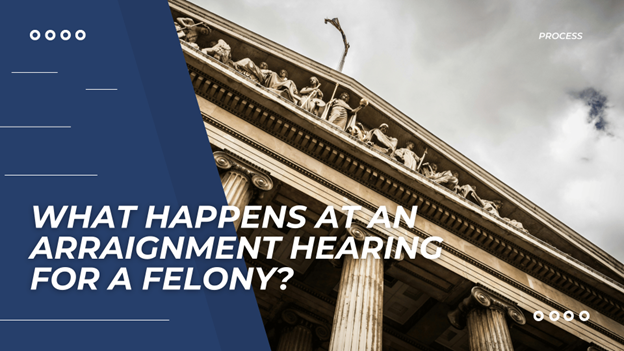
Title page with an image of a courthouse, introducing the topic of felony arraignment hearings and what to expect in the process.

What Happens at an Arraignment Hearing for a Felony?

An arraignment is a critical formal court appearance in the felony criminal process in North Carolina. Unlike in some states, in North Carolina's two-tiered court system (N.C.G.S. § 7A-270, § 7A-271), arraignment typically does not occur immediately after arrest. Instead, felony cases begin in District Court with an initial appearance (N.C.G.S. § 15A-601), and if indicted, move to Superior Court where the formal arraignment takes place after discovery (N.C.G.S. § 15A-623, N.C.G.S. § 15A-941). The arraignment is where you are officially notified of the charges against you and informed of your legal rights. more Key Components of a Felony Arraignment Reading of Charges During the arraignment, the judge reads the criminal complaint or indictment aloud. This formal reading: Clearly outlines the felony charges you face. Provides details such as the date, time, and nature of the alleged crime. Ensures you know the specific allegations and the potential penalties involved. This step is crucial because it sets the foundation for your case and ensures you are fully aware of what you are being accused of. Explanation of Your Rights The judge takes the time to explain your constitutional rights during the hearing. In a felony arraignment, you are informed of several important rights, including: The Right to Legal Representation: You have the right to hire a private attorney. If you cannot afford one, the court will appoint a public defender. The Right to Remain Silent: You are advised that you do not need to answer questions or provide statements that might be used against you later. Additional Rights: These may include the right to a speedy trial and, if applicable, the right to a jury trial. This explanation helps ensure that you make informed decisions about your case from the very beginning. Entering Your Plea One of the main functions of the arraignment is to have you enter a plea. The options typically include: Guilty Not Guilty No Contest For felony cases, most defendants enter a “not guilty” plea. This plea does not determine your guilt but initiates the pretrial process and sets the stage for future hearings. By pleading not guilty, you are exercising your right to contest the charges and work with your attorney on building a defense. Bail Determination and Release Conditions During the arraignment, the judge also considers bail. The judge evaluates several factors, such as: The severity of the felony charge. Your prior criminal history. Whether you are considered a flight risk. Based on this assessment, the judge will decide whether to: Release you on bail, Release you on your own recognizance (ROR), or Keep you in custody until your next court appearance. In North Carolina, local practices and the specifics of your case will influence these decisions. It is essential to understand that bail is meant to secure your future court appearances and is not a reflection of your guilt. Scheduling Future Proceedings After you enter your plea and the judge addresses bail, the arraignment hearing concludes with the scheduling of future court dates. These may include: Pretrial Motion Hearings: Hearings where both sides discuss legal arguments and evidence. Preliminary Hearings: Proceedings to determine if there is enough evidence to continue to trial. Trial Dates: The eventual date when your case will be heard in full if you maintain your not guilty plea. Keeping track of these scheduled dates is vital. Missing a court appearance can lead to additional charges and may result in a bench warrant for your arrest. Important Considerations for North Carolina Residents Although the basic steps of a felony arraignment are similar nationwide, North Carolina residents should be aware of a few local factors: Local Court Procedures: Procedures and practices may vary by county. Consulting with a local attorney can help ensure that you understand the nuances of the local court system. Legal Support: Private attorneys in North Carolina are well-versed in local procedures and can provide guidance tailored to your specific case. What to Do If You Miss Your Arraignment Failing to appear at your arraignment hearing can have serious consequences. If you miss your court date: The judge may issue a bench warrant for your arrest. Any bail posted could be forfeited. You may face additional charges, complicating your case further. It is crucial to attend your arraignment and all subsequent court appearances to avoid these risks. Conclusion Understanding what happens at an arraignment hearing for a felony can help you navigate the initial stages of the criminal justice process with confidence. This hearing is your first opportunity to learn about the charges, assert your rights, enter your plea, and set the timeline for your case. By being well-informed—especially if you are based in North Carolina—you can work more effectively with your legal counsel and ensure that you are prepared for the next steps in your defense. If you or a loved one are facing an arraignment hearing for criminal charges, you deserve a legal advocate with the experience and dedication to secure the best possible outcome. Attorney Patrick Roberts of Patrick Roberts Law has successfully defended numerous clients facing the most serious criminal charges. Contact our firm today for a confidential consultation.

Criminal Defense in Raleigh, NC

Guide to Felony Classifications in North Carolina

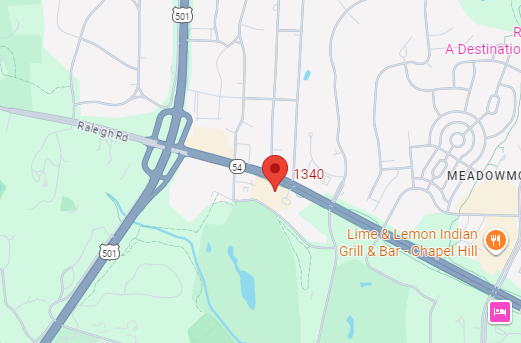
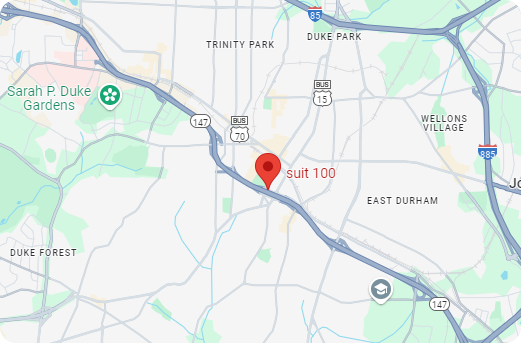
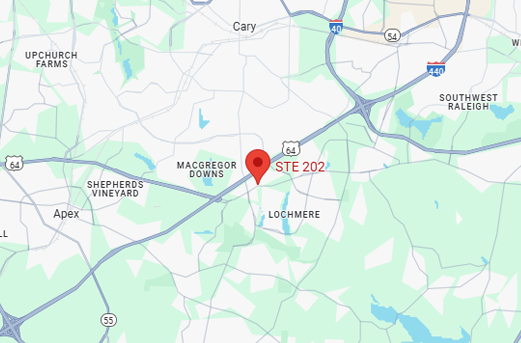
By Patrick Roberts Law – Serving Raleigh, Durham, and Chapel Hill, NC When facing felony charges in North Carolina, understanding the classification system is essential. North Carolina law categorizes felonies into ten different classes, ranging from Class A felonies (the most serious) to Class I felonies (the least severe). Each classification carries different penalties, from probation and fines to life in prison. At Patrick Roberts Law, we provide skilled criminal defense representation for clients facing felony charges in Raleigh, Durham, and Chapel Hill, NC. Whether you're dealing with a Class A violent felony or a Class I white-collar offense, we're prepared to fight for your rights and best outcome. Below you can discover felony classifications in North Carolina, examples of crimes for each, as well as additional considerations that are helpful to know if you or a loved one has been charged with a felony in Wake or Durham County. more Felony Classifications in North Carolina: Felony Class Examples of Crimes Class A (Most Severe) First-degree murder Class B1 Second-degree murder, first-degree sexual offense Class B2 Voluntary manslaughter, drug trafficking (large amounts) Class C Assault with a deadly weapon with intent to kill, armed robbery Class D First-degree arson, voluntary manslaughter Class E Assault inflicting serious bodily injury, habitual breaking and entering Class F Involuntary manslaughter, sexual offenses with minors Class G Second-degree burglary, identity theft Class H Larceny over $1,000, embezzlement, possession of stolen goods Class I (Least Severe) Forgery, possession of controlled substances with intent to distribute Additional Considerations & Eligibilities for Felony Convictions in North Carolina Felony Class Typical Sentence Range Parole Eligibility Expungement? Class A Life without parole or death penalty No parole Not eligible Class B1 25 years to life Limited eligibility Not eligible Class B2 Up to 40 years Possible parole after 15-20 years Not eligible Class C 44 to 182 months Parole possible Not eligible Class D 38 to 160 months Parole after 50% of sentence served Not eligible Class E 15 to 63 months Parole eligibility varies Not eligible Class F 10 to 41 months Parole possible Not eligible Class G 8 to 31 months Parole likely Possible after 10 years Class H 4 to 25 months Parole likely Possible after 5-10 years Class I 3 to 12 months Parole likely Possible after 5 years Factors That Affect Felony Sentencing in North Carolina Prior Criminal Record: North Carolina courts consider prior convictions when determining sentencing. The Structured Sentencing System categorizes prior convictions into different levels, which can increase or reduce penalties. Aggravating and Mitigating Factors: Judges may i ncrease or reduce sentencing based on factors such as: Use of a deadly weapon Injury to the victim Cooperation with law enforcement Lack of prior criminal history 3. Plea Deals and Reduced Charges: In many cases, an experienced criminal defense attorney can negotiate a plea deal, potentially reducing a felony charge to a misdemeanor or securing a more lenient sentence. Felony Defense in Raleigh, Durham, and Chapel Hill If you are facing felony charges in Raleigh, Durham, or Chapel Hill, it is crucial to seek legal representation immediately. A felony conviction can impact your career, housing, and personal freedoms. Patrick Roberts handles cases involving: Drug felonies Violent crimes Theft and property crimes White-collar crimes Sex offenses Homicide and manslaughter Contact a Felony Defense Lawyer in Raleigh-Durham, NC Arrested and charged with a felony in Raleigh, Durham, or Chapel Hill? Contact Patrick Roberts Law for a free case evaluation. He will review your case, explain your legal options, and develop a strong defense strategy to protect your future. Find a Patrick Roberts Law Office Nearest You We have a criminal defense law office near you. Click below to get directions. Raleigh, NC - Directions Cary, NC - Directions Durham, NC - Directions Chapel Hill, NC - Directions

07

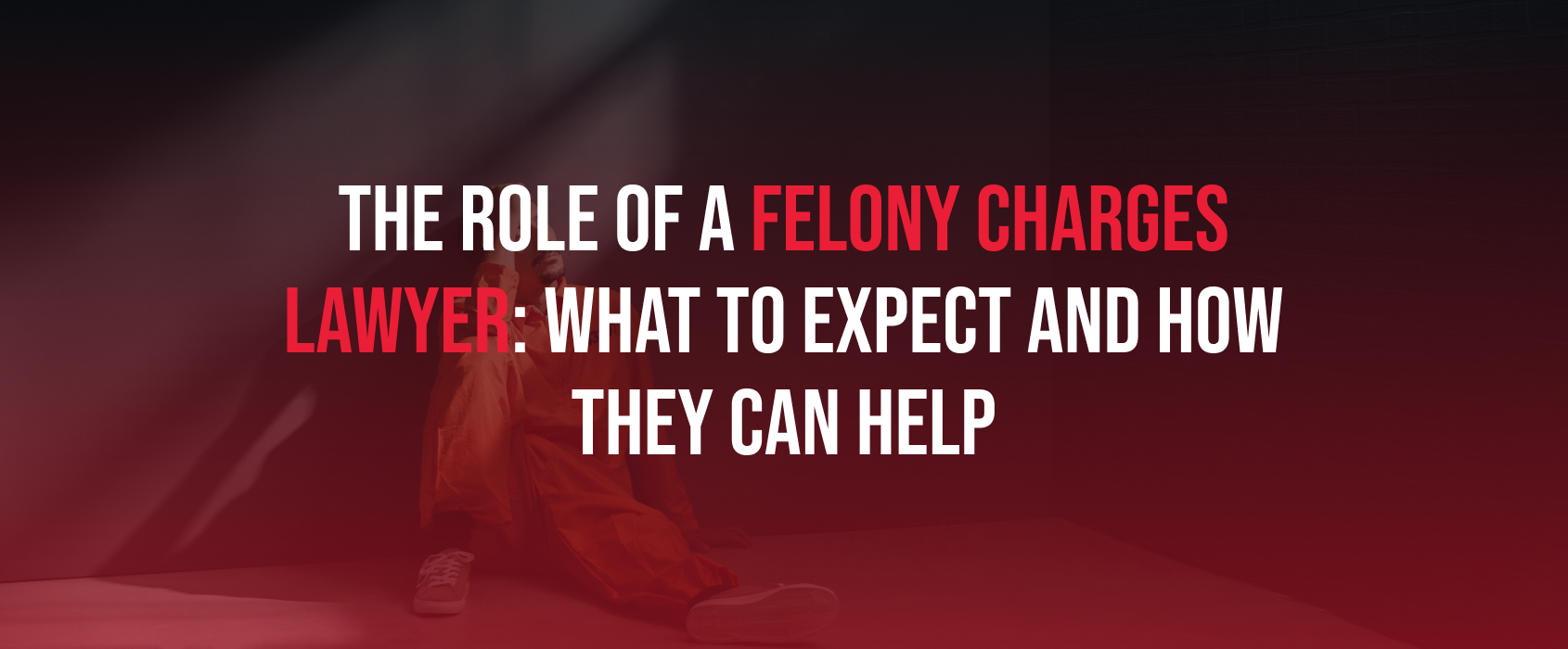
The Role of a Felony Charges Lawyer

The Role of a Felony Charges Lawyer: What to Expect and How They Can Help Dealing with felony charges in North Carolina can be an overwhelming experience that may leave you feeling like your life is falling apart. The legal system can be complex and intimidating, with serious consequences at stake. This is where a felony charges lawyer can make a difference. In this blog post, we will discuss the important role of a felony charges lawyer, what you can anticipate when seeking their assistance, and how they can support you in successfully navigating the legal process. What is a Felony Charges Lawyer? A felony charges lawyer is a legal professional who defends individuals accused of felony offenses. These lawyers have a strong grasp of North Carolina’s criminal laws and procedures and are experienced in handling cases involving serious criminal charges. What to Expect When Working with a Felony Charges Lawyer: When you hire a felony charges lawyer to represent you, you can expect them to provide comprehensive legal support and guidance throughout your case. Here’s what you can expect when working with a felony charges lawyer: Initial Consultation: Your lawyer will meet with you to discuss the details of your case, including the charges against you, any evidence that has been gathered, and your legal rights. During this initial consultation, you’ll have the opportunity to ask questions and discuss your concerns. Case Evaluation: After reviewing the details of your case, your lawyer will conduct a thorough evaluation to assess the strength of the prosecution’s case against you and identify any potential defense strategies. Legal Representation: Your felony charges attorney will serve as your advocate and represent your interests at all stages of the legal process. This includes appearing in court on your behalf, negotiating with prosecutors, and presenting your case to a judge or jury if your case goes to trial. Strategic Defense: Your lawyer will develop a strategic defense strategy tailored to your unique circumstances and the specific allegations against you. This may involve challenging the prosecution’s evidence, negotiating plea agreements, or presenting evidence and witness testimony in your defense. Legal Advice and Guidance: Throughout your case, your lawyer will provide you with legal advice and guidance to help you make informed decisions and understand your options. They’ll explain the potential consequences of different courses of action and work with you to develop a plan that aligns with your goals. Emotional Support: Facing felony charges can be incredibly stressful and emotional. Your lawyer will provide you with support and reassurance throughout the legal process, helping you navigate the challenges and uncertainties you may encounter along the way. How a Felony Charges Lawyer Can Help You: A felony charges lawyer in North Carolina can provide invaluable assistance in defending against serious criminal charges. Here are some ways they can help you: Protecting Your Rights: Your lawyer will ensure that your constitutional rights are protected throughout the legal process, including your right to a fair trial, the right to remain silent, and the right to legal representation. Investigating Your Case: Your lawyer will conduct a thorough investigation to gather evidence, interview witnesses, and uncover any inconsistencies or weaknesses in the prosecution’s case. Negotiating with Prosecutors: Your lawyer will negotiate with prosecutors on your behalf to seek favorable plea agreements or reduced charges that may result in lesser penalties. Presenting Your Case: If your case goes to trial, your lawyer will present evidence, cross-examine witnesses, and make arguments on your behalf to persuade the judge or jury of your innocence. Providing Support and Guidance: Perhaps most importantly, your lawyer will provide you with support and guidance every step of the way, helping you navigate the complexities of the legal system and empowering you to make informed decisions about your case. Conclusion: Being faced with felony charges in Raleigh,  North Carolina can seem overwhelming, but you don’t have to go through it by yourself. With a skilled felony charges attorney by your side, you can count on sound legal advice, support, and guidance to help mount a robust defense and aim for the best possible outcome. If you’re facing felony charges, it’s essential to reach out promptly to an experienced attorney who can guide you through this challenging time and protect your rights. Share:

Contact Us

Fill out this form below and we'll contact you shortly
*Required Fields