Blog

All Criminal Defense Criminal Defense Lawyer Sex Defense Felony Charges Lawyer Drug Charges Sex Defense Lawyer Murder Charges Rape Case Statutory Rape Charges Drug Crimes & Violations Drug Trafficking Violent Crime Domestic Violence Child Exploitation Charges Indecent Liberties North Carolina Criminal Law Sexual Assault North Carolina Law Fentanyl Crimes indecent liberties with a minor Sex Crimes Sex Crimes Defense Sex Offender Registry Sexual exploitantion of minors Meth Trafficking Age of Consent Aggravated Sexual Assault Artificial Intelligence Child Enticement Charges child grooming Child Rape Constitutional Rights & Warrants Criminal Defense & Travel Law Criminal Justice Criminal Law Cybercrime Defense Data Privacy Digital Evidence Entrapment defense False Accusations Family Law Federal Offenses Indecent Exposure Legal Defense Strategies Legal Resources Legal Updates Possession with intent to sell Sex Crimes & Registry Sex Crimes Defense Strategies Sex Offender Registration Requirements Sex Offender Registry Compliance Sex Offense Defense Sexting Laws solicitation of a child by computer Solicitation of a Minor Charge State vs. Federal Laws Statute of Limitations Statutory Sex Offense
Title page with an image of a courthouse, introducing the topic of felony arraignment hearings and what to expect in the process.

What Happens at an Arraignment Hearing for a Felony?

An arraignment is a critical formal court appearance in the felony criminal process in North Carolina. Unlike in some states, in North Carolina's two-tiered court system (N.C.G.S. § 7A-270, § 7A-271), arraignment typically does not occur immediately after arrest. Instead, felony cases begin in District Court with an initial appearance (N.C.G.S. § 15A-601), and if indicted, move to Superior Court where the formal arraignment takes place after discovery (N.C.G.S. § 15A-623, N.C.G.S. § 15A-941). The arraignment is where you are officially notified of the charges against you and informed of your legal rights. more Key Components of a Felony Arraignment Reading of Charges During the arraignment, the judge reads the criminal complaint or indictment aloud. This formal reading: Clearly outlines the felony charges you face. Provides details such as the date, time, and nature of the alleged crime. Ensures you know the specific allegations and the potential penalties involved. This step is crucial because it sets the foundation for your case and ensures you are fully aware of what you are being accused of. Explanation of Your Rights The judge takes the time to explain your constitutional rights during the hearing. In a felony arraignment, you are informed of several important rights, including: The Right to Legal Representation: You have the right to hire a private attorney. If you cannot afford one, the court will appoint a public defender. The Right to Remain Silent: You are advised that you do not need to answer questions or provide statements that might be used against you later. Additional Rights: These may include the right to a speedy trial and, if applicable, the right to a jury trial. This explanation helps ensure that you make informed decisions about your case from the very beginning. Entering Your Plea One of the main functions of the arraignment is to have you enter a plea. The options typically include: Guilty Not Guilty No Contest For felony cases, most defendants enter a “not guilty” plea. This plea does not determine your guilt but initiates the pretrial process and sets the stage for future hearings. By pleading not guilty, you are exercising your right to contest the charges and work with your attorney on building a defense. Bail Determination and Release Conditions During the arraignment, the judge also considers bail. The judge evaluates several factors, such as: The severity of the felony charge. Your prior criminal history. Whether you are considered a flight risk. Based on this assessment, the judge will decide whether to: Release you on bail, Release you on your own recognizance (ROR), or Keep you in custody until your next court appearance. In North Carolina, local practices and the specifics of your case will influence these decisions. It is essential to understand that bail is meant to secure your future court appearances and is not a reflection of your guilt. Scheduling Future Proceedings After you enter your plea and the judge addresses bail, the arraignment hearing concludes with the scheduling of future court dates. These may include: Pretrial Motion Hearings: Hearings where both sides discuss legal arguments and evidence. Preliminary Hearings: Proceedings to determine if there is enough evidence to continue to trial. Trial Dates: The eventual date when your case will be heard in full if you maintain your not guilty plea. Keeping track of these scheduled dates is vital. Missing a court appearance can lead to additional charges and may result in a bench warrant for your arrest. Important Considerations for North Carolina Residents Although the basic steps of a felony arraignment are similar nationwide, North Carolina residents should be aware of a few local factors: Local Court Procedures: Procedures and practices may vary by county. Consulting with a local attorney can help ensure that you understand the nuances of the local court system. Legal Support: Private attorneys in North Carolina are well-versed in local procedures and can provide guidance tailored to your specific case. What to Do If You Miss Your Arraignment Failing to appear at your arraignment hearing can have serious consequences. If you miss your court date: The judge may issue a bench warrant for your arrest. Any bail posted could be forfeited. You may face additional charges, complicating your case further. It is crucial to attend your arraignment and all subsequent court appearances to avoid these risks. Conclusion Understanding what happens at an arraignment hearing for a felony can help you navigate the initial stages of the criminal justice process with confidence. This hearing is your first opportunity to learn about the charges, assert your rights, enter your plea, and set the timeline for your case. By being well-informed—especially if you are based in North Carolina—you can work more effectively with your legal counsel and ensure that you are prepared for the next steps in your defense. If you or a loved one are facing an arraignment hearing for criminal charges, you deserve a legal advocate with the experience and dedication to secure the best possible outcome. Attorney Patrick Roberts of Patrick Roberts Law has successfully defended numerous clients facing the most serious criminal charges. Contact our firm today for a confidential consultation.

'Sexual Battery Meaning in North Carolina.' A distressed woman sits against a wall with a worried expression

Sexual Battery Meaning in North Carolina

If you’re looking to understand the meaning of sexual battery in North Carolina, you’re in the right place. Sexual battery is a serious crime with big consequences. At Patrick Roberts Law, we know how confusing and scary this can be. This guide will explain what sexual battery means under North Carolina law, the penalties you could face, and how a good criminal defense lawyer can help you. What Is Sexual Battery in North Carolina? Sexual battery is a crime defined by North Carolina General Statute § 14-27.33. It happens when someone touches another person in a sexual way without their consent, for the purpose of sexual pleasure or abuse. Unlike more serious crimes like rape, sexual battery usually involves touching without penetration and is considered a Class A1 misdemeanor, the most serious type of misdemeanor in the state. more What Makes It Sexual Battery? To prove sexual battery, the prosecution must show: No Consent (N.C.G.S. § 14-27.33(a)(1)): The touching happened without the other person’s permission. This includes touching private areas like the genitals, breasts, buttocks, or anus, or touching someone with your own private parts. Force or Taking Advantage (N.C.G.S. § 14-27.33(a)(1)-(2)): The touching was either done by force or involved someone who couldn’t consent because they were mentally disabled, passed out, or otherwise unable to say no. Intent (N.C.G.S. § 14-27.33(a)): The person doing the touching did it for sexual pleasure, gratification, or to abuse the other person. Examples of Sexual Battery in North Carolina Sexual battery can happen in many ways. Here are some examples: Grabbing or groping someone’s private areas without their permission. Forcing a kiss or touching someone with your own private parts. Ejaculating or placing bodily fluids on someone without their consent. Any other unwanted sexual touching that fits the legal definition. Even if the act seems small, it can still lead to serious charges. Penalties for Sexual Battery in North Carolina If you’re convicted of sexual battery, the consequences can be life-changing. Here’s what you might face: Criminal Penalties Jail Time (N.C.G.S. § 14-27.33(b), § 15A-1340.23): Up to 150 days in jail, depending on your criminal history. Fines (N.C.G.S. § 15A-1340.23): You may have to pay money as part of your punishment. Probation (N.C.G.S. § 15A-1343): The court might order probation, which means you’ll have to check in with a probation officer and follow certain rules. Sex Offender Registration One of the toughest parts of a sexual battery conviction is having to register as a sex offender. In North Carolina, this means: Your name will be on the North Carolina Sex Offender Registry for 10 to 30 years (N.C.G.S. § 14-208.7), depending on your case. In some cases, you can ask to be removed after 10 years (N.C.G.S. § 14-208.12A). Other Consequences Social Stigma: Being labeled a sex offender can hurt your relationships and job opportunities. Restrictions on Where You Can Live and Work: You might not be allowed to live near schools or daycare centers. Counseling or Treatment: The court might require you to go to counseling or therapy. How Is Sexual Battery Different from Sexual Assault in North Carolina? In North Carolina, the terms sexual battery and sexual assault are often used interchangeably, but they refer to distinct crimes with different legal definitions and penalties. While North Carolina law does not explicitly define "sexual assault" as a standalone crime, it is commonly understood to encompass a range of serious sexual offenses, including rape and other forms of non-consensual penetration. Here’s a breakdown of the key differences: Sexual Battery Definition: Sexual battery is defined under North Carolina General Statute § 14-27.33 as non-consensual sexual contact for the purpose of sexual arousal, gratification, or abuse. This includes touching intimate areas like the genitals, anus, breasts, or buttocks, or touching someone with your own intimate body parts. Severity: It is classified as a Class A1 misdemeanor, the most serious level of misdemeanor in the state. Penalties: Conviction can result in up to 150 days in jail, fines, probation, and mandatory registration on the North Carolina Sex Offender Registry for 10 to 30 years. Sexual Assault Definition: While North Carolina law does not explicitly define "sexual assault," the term is often used to describe more severe sexual crimes, such as rape (N.C.G.S. § 14-27.21, § 14-27.22) or other sexual offenses (N.C.G.S. § 14-27.26, § 14-27.27), which involve non-consensual penetration (vaginal, anal, or oral) or other forms of sexual violence. Severity: These crimes are classified as felonies (N.C.G.S. § 14-27.21(b), § 14-27.22(b), § 14-27.26(b), § 14-27.27(b)), which carry much harsher penalties than misdemeanors. Penalties: Depending on the specific offense, penalties can range from several years in prison to life imprisonment (N.C.G.S. § 14-27.23(b)-(c), § 14-27.28(b)-(c)), especially in cases involving children or the use of force. Defenses Against Sexual Battery Charges If you’re accused of sexual battery, you need a good lawyer to help you fight the charges. Here are some possible defenses: Consent: Arguing that the other person agreed to the contact. But this won’t work if they were unable to consent, like if they were drunk or passed out. Accidental Contact: Showing that the touching was not on purpose. No Sexual Intent: Proving that the act wasn’t done for sexual reasons. False Accusations: Showing that the accusation is untrue or made up for revenge or other reasons. A skilled lawyer can help you figure out the best defense for your case. Why You Need a North Carolina Criminal Defense Attorney Facing sexual battery charges is scary, but you don’t have to go through it alone. A good lawyer can: Look into the facts of your case and find evidence to help you. Challenge the prosecution’s case. Talk to the prosecutors to try to reduce or drop the charges. Stand up for you in court and fight for the best outcome. At Patrick Roberts Law, we’ve helped many people facing sexual battery charges in North Carolina. We know the law and will work hard to protect your rights and future. Contact Us for a Free Consultation If you or a loved one is facing sexual battery charges, you deserve a legal advocate with the experience and dedication to secure the best possible outcome. Attorney Patrick Roberts of Patrick Roberts Law has successfully defended numerous clients facing sexual battery charges. Contact our firm today for a confidential consultation.

Title slide comparing statutory rape vs. rape in North Carolina, with a distressed person covering their face.

Statutory Rape vs. Rape in North Carolina

When it comes to sexual offenses, understanding the difference between statutory rape vs. rape is crucial, especially if you or someone you know is facing criminal charges in North Carolina. These two crimes, while related, have distinct legal definitions, consequences, and defenses. At Patrick Roberts Law, we are dedicated to defending clients against these serious charges and are committed to providing clear, accurate information to help you navigate the complexities of North Carolina’s criminal justice system. more In this guide, we’ll explore the key differences between statutory rape and rape, explain how North Carolina law defines these offenses, and discuss what you need to know if you’re facing charges. Our goal is to leave you with as few unanswered questions as possible while ensuring the information is accessible and easy to understand. What Is Statutory Rape in North Carolina? Statutory rape is a specific type of sexual offense that involves sexual activity with a person who is below the legal age of consent. In North Carolina, it is defined under Chapter 14, Article 7B of the North Carolina General Statutes (N.C.G.S. § 14-27.23 through § 14-27.25). Individuals must be at least 16 to consent. This means that even if the minor appears to consent to the sexual activity, the law considers them incapable of giving legal consent due to their age. Key Elements of Statutory Rape Age of Consent (N.C.G.S. § 14-27.25): In North Carolina, individuals can consent at 16. Sexual activity with anyone under 16 is considered statutory rape, regardless of whether the minor appeared to consent. Strict Liability: Statutory rape is often a strict liability crime. This means that the perpetrator’s intent or knowledge of the victim’s age is irrelevant. If the victim is underage, the act is illegal. Romeo and Juliet Laws: North Carolina law includes close-in-age exemptions ( N.C. Gen. Stat. §§ 14-27.24, 14-27.25) for consensual relationships where the age difference is no more than four years. For example, an 18-year-old and a 15-year-old may qualify for reduced charges. Example of Statutory Rape A 21-year-old has consensual sex with a 15-year-old. Despite the minor’s apparent agreement, this is statutory rape. Because the age difference exceeds six years, the perpetrator could face a Class B1 felony (12–30 years in prison) under N.C. Gen. Stat. §§ 14-27.25 What Is Rape in North Carolina? Rape, on the other hand, involves non-consensual sexual activity. It is also defined under Chapter 14, Article 7B of the North Carolina General Statutes (N.C.G.S. § 14-27.23 through § 14-27.25). Unlike statutory rape, the victim’s age is not the primary factor. Instead, the lack of consent is the defining element of the crime. Rape can involve force, threats, or the victim’s inability to consent due to factors like intoxication or unconsciousness. Key Elements of Rape Lack of Consent (N.C.G.S. § 14-27.20(1a)): The victim does not agree to the sexual activity or is unable to give consent. Force or Coercion (N.C.G.S. § 14-27.21(a), § 14-27.22(a)): Rape often involves physical force, threats, or manipulation to compel the victim. Aggravating Factors (N.C.G.S. § 14-27.21(a)(1)-(3)): North Carolina law specifies three statutory aggravating factors that elevate forcible rape to first-degree status: Weapon Use (N.C.G.S. § 14-27.21(a)(1)) Applies when the perpetrator "uses, threatens to use, or displays a dangerous or deadly weapon" Includes situations where the victim reasonably believes an object is a dangerous weapon No requirement that the weapon actually be used to inflict injury Serious Personal Injury (N.C.G.S. § 14-27.21(a)(2)) Involves infliction of serious bodily harm to the victim or another person Courts have interpreted this to include both physical and psychological injuries that exceed the harm inherent in the offense itself May include injuries requiring medical attention or resulting in prolonged impairment Multiple Perpetrators (N.C.G.S. § 14-27.21(a)(3)) Occurs when the offense is committed "aided and abetted by one or more other persons" Applies regardless of whether accomplices are charged or convicted Reflects the heightened trauma and reduced ability to resist when multiple assailants are involved The presence of any single aggravating factor is sufficient to elevate the offense to first-degree status. These statutory factors play a critical role in charging decisions and significantly impact potential penalties, moving the offense to the more severe Class B1 felony classification with substantially longer prison terms. Example of Rape A person enters a home uninvited while the resident is sleeping and forces them to engage in sexual intercourse despite their verbal objections and resistance. This would constitute first-degree forcible rape under N.C.G.S. § 14-27.21, especially if the perpetrator displayed a weapon or was aided by another person. Statutory Rape vs. Rape: Key Differences Understanding the distinction between these two crimes is essential for building a strong defense. Here’s a detailed breakdown of the key differences: Consent Statutory Rape: The minor cannot legally consent, even if they appear to agree. Rape: The victim does not consent or is unable to consent. Age of Victim Statutory Rape: The victim is below the legal age of consent (under 16 in North Carolina). Rape: The victim can be any age. Force or Coercion Statutory Rape: Not required; the act itself is illegal due to the victim's age. Rape: Typically involves force, threats, or coercion. Intent Statutory Rape: No intent required; strict liability based on age. Rape: Requires intent to engage in non-consensual activity. Penalties Statutory Rape: Class B1 or C felony, depending on age difference. Rape: Always a Class B1 felony (12–30 years), with harsher penalties for aggravating factors. Penalties for Statutory Rape and Rape in North Carolina Both statutory rape and rape are felony offenses in North Carolina, but the penalties vary depending on the circumstances of the case. Statutory Rape Penalties Class B1 Felony (N.C.G.S. § 14-27.25(a)): Applies if the perpetrator is six or more years older than a victim under 16. Punishable by 12 years - life in prison. Class C Felony (N.C.G.S. § 14-27.25(b)): Applies if the perpetrator is 4–6 years older than a victim aged 13–15. Punishable by 5–19 years in prison. Rape Penalties Class B1 Felony (N.C.G.S. § 14-27.21(b), § 14-27.22(b)): Rape is also a Class B1 felony in North Carolina, punishable by 12–30 years in prison. Aggravating factors can lead to even harsher sentences. In addition to prison time, both crimes require the offender to register as a sex offender (Article 27A of Chapter 14), which can have long-lasting consequences on employment, housing, and personal relationships. Defenses for Statutory Rape and Rape Charges If you’re facing charges, it’s important to work with an experienced criminal defense attorney who can explore potential defenses. Some common defenses include: For Statutory Rape Romeo and Juliet Exemptions: Proving the age difference is four years or less. Lack of Evidence: Challenging the prosecution’s evidence, such as proving the victim was not underage. Marital Exemption: North Carolina recognizes exceptions for consensual sex between married couples, even if one spouse is under 16. Note: Statutory rape is a strict liability offense. Additionally, mistaken belief about the victim’s age is not a valid defense under North Carolina law. For Rape Consent: Arguing that the sexual activity was consensual. False Accusations: Demonstrating that the allegations are false or motivated by ulterior motives. Why You Need a North Carolina Criminal Defense Attorney Facing charges for statutory rape or rape is a life-altering situation. The stakes are high, and the legal process can be overwhelming. At Patrick Roberts Law, we have the experience to: Investigate the details of your case. Challenge the prosecution’s evidence. Build a strong defense tailored to your situation. Advocate for your rights in court. Contact Patrick Roberts Law Today If you or a loved one are facing charges for statutory rape or rape, you deserve a legal advocate with the experience and dedication to secure the best possible outcome. Attorney Patrick Roberts of Patrick Roberts Law has successfully defended numerous clients facing rape charges. Contact our firm today for a confidential consultation.

Criminal Defense in Raleigh, NC

Guide to Felony Classifications in North Carolina

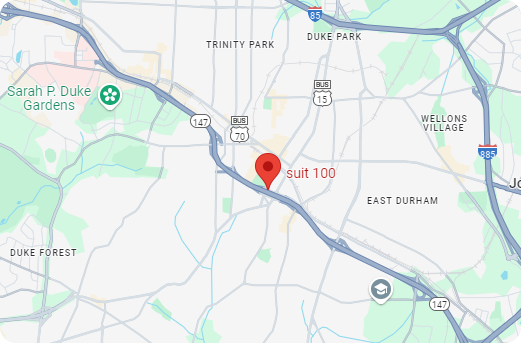
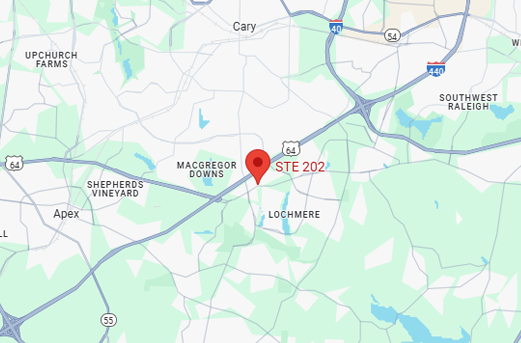
By Patrick Roberts Law – Serving Raleigh, Durham, and Chapel Hill, NC When facing felony charges in North Carolina, understanding the classification system is essential. North Carolina law categorizes felonies into ten different classes, ranging from Class A felonies (the most serious) to Class I felonies (the least severe). Each classification carries different penalties, from probation and fines to life in prison. At Patrick Roberts Law, we provide skilled criminal defense representation for clients facing felony charges in Raleigh, Durham, and Chapel Hill, NC. Whether you're dealing with a Class A violent felony or a Class I white-collar offense, we're prepared to fight for your rights and best outcome. Below you can discover felony classifications in North Carolina, examples of crimes for each, as well as additional considerations that are helpful to know if you or a loved one has been charged with a felony in Wake or Durham County. more Felony Classifications in North Carolina: Felony Class Examples of Crimes Class A (Most Severe) First-degree murder Class B1 Second-degree murder, first-degree sexual offense Class B2 Voluntary manslaughter, drug trafficking (large amounts) Class C Assault with a deadly weapon with intent to kill, armed robbery Class D First-degree arson, voluntary manslaughter Class E Assault inflicting serious bodily injury, habitual breaking and entering Class F Involuntary manslaughter, sexual offenses with minors Class G Second-degree burglary, identity theft Class H Larceny over $1,000, embezzlement, possession of stolen goods Class I (Least Severe) Forgery, possession of controlled substances with intent to distribute Additional Considerations & Eligibilities for Felony Convictions in North Carolina Felony Class Typical Sentence Range Parole Eligibility Expungement? Class A Life without parole or death penalty No parole Not eligible Class B1 25 years to life Limited eligibility Not eligible Class B2 Up to 40 years Possible parole after 15-20 years Not eligible Class C 44 to 182 months Parole possible Not eligible Class D 38 to 160 months Parole after 50% of sentence served Not eligible Class E 15 to 63 months Parole eligibility varies Not eligible Class F 10 to 41 months Parole possible Not eligible Class G 8 to 31 months Parole likely Possible after 10 years Class H 4 to 25 months Parole likely Possible after 5-10 years Class I 3 to 12 months Parole likely Possible after 5 years Factors That Affect Felony Sentencing in North Carolina Prior Criminal Record: North Carolina courts consider prior convictions when determining sentencing. The Structured Sentencing System categorizes prior convictions into different levels, which can increase or reduce penalties. Aggravating and Mitigating Factors: Judges may i ncrease or reduce sentencing based on factors such as: Use of a deadly weapon Injury to the victim Cooperation with law enforcement Lack of prior criminal history 3. Plea Deals and Reduced Charges: In many cases, an experienced criminal defense attorney can negotiate a plea deal, potentially reducing a felony charge to a misdemeanor or securing a more lenient sentence. Felony Defense in Raleigh, Durham, and Chapel Hill If you are facing felony charges in Raleigh, Durham, or Chapel Hill, it is crucial to seek legal representation immediately. A felony conviction can impact your career, housing, and personal freedoms. Patrick Roberts handles cases involving: Drug felonies Violent crimes Theft and property crimes White-collar crimes Sex offenses Homicide and manslaughter Contact a Felony Defense Lawyer in Raleigh-Durham, NC Arrested and charged with a felony in Raleigh, Durham, or Chapel Hill? Contact Patrick Roberts Law for a free case evaluation. He will review your case, explain your legal options, and develop a strong defense strategy to protect your future. Find a Patrick Roberts Law Office Nearest You We have a criminal defense law office near you. Click below to get directions. Raleigh, NC - Directions Cary, NC - Directions Durham, NC - Directions Chapel Hill, NC - Directions

The Importance of Confidentiality and Privacy in Indecent Liberties Cases

Facing charges for indecent liberties is an incredibly stressful and sensitive situation. The nature of these charges—often involving serious allegations of inappropriate behavior or misconduct—makes confidentiality and privacy crucial aspects of the legal process. This blog will explore why maintaining confidentiality and privacy is vital in indecent liberties cases and how it can impact the outcome of your case. Why Confidentiality and Privacy Matter 1. Protecting Personal Reputation One of the most immediate impacts of an indecent liberties charge is the potential damage to your personal and professional reputation: Social Stigma: Indecent liberties charges can carry significant social stigma, affecting how you are perceived by family, friends, and the community. Professional Impact: A publicized case can jeopardize your career, as many employers are reluctant to hire individuals with serious criminal charges especially those involving minors. Maintaining confidentiality helps protect your reputation and reduce the risk of public judgment and professional repercussions. 2. Ensuring a Fair Trial Confidentiality plays a crucial role in ensuring that your trial is fair: Avoiding Prejudice: Public exposure can lead to bias, where potential jurors or witnesses might form opinions before hearing the evidence in court. Protecting the Integrity of the Case: Ensuring that sensitive details are not leaked to the public helps maintain the integrity of the legal process and protects the rights of the accused. Privacy helps prevent external factors from influencing the outcome of the case, allowing for a more impartial trial. 3. Safeguarding Personal Information In indecent liberties cases, personal information and sensitive details can be highly vulnerable: Preventing Misuse of Information: Confidentiality helps prevent the misuse or exploitation of personal information, which could be used to damage your reputation or intimidate you. Protecting Victims and Witnesses: In cases involving minors or vulnerable individuals, privacy is crucial to protect their identities and avoid further trauma. Keeping personal and case-related information confidential ensures that all parties involved are safeguarded against unnecessary harm. How Confidentiality and Privacy Are Maintained 1. Legal Protections Several legal protections exist to maintain confidentiality in criminal cases: Gag Orders: Courts can issue gag orders to prevent parties involved from discussing the case publicly. Sealed Records: In some instances, records related to the case can be sealed to prevent public access. These legal measures help limit the dissemination of information and protect the privacy of those involved. 2. Role of Your Defense Lawyer Your defense lawyer plays a critical role in maintaining confidentiality and privacy: Handling Sensitive Information: A skilled attorney will handle all case-related information with the utmost confidentiality, ensuring that it is only shared with authorized parties. Strategic Communication: Your lawyer will manage communications with the media and other parties to prevent any public disclosure of sensitive details. By working closely with your lawyer, you can ensure that your case is handled discreetly and professionally. 3. Precautions to Take There are practical steps you can take to protect your privacy during a case: Limit Public Disclosures: Avoid discussing the case on social media or with individuals outside your legal team. Follow Legal Advice: Adhere to the guidance provided by your attorney regarding communication and documentation. Taking these precautions helps maintain confidentiality and protects your interests throughout the legal process. Conclusion The importance of confidentiality and privacy in indecent liberties cases cannot be overstated. Protecting your reputation, ensuring a fair trial, and safeguarding personal information are crucial aspects of navigating these challenging allegations. By understanding the role of confidentiality and taking appropriate measures, you can help mitigate the potential negative impacts of the charges. If you’re facing indecent liberties charges, working with an experienced criminal defense lawyer is essential. They can provide guidance, protect your privacy, and ensure that your case is handled with the utmost discretion. Contact a knowledgeable criminal defense attorney today to discuss how you can maintain confidentiality and protect your rights throughout the legal process. Your privacy and future are too important to leave to chance—get the professional help you need to navigate your case effectively.

Can I Beat Indecent Liberties Charges?

Facing charges for indecent liberties is a serious and distressing situation. These charges, often associated with sexual misconduct or inappropriate behavior with minors, carry significant legal and social consequences. If you're wondering whether you can beat indecent liberties charges, it's crucial to understand the nature of the offense, the legal defenses available, and the role of a skilled defense lawyer in navigating this challenging situation. In this blog, we’ll explore the ins and outs of indecent liberties charges and how you might effectively contest them. Understanding Indecent Liberties Charges What Are Indecent Liberties Charges? Indecent liberties charges generally involve allegations of inappropriate or unlawful sexual behavior, particularly with minors. In North Carolina, this crime is taken very seriously and is categorized under sexual offenses. Key aspects of these charges include: Nature of the Offense: Indecent liberties charges can include actions such as lewd touching or exposing oneself to a minor. Severity: The severity of these charges depends on the specifics of the alleged behavior and the age of the victim. Legal Implications Criminal Record: A conviction can result in a permanent criminal record, which impacts future employment and personal relationships. Penalties: Penalties can include lengthy prison sentences, registration as a sex offender, and substantial fines. Can You Beat Indecent Liberties Charges? Building a Strong Defense The possibility of beating indecent liberties charges largely depends on the strength of your defense strategy. Here’s how you can work towards a favorable outcome: 1. Challenge the Evidence One of the first steps in building a defense is to scrutinize the evidence against you: Assessing Evidence: Your lawyer will review all evidence presented by the prosecution, including witness statements, forensic evidence, and any digital evidence. Identifying Weaknesses: Any inconsistencies or errors in the evidence can be challenged to weaken the prosecution's case. 2. Dispute the Credibility of Accusers In some cases, the credibility of the accusers may be challenged: Motives: Your defense lawyer might investigate potential motives for false accusations, such as personal disputes or misunderstandings. Cross-Examination: During the trial, your attorney can cross-examine accusers to highlight inconsistencies in their testimonies. 3. Present an Alibi If you have evidence that proves you were not at the location where the alleged incident occurred, presenting an alibi can be a powerful defense: Witness Testimonies: Collect statements from witnesses who can confirm your whereabouts during the time of the alleged offense. Documentation: Provide any supporting documentation, such as surveillance footage or time-stamped records. 4. Explore Legal Defenses Several legal defenses might apply depending on the specifics of your case: False Allegations: Demonstrating that the charges are based on false allegations or misunderstandings can be part of your defense strategy. The Role of a Defense Lawyer Why You Need an Experienced Criminal Defense Attorney An experienced defense lawyer plays a critical role in contesting indecent liberties charges: 1. Skilled Guidance Legal Knowledge: A skilled lawyer has in-depth knowledge of sexual offense laws and can provide guidance on your defense strategy. Case Evaluation: They will evaluate the strengths and weaknesses of your case, helping to formulate an effective defense. 2. Negotiation Skills Plea Bargaining: If a trial seems unfavorable, your attorney can negotiate a plea deal to potentially reduce the charges or the severity of the penalties. Mitigating Factors: Your lawyer can present mitigating factors to reduce the impact of the charges or seek alternative sentencing options. 3. Representation in Court Defense Presentation: Your attorney will present your defense in court, arguing on your behalf and countering the prosecution’s claims. Legal Advocacy: They will advocate for your rights throughout the legal process, ensuring a fair trial and protecting your interests. Conclusion Beating indecent liberties charges is challenging but not impossible. With a strong defense strategy, a thorough examination of evidence, and the guidance of an experienced criminal defense lawyer, you can work towards a favorable outcome. If you or someone you know is facing these serious charges, seeking professional legal assistance is essential to navigate the complexities of the legal system and protect your rights. Contact a skilled criminal defense attorney today to discuss your case and explore your options. Your future is too important to leave to chance—get the help you need to address these charges effectively and work towards the best possible resolution.

How a Felony Charges Lawyer Can Help Reduce Your Sentence in North Carolina

Facing felony charges in North Carolina can be a life-altering experience. Felonies are serious offenses that carry severe penalties, including long prison sentences, substantial fines, and long-term repercussions on your personal and professional life. If you’re dealing with felony charges, it’s crucial to understand how a dedicated felony charges lawyer can assist in reducing your sentence and navigating the complex legal landscape. In this blog, we’ll explore the various ways an experienced criminal defense attorney can help reduce your sentence and improve your chances of a favorable outcome. The Impact of Felony Charges Understanding Felony Charges Felony charges are classified based on the severity of the crime, with potential penalties varying according to the offense. Common felonies in North Carolina include: Drug Trafficking: Involves the illegal distribution or sale of controlled substances. Burglary: Entering a building unlawfully with the intent to commit a crime. Robbery: Using force or intimidation to steal from someone. Assault: Inflicting serious harm or threatening another person with harm. Each felony charge comes with its own set of legal consequences, and the penalties can range from several years in prison to life sentences. Given the gravity of these charges, seeking legal assistance is crucial. How a Felony Charges Lawyer Can Help 1. Assessing the Strength of the Case An experienced felony charges lawyer will start by thoroughly evaluating the details of your case: Evidence Review: They will examine all evidence against you, including police reports, witness statements, and forensic evidence, to determine if there are any weaknesses in the prosecution’s case. Legal Analysis: The lawyer will analyze the legal aspects of your case to identify any procedural errors or violations of your rights that could impact the outcome. 2. Developing a Strategic Defense Plan A well-crafted defense strategy can significantly influence the outcome of your case: Building a Defense: Based on their assessment, your lawyer will develop a defense strategy tailored to your specific circumstances. This might include challenging the legality of evidence, arguing self-defense, or presenting alibi witnesses. Negotiating Plea Deals: If a conviction seems likely, your lawyer can negotiate a plea deal with the prosecution. This may involve pleading guilty to a lesser charge or agreeing to a reduced sentence in exchange for cooperation. 3. Mitigating Factors and Sentencing Alternatives Even if a conviction is unavoidable, your lawyer can work to minimize the impact: Presenting Mitigating Factors: Your attorney will present any mitigating factors that could lead to a reduced sentence. These might include your lack of prior criminal history, demonstrated remorse, or participation in rehabilitation programs. Exploring Sentencing Alternatives: Depending on the circumstances, your lawyer might seek alternative sentencing options, such as probation, community service, or drug treatment programs, rather than incarceration. 4. Advocating for Reduced Sentences A skilled lawyer can advocate for a more favorable sentence by: Arguing for Leniency: They can present arguments to the court for leniency based on your personal circumstances and efforts toward rehabilitation. Negotiating with Prosecutors: An experienced attorney can negotiate with prosecutors to secure a more favorable plea deal or sentencing recommendation. 5. Handling Appeals and Post-Conviction Relief If you’ve already been convicted, your lawyer can assist with post-conviction relief: Appeals: If there are grounds for an appeal, your lawyer can file an appeal to challenge the conviction or sentence based on legal errors or new evidence. Choosing the Right Felony Charges Lawyer Experience and Skill When selecting a felony charges lawyer, consider: Substantial Experience: Look for an attorney who works exclusively in criminal defense and has experience handling felony cases similar to yours. Track Record: Review their track record of successful outcomes, including reduced sentences or favorable plea deals. Personal Rapport Communication: Choose a lawyer who communicates clearly and is responsive to your needs and concerns. Trust and Comfort: Ensure you feel comfortable working with the lawyer and trust their judgment and advice. Conclusion Facing felony charges in North Carolina is a serious matter, but with the help of a skilled felony charges lawyer, you can work towards reducing your sentence and achieving a more favorable outcome. An experienced attorney can assess the strength of your case, develop a strategic defense, advocate for reduced penalties, and assist with post-conviction relief. If you’re dealing with felony charges, don’t navigate the legal system alone. Contact a knowledgeable criminal defense lawyer today to discuss your case and explore your options for reducing your sentence. Your future is too important to leave to chance—get the professional help you need to protect your rights and work towards the best possible resolution. Feel free to reach out for a consultation and take the first step towards securing a more favorable outcome for your case.

Understanding Cocaine Trafficking Charges

What is Cocaine Trafficking? Cocaine trafficking involves the illegal distribution, sale, or transportation of cocaine. Under North Carolina law, trafficking is a serious felony offense that is defined by the amount of cocaine involved and the nature of the activity. The law distinguishes between various levels of trafficking based on the quantity of the drug, which impacts the severity of the charges and penalties. Legal Definitions and Penalties In North Carolina, cocaine trafficking charges are categorized as follows: Trafficking by Amount: The severity of trafficking charges is based on the amount of cocaine involved. North Carolina law sets specific thresholds for trafficking charges, including: 28 to 200 grams: Class G felony 200 to 400 grams: Class F felony More than 400 grams: Class D felony Penalties: The penalties for cocaine trafficking are severe and can include: Prison Sentences: Sentences range from several years to life imprisonment, depending on the amount of cocaine and the specifics of the case. Fines: Large fines may be imposed in addition to prison time. Asset Forfeiture: The government may seize assets believed to be connected to drug trafficking activities. How a Criminal Defense Lawyer Can Help 1. Assessing the Charges A criminal defense lawyer plays a crucial role in evaluating the charges against you: Case Evaluation: An experienced lawyer will thoroughly review the evidence and circumstances of your case to understand the strengths and weaknesses of the prosecution's case. Legal Advice: They will provide advice on the potential outcomes, including whether to plead guilty or proceed to trial, based on their assessment of the evidence and legal options. 2. Challenging Evidence A key aspect of defending against cocaine trafficking charges involves challenging the evidence presented by the prosecution: Investigating Evidence: Your lawyer will investigate how the evidence was obtained, including whether law enforcement followed proper procedures during searches and seizures. Forensic Analysis: They may challenge the accuracy of forensic evidence, such as drug testing results, to ensure that the evidence used against you is reliable and admissible. Witness Testimonies: Evaluating the credibility of witnesses and their testimonies can be critical in undermining the prosecution's case. 3. Negotiating Plea Deals In many cases, negotiating a plea deal can be a strategic way to achieve a more favorable outcome: Plea Bargains: Your lawyer can negotiate with prosecutors to secure a plea deal that might reduce the charges or penalties you face. This can be particularly useful if the evidence against you is strong, and a conviction is likely. Mitigating Factors: They will present mitigating factors, such as lack of prior criminal history or involvement in rehabilitation programs, to negotiate a reduced sentence or alternative sentencing options. 4. Preparing for Trial If your case proceeds to trial, a skilled defense lawyer will: Develop a Defense Strategy: They will create a robust defense strategy tailored to the specifics of your case, including presenting evidence and arguments to challenge the prosecution’s claims. Cross-Examine Witnesses: Effective cross-examination of witnesses can reveal inconsistencies or biases, weakening the prosecution's case. Present Your Case: Your lawyer will present evidence and arguments in your favor, aiming to create reasonable doubt in the minds of the jury. 5. Protecting Your Rights Throughout the legal process, a criminal defense lawyer ensures that your rights are protected: Legal Representation: They will advocate for you in court, ensuring that your rights are upheld and that you receive a fair trial. Guidance and Support: Providing support and guidance throughout the legal process helps alleviate the stress and confusion associated with facing serious criminal charges. Conclusion Cocaine trafficking charges in Charlotte, NC, are serious and carry severe legal consequences. If you are facing such charges, it is essential to have an experienced criminal defense lawyer by your side. With over 20 years of experience in defending clients against drug trafficking charges, I can provide the skill and support needed to navigate this complex legal situation. From assessing the charges and challenging evidence to negotiating plea deals and preparing for trial, a skilled defense attorney plays a critical role in achieving the best possible outcome for your case. If you or someone you know is facing cocaine trafficking charges, seeking the assistance of a knowledgeable criminal defense lawyer is crucial to protecting your rights and working towards a favorable resolution.

Can I Beat a Murder Charge in North Carolina?

Facing a murder charge in North Carolina is a daunting and highly serious legal challenge. The potential consequences of a conviction are severe, including lengthy prison sentences, hefty fines, and a permanent criminal record. If you or someone you know is accused of murder, it is essential to understand your options and the role that a skilled murder charges lawyer can play in navigating this complex legal terrain. This blog will provide an overview of how you might contest a murder charge and why having an experienced attorney is crucial. Understanding Murder Charges in North Carolina Types of Murder Charges In North Carolina, murder charges are categorized based on the intent and circumstances of the crime: First-Degree Murder: This charge involves premeditation and deliberation, meaning the crime was planned and carried out with intent to kill. It is the most serious form of murder and can lead to life imprisonment or even the death penalty. Second-Degree Murder: This type of murder occurs without premeditation but involves intent to kill or extreme recklessness. It is still a felony but carries different sentencing options compared to first-degree murder. Voluntary Manslaughter: This charge involves an unlawful killing that occurs in the heat of passion or due to extreme provocation. It is considered less severe than murder but still carries significant penalties. Involuntary Manslaughter: This involves an unintentional killing that results from reckless or negligent behaviour, without the intent to kill. Legal Consequences Convictions for murder in North Carolina come with severe legal repercussions: First-Degree Murder: Penalties include life imprisonment without parole, or the death penalty, depending on the circumstances and legal outcomes. Second-Degree Murder: Sentences can be substantial but generally less severe than those for first-degree murder. Manslaughter: Voluntary and involuntary manslaughter convictions lead to long prison terms, but typically less severe than murder convictions. Strategies to Challenge a Murder Charge While beating a murder charge is challenging, several legal strategies can be employed to contest the charges effectively: 1. Proving Self-Defense To successfully claim self-defense, you must demonstrate: Imminent Threat: You faced an immediate threat of harm that justified your actions. Proportional Response: Your response was reasonable and proportional to the threat. Reasonable Belief: You had a genuine belief that using force was necessary to protect yourself. 2. Challenging Evidence An experienced attorney will scrutinize the evidence against you: Validity of Evidence: Ensure that evidence was obtained legally and handled properly. Forensic Evidence: Challenge the accuracy of forensic evidence such as DNA, fingerprints, or ballistics if there are doubts about its validity. Witness Testimonies: Assess the credibility and reliability of witnesses to ensure their testimonies are trustworthy. 3. Alibi Defense An alibi defense involves proving that you were not present at the crime scene. To establish a strong alibi: Present Evidence: Provide evidence such as surveillance footage, receipts, or witness testimony that supports your whereabouts at the time of the crime. Consistent Story: Ensure that your alibi is consistent and supported by reliable evidence. 4. Mental State Defense In some cases, arguing that you were not in a sound mental state at the time of the crime may be effective: Insanity Defense: Prove that you were unable to understand the nature of your actions or distinguish between right and wrong due to a severe mental illness. Diminished Capacity: Show that while you were not legally insane, your mental state impaired your ability to form intent. 5. Proving Lack of Intent For first-degree murder, proving that there was no premeditation or intent to kill can lead to reduced charges: Unintentional Killing: Demonstrate that the killing was accidental or occurred in a context that did not involve deliberate planning. The Role of an Experienced Murder Charges Lawyer Dynamic Legal Guidance An experienced murder charges lawyer provides crucial insight in: Evaluating Evidence: Assessing the strengths and weaknesses of the prosecution’s case and developing an effective defense strategy. Negotiating Plea Deals: Negotiating with prosecutors to reach a plea deal that might reduce the charges or penalties. Representing in Court: Presenting a compelling defense, cross-examining witnesses, and challenging evidence in court. Support Throughout the Process A skilled attorney also offers: Emotional Support: Providing reassurance and guidance through the legal process, helping to alleviate some of the stress and anxiety associated with facing such serious charges. Navigating Legal Procedures: Managing the complexities of legal procedures and paperwork to ensure your rights are protected and the legal process is handled efficiently. Conclusion Beating a murder charge in North Carolina is a complex and challenging endeavor, but with the right legal strategies and an experienced murder charges lawyer, it is possible to mount a robust defense. Understanding the nature of the charges, exploring effective legal defenses, and having skilled representation can significantly influence the outcome of your case. If you or someone you know is facing a murder charge, seeking the assistance of a knowledgeable criminal defense attorney is crucial. Their experience can help navigate the intricacies of the legal system, protect your rights, and work towards achieving the best possible resolution for your case.

Common Violent Crimes in North Carolina: Understanding and Addressing the Issues

Violent crimes are serious offenses that involve the use of force or the threat of force against another person. In North Carolina, these crimes can have severe consequences for both the victims and the perpetrators. Understanding the different types of violent crimes prevalent in the state is crucial for raising awareness, ensuring justice, and fostering community safety. This blog explores common violent crimes in North Carolina, their implications, and the importance of addressing these issues effectively. Types of Common Violent Crimes in North Carolina 1. Assault and Battery Overview Assault and battery are among the most frequently encountered violent crimes. Assault refers to the intentional threat of harm or an attempt to cause physical injury, while battery involves the actual physical contact or harm inflicted on another person. Types of Assault and Battery Simple Assault: This involves threatening or attempting to cause harm without physical contact. It is often classified as a misdemeanor. Aggravated Assault: This involves causing serious bodily harm or using a deadly weapon. It is typically classified as a felony. Battery: Physical contact with the intent to harm or offensive touching, often leading to charges of assault and battery. Legal Consequences Penalties for assault and battery can range from fines and probation to prison time, depending on the severity of the offense and whether it is classified as a misdemeanor or felony. 2. Robbery Overview Robbery is the crime of using force or intimidation to take property or money from another person. Unlike theft, which is non-violent, robbery involves direct confrontation and the use of force or threats. Types of Robbery Armed Robbery (Robbery With A Deadly Weapon): Involves the use or display of a weapon during the robbery. This is considered a serious felony and carries severe penalties. Strong-Arm Robbery (Common Law Robbery): Involves using physical force without a weapon. This is also a felony but may carry different sentencing guidelines compared to armed robbery. Legal Consequences Robbery charges can lead to substantial prison sentences, fines, and restitution to the victims. The severity of the punishment often depends on the use of weapons and the degree of violence involved. 3. Homicide Overview Homicide is the unlawful killing of another person and is classified into several categories based on intent and circumstances. It is one of the most serious violent crimes and can have lifelong consequences. Types of Homicide Murder: The intentional killing of another person with premeditation. It is classified into degrees (first-degree, second-degree) with varying penalties. Manslaughter: The unlawful killing of another person without premeditation. It is divided into voluntary manslaughter (in the heat of passion) and involuntary manslaughter (unintentional killing resulting from reckless behavior). Legal Consequences Homicide convictions can result in severe penalties, including life imprisonment or the death penalty in some cases. The specific sentence depends on the degree of the crime and the presence of mitigating or aggravating factors. 4. Sexual Assault Overview Sexual assault encompasses various non-consensual sexual acts and is a serious crime that deeply affects victims. It includes actions such as rape, groping, and other forms of sexual violence. Types of Sexual Assault Rape: Non-consensual sexual intercourse, often involving physical force or threats. Sexual Battery: Non-consensual sexual touching or contact. Statutory Rape: Sexual activity with a minor who is below the legal age of consent. Legal Consequences Sexual assault convictions carry severe penalties, including lengthy prison sentences, registration as a sex offender, and significant social stigma. The legal process involves both criminal and civil proceedings, with potential for substantial damages and lifelong consequences. 5. Domestic Violence Overview Domestic violence involves violent or abusive behavior directed at a partner, spouse, or family member. It is a pervasive issue that affects many individuals and families. Types of Domestic Violence Physical Abuse: Includes hitting, slapping, choking, or other forms of physical harm. Emotional Abuse: Involves threats, intimidation, and psychological manipulation. Economic Abuse: Entails controlling finances to limit the victim’s independence. Legal Consequences Domestic violence charges can lead to restraining orders, criminal penalties, and mandatory counseling or treatment programs. Repeat offenses or violations of protection orders can result in enhanced penalties. Addressing Violent Crime in North Carolina Prevention and Education Preventing violent crime involves community education, public awareness campaigns, and proactive measures to address risk factors. Programs that promote healthy relationships, conflict resolution, and substance abuse prevention can play a crucial role in reducing violence. Law Enforcement and Legal Framework Effective law enforcement and a robust legal framework are essential in addressing violent crime. North Carolina’s criminal justice system works to investigate, prosecute, and adjudicate violent crimes, ensuring that perpetrators are held accountable and victims receive justice. Support for Victims Providing support for victims of violent crimes is critical in the recovery process. Resources such as counseling services, legal assistance, and victim advocacy programs help individuals navigate the aftermath of violence and seek justice. Rehabilitation and Reintegration Rehabilitation programs for offenders can play a significant role in reducing recidivism and promoting reintegration into society. These programs often focus on addressing underlying issues such as substance abuse or mental health problems, aiming to prevent future offenses. Conclusion Violent crimes in North Carolina, including assault, robbery, homicide, sexual assault, and domestic violence, pose significant challenges to individuals and communities. Understanding these crimes, their legal implications, and the importance of prevention and support is essential for fostering a safer and more just society. Addressing violent crime requires a comprehensive approach that includes effective law enforcement, victim support, and rehabilitation efforts. By raising awareness and working together, we can contribute to reducing violence and promoting safety in our communities.

The Importance of an Experienced Violent Crime Attorney

When faced with violent crime charges, the stakes are incredibly high. Violent crime convictions can result in severe penalties, including lengthy prison sentences, substantial fines, and a lasting criminal record. Navigating this complex legal landscape requires more than just a basic understanding of the law; it demands the involvement of an experienced violent crime attorney. This blog explores why hiring an experienced attorney is crucial in violent crime cases and how they can make a significant difference in the outcome of your case. Understanding Violent Crimes What Constitutes a Violent Crime? Violent crimes involve the use of force or threat of force against another person. These crimes are typically categorized into several types, including: Assault and Battery: These involve intentionally causing physical harm or threatening to harm another person. Robbery: The act of taking property or money from another person through force or intimidation. Homicide: The unlawful killing of another person, whether intentional (murder) or unintentional (manslaughter). Sexual Assault: Non-consensual sexual acts performed against another individual. Domestic Violence: Violence or abuse directed at a partner, spouse, or family member. Legal Consequences of Violent Crime Charges Violent crime charges carry severe legal consequences that can impact your life for years to come. Convictions can lead to: Lengthy Prison Sentences: Many violent crimes are felonies that can result in significant prison time. Substantial Fines: Financial penalties can be high, adding to the burden of legal issues. Criminal Record: A conviction creates a permanent criminal record that can affect employment, housing, and other aspects of life. Restraining Orders: In cases involving domestic violence, restraining orders may be issued, impacting personal relationships and daily life. Why Experience Matters in Violent Crime Cases Comptent Legal Strategy An experienced violent crime attorney brings valuable know-how to your case, including: In-Depth Knowledge of Criminal Law: They understand the intricacies of criminal law and can navigate complex legal issues that may arise. Strategic Case Management: Experienced attorneys develop effective defense strategies tailored to the specifics of your case, such as challenging evidence, negotiating plea deals, or preparing for trial. Awareness of Local Court Procedures: They are familiar with local court procedures and the tendencies of local judges and prosecutors, which can be advantageous in building your defense. Skilful Defense Tactics An experienced attorney employs a range of defense tactics to protect your rights and interests: Challenging Evidence: They scrutinize the evidence against you, looking for inconsistencies, procedural errors, or violations of your rights that could weaken the prosecution’s case. Exploring Defenses: They identify and present potential defenses, such as self-defense, lack of intent, or mistaken identity, that could lead to reduced charges or an acquittal. Negotiating Plea Deals: Skilled attorneys negotiate with prosecutors to secure favorable plea deals that may reduce charges or minimize penalties. Emotional and Strategic Support Facing violent crime charges can be emotionally overwhelming. An experienced attorney provides: Emotional Support: They offer reassurance and guidance through the legal process, helping you understand your options and the potential outcomes. Strategic Advice: They help you make informed decisions about whether to accept a plea deal, go to trial, or pursue other legal options. How an Experienced Attorney Can Impact Your Case Enhancing Your Defense An experienced violent crime attorney can significantly enhance your defense by: Conducting Thorough Investigations: They conduct independent investigations to gather evidence, interview witnesses, and build a robust defense. Utilizing Expert Witnesses: They may engage expert witnesses, such as forensic specialists or psychologists, to support your case and provide testimony that bolsters your defense. Crafting Persuasive Arguments: They develop and present persuasive arguments that challenge the prosecution’s case and highlight reasonable doubt. Achieving Better Outcomes The right attorney can improve the likelihood of favorable outcomes in your case, such as: Reduced Charges: Through effective negotiation, they may secure reduced charges or lesser penalties. Acquittal: By presenting a strong defense and challenging the prosecution’s evidence, they increase the chances of a not guilty verdict. Alternative Sentencing: They may negotiate for alternative sentencing options, such as probation or diversion programs, instead of prison time. Protecting Your Rights An experienced attorney ensures that your constitutional rights are upheld throughout the legal process, including: Protection Against Unlawful Searches and Seizures: They ensure that evidence obtained through illegal searches or seizures is challenged and excluded from the case. Ensuring Fair Treatment: They advocate for fair treatment and prevent any violations of your rights during the investigation, arrest, and trial phases. Conclusion When facing violent crime charges, the importance of hiring an experienced attorney cannot be overstated. Their knowledge of in legal strategy, skilful defense tactics, and ability to provide emotional and strategic support are crucial in navigating the complexities of the criminal justice system. An experienced violent crime attorney can make a significant difference in the outcome of your case, helping to protect your rights, minimize penalties, and achieve the best possible result. If you or someone you know is dealing with violent crime charges, seeking the assistance of a skilled attorney is essential. Their guidance and representation can provide the critical support needed to address the charges effectively and work towards a positive resolution.

Drug Charges and Probation in North Carolina: How a Drug Charges Lawyer Can Help

In North Carolina, drug charges can lead to severe legal consequences, including probation, which comes with its own set of challenges and obligations. Navigating the complexities of drug-related offenses and the probation process can be daunting, especially without professional guidance. This blog explores the nature of drug charges and probation in North Carolina, and explains how a skilled drug charges lawyer can provide crucial support in these situations. Understanding Drug Charges in North Carolina Types of Drug Charges North Carolina classifies drug offenses based on the type of drug involved and the circumstances surrounding the offense. Common drug charges include: Possession of Controlled Substances: This can range from minor possession charges for small amounts of drugs to more serious charges for larger quantities or possession with intent to distribute. Drug Trafficking: Trafficking involves the illegal distribution, possession or sale of large quantities of controlled substances. North Carolina has specific statutes for trafficking various drugs, including cocaine, heroin, and methamphetamines. Manufacturing and Cultivation: This includes charges related to the production or growth of illegal drugs, such as meth labs or marijuana cultivation. Distribution and Sale: Charges for selling or distributing controlled substances, which can be classified as a felony, depending on the amount and type of drug. Legal Consequences of Drug Charges The penalties for drug charges in North Carolina vary based on the severity of the offense. Consequences may include: Fines: Financial penalties can be substantial, depending on the type and amount of drugs involved. Incarceration: Drug offenses can lead to prison time, ranging from a few months to several years, particularly for trafficking or distribution offenses. Probation: Instead of or in addition to jail time, individuals may be placed on probation, which involves a period of supervision under specific conditions. The Role of Probation in Drug Cases What is Probation? Probation is a legal status where an individual serves their sentence outside of jail under the supervision of a probation officer. It is often granted in lieu of incarceration or as part of a sentence after a period of imprisonment. In North Carolina, probation can be part of a plea deal, a judge’s decision, or a condition for early release. Conditions of Probation Probation typically comes with strict conditions, which may include: Regular Check-Ins: Meeting with a probation officer on a scheduled basis to report progress and compliance. Drug Testing: Undergoing random or scheduled drug tests to ensure no further substance abuse. Employment and Education: Maintaining employment or pursuing education as a condition of probation. Avoiding Criminal Activity: Staying out of trouble with the law and avoiding any further criminal behavior. Community Service: Performing a specified number of community service hours as part of the probation conditions. Consequences of Probation Violations Violating probation conditions can lead to severe consequences, including: Revocation of Probation: The court may revoke probation and impose the original jail or prison sentence. Additional Penalties: Additional fines or extended probation periods may be imposed. Legal Consequences: Violation of probation can lead to new courtroom proceedings, compounding the legal troubles faced by the individual. How a Drug Charges Lawyer Can Help Competent Legal Strategy A drug charges lawyer brings strategic knowledge to the table. They can: Evaluate Your Case: Assess the details of your case, including the evidence and circumstances, to determine the best defense strategy. Negotiate Plea Deals: Work with prosecutors to negotiate a favorable plea deal that may reduce charges or penalties. Challenge Evidence: Identify and challenge any evidence that may have been improperly obtained or that does not support the charges against you. Navigating the Probation Process A skilled lawyer can provide crucial assistance in navigating the probation process by: Understanding Probation Conditions: Help you understand and comply with the specific conditions of your probation, ensuring you meet all requirements. Representing You in Court: Advocate on your behalf if you face allegations of probation violations or need to address any issues with the court. Securing Necessary Resources: Assist in accessing resources such as substance abuse treatment programs, employment opportunities, or educational services, which may be required as part of your probation. Minimizing Impact and Maximizing Opportunities A drug charges lawyer can help minimize the impact of drug charges and probation on your life by: Reducing Penalties: Work to reduce potential fines, incarceration time, and other penalties through effective legal representation. Focusing on Rehabilitation: Emphasize rehabilitation and treatment over punitive measures, aiming for outcomes that support long-term recovery and personal growth. Providing Guidance and Support: Offer guidance throughout the legal process, ensuring you are aware of your rights and responsibilities and helping you make informed decisions. Conclusion Facing drug charges and probation in North Carolina can be overwhelming, but having a knowledgeable drug charges lawyer on your side can make a significant difference. From understanding the complexities of drug laws to navigating the conditions of probation, a skilled attorney provides essential support and representation. If you or someone you know is dealing with drug charges or probation, seeking the assistance of a drug charges lawyer is crucial. They can help you navigate the legal system, comply with probation requirements, and work towards a positive resolution. By leveraging their experience, you can better manage the challenges of drug-related legal issues and focus on building a path to recovery and success.

Contact Us

Fill out this form below and we'll contact you shortly
*Required Fields