Choosing a criminal defense law firm in Wake County, NC requires evaluating seven key factors: trial experience, local courtroom familiarity, relevant case outcomes, peer recognition, client reviews, fee transparency, and attorney availability. This guide explains what each criterion means and how to apply it when evaluating any firm.
Facing criminal charges is one of the most consequential situations a person can encounter. The criminal defense attorney you choose will shape how your case is investigated, argued, and resolved. That decision deserves careful thought—not a quick Google search and a gut feeling.
The word "best" gets used loosely in legal marketing. Rankings, badges, and bold claims are everywhere. But the firm that's right for one person may not be right for another. What matters is finding a criminal defense attorney whose background, approach, and communication style align with your specific situation.
This guide outlines seven objective criteria for evaluating any criminal defense law firm serving Wake County, NC. It also explains how Patrick Roberts Law can be assessed against each one.
Every criminal case is different. Nothing in this guide constitutes legal advice. Use this information to help you ask the right questions—not to predict the outcome of your case.
1. What Does Trial Experience Actually Mean for a Criminal Defense Attorney?
Trial experience refers to an attorney's history of preparing and litigating cases in front of a judge or jury—not just negotiating settlements or plea agreements. This distinction matters because criminal cases sometimes proceed to trial, and an attorney who rarely steps into a courtroom may be less prepared when that happens.
General legal experience is not the same as criminal defense experience. A civil litigator with 20 years of practice has a very different skill set than a criminal defense lawyer who has spent two decades in courtrooms handling felony charges, sex offenses, and violent crimes.
Ask any attorney you're considering: How often do your cases go to trial? What types of criminal cases have you litigated? What does your preparation process look like?
Attorney Patrick Roberts is a Duke Law graduate with over 24 years of experience in criminal law and has handled more than 1,000 cases. He previously served as a prosecutor in three counties, which means he has courtroom experience on both sides of criminal proceedings. Prospective clients can review his background and case history at patrickroberts.law.
Attorney Patrick Roberts delivers high-level expertise in North Carolina Criminal Law, a distinction forged through more than 80 criminal jury trials taken to verdict, hundreds of bench trials and hundreds of motions in both state and federal courts.
2. Why Does Local Courtroom Familiarity Matter in Wake County?
Criminal defense practice is local. Procedures, scheduling practices, and the general culture of a courthouse vary from county to county. A criminal defense attorney who regularly practices in Wake County courts will understand how cases move through the system there—something that can affect strategy and timing.
"Local reputation" should be evaluated through verifiable professional information. Look for attorneys who openly discuss their Wake County practice, rather than relying on vague claims about "relationships" with prosecutors or judges.
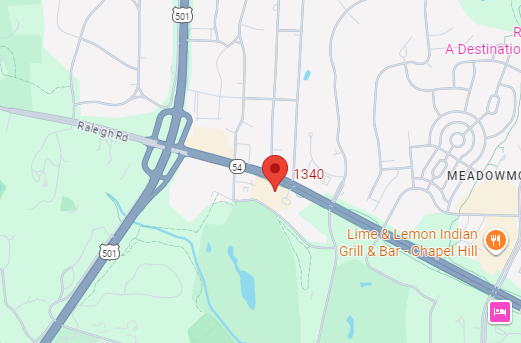
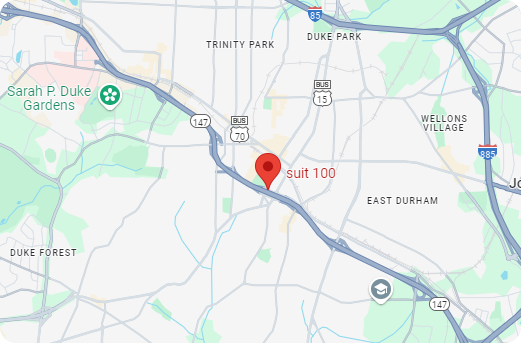
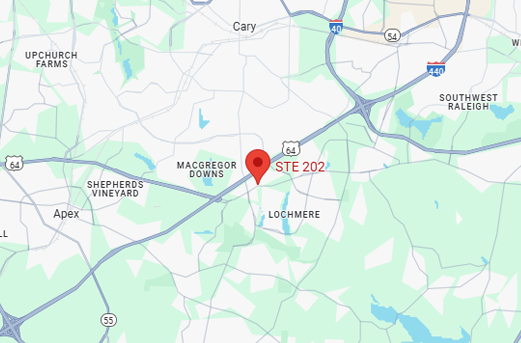
Patrick Roberts Law is based in Raleigh and serves clients throughout Wake County, NC. The firm's Wake County criminal defense practice page describes the range of charges it handles locally, from felony charges to drug crimes and sexual offenses. You can review the firm's stated scope of practice to assess how relevant its experience is to your situation.
3. How Should You Review a Criminal Defense Firm's Case Outcomes?
Published case results can give you a sense of the types of situations a firm has handled and how those cases concluded. However, they require careful interpretation. A dismissal in one case does not mean your case will be dismissed. Outcomes depend on the specific facts, evidence, jurisdiction, and legal strategy involved.
Look for results involving charges similar to yours. Ask the attorney: Have you handled cases like mine? What factors affected the outcome? What might those factors look like in my situation?
Past results do not guarantee future results. Every criminal case must be evaluated individually.
Patrick Roberts Law publishes case results on its website, organized by charge type. These include outcomes in cases involving first-degree murder, rape, felony burglary, statutory rape, and indecent liberties, among others. Reviewing those published results can help you assess whether the firm has handled cases with similar charges and complexities to your own.
4. What Do Peer Awards and Professional Recognition Tell You About a Criminal Defense Lawyer?
Professional recognition from peer organizations can indicate that a criminal defense attorney is well-regarded within the legal community. Peer-based awards typically involve nominations from other lawyers and a vetting process based on professional standards—making them meaningfully different from advertiser-driven rankings.
That said, awards should be one data point, not the deciding factor. Verify who issued the award, what criteria were used, and when it was granted.
Based on publicly available information, Attorney Patrick Roberts has received recognition that includes the Avvo Clients' Choice Award 2026, the Martindale-Hubbell AV Preeminent rating, a Distinguished Counsel designation for 2026, and a Super Lawyers designation from 2013 to 2019. These are verifiable credentials that prospective clients can independently confirm through the issuing organizations.
5. How to Read Client Reviews of a Wake County Criminal Defense Firm
Client reviews can offer insight into a firm's communication style, responsiveness, and how clients feel they were treated throughout the process. Look for patterns across multiple reviews, not just individual comments.
A review that says "he fought hard for me" tells you less than one that describes specific interactions, response times, or how the attorney explained the process. Reviews that address the experience of working with the firm—not just the outcome—tend to be more informative.
Keep in mind that online reviews have limits. They don't predict case outcomes, and they reflect individual perspectives. Use them as one factor among several.
The firm has accumulated over 130 reviews on Trustindex. Published client testimonials on the firm's website describe experiences involving federal fraud cases, sex offense allegations, and other serious criminal matters. Prospective clients can read those reviews directly on the firm's site or on third-party platforms to form their own assessment.
In addition to client feedback, Attorney Patrick Roberts is endorsed by fellow criminal defense attorneys who have observed his deep knowledge of North Carolina criminal law and his skill in managing complex cases.
Read selected reviews from Attorney Roberts’ Avvo page below:
“I highly recommend this attorney to anyone needing experienced and knowledgeable legal representation. From the beginning, he clearly explained the steps necessary to address my situation and made sure I understood the process along the way. He kept me informed as progress was being made and was always professional, responsive, and prepared. Although the legal process can move slowly at times, I always felt confident that my case was being handled properly. When my court date finally arrived, he was exceptionally well prepared and navigated the courtroom procedures with confidence and skill. His experience and attention to detail ultimately helped lead to a very positive outcome in my case. I truly appreciated his guidance and representation throughout the entire process.”
“I endorse this lawyer. Patrick is a great trial lawyer and a person who I go to for legal advice in my own practice. Patrick is dedicated to his clients and a master at criminal defense. I would not hesitate to hire him if I was in trouble and needed a lawyer.”
*Testimonials and peer reviews are for informational purposes only and do not guarantee or predict the outcome of your legal matter. Every case is unique and must be evaluated on its own merits. All endorsements featured on this site are actual comments from clients and peers.
6. What Should You Ask About Fees Before Hiring a Criminal Defense Law Firm?
Fee structures vary among criminal defense law firms. Some charge flat fees for specific services; others bill hourly. Most require a retainer upfront. There may be additional costs for investigators, expert witnesses, filing fees, or extended litigation.
The lowest fee is not necessarily the best value. A firm that charges less but lacks relevant experience may cost more in the long run—in time, outcomes, and stress.
Before signing any agreement, ask: What does your fee cover? What could result in additional charges? How will I be billed if my case goes to trial?
Specific fee information for the firm is not published on the firm's website, which is common practice in criminal defense. Prospective clients should ask directly during a consultation. Patrick Roberts Law offers free consultations, which is an appropriate opportunity to raise questions about billing structure, what services are included, and what additional costs might arise.
7. How Should You Evaluate Attorney Availability and Communication?
Criminal cases can move quickly. Hearings get scheduled. Evidence needs to be reviewed. Decisions have to be made under pressure. An attorney who is difficult to reach—or who hands off your case without telling you—can leave you feeling uninformed at critical moments.
Before hiring anyone, clarify: Who will handle my case day to day? How do I reach the attorney directly? What is the typical response time for questions or updates?
Patrick Roberts Law's main contact number is 919-746-7206. You may also send inquiries through the firm's email address info@patrickroberts.law. Prospective clients should confirm during a consultation how communication is handled, who their primary point of contact will be, and what to expect during different stages of their case.
Questions to Ask Before Hiring a Wake County Criminal Defense Attorney
Use this checklist when meeting with any criminal defense attorney in Wake County, NC:
-
How much experience do you have with cases like mine?
-
How often do your criminal cases go to trial?
-
How familiar are you with the Wake County courts?
-
Can you explain your approach to my type of charge?
-
What outcomes have you achieved in similar cases?
-
What will my legal fees include?
-
Who will handle my case?
-
How will we communicate, and how quickly should I expect responses?
-
What should I expect during the next stage of my case?
These questions apply to every firm you consider—including Patrick Roberts Law.
How Patrick Roberts Law Fits These Evaluation Criteria
When you apply the seven criteria above to Patrick Roberts Law, here is what the verifiable record shows:
Patrick Roberts is a Duke Law graduate and former prosecutor with over 24 years of experience in North Carolina criminal law. The firm has handled more than 1,000 cases and has published detailed case results covering a wide range of serious charges. Mr. Roberts has received peer recognition including Super Lawyers (2013–2019), an AV Preeminent Martindale-Hubbell rating, a Distinguished Counsel designation, and an Avvo Clients' Choice Award. The firm has over 220 client reviews and offers free consultations with a 24/7 phone line.
That does not make Patrick Roberts Law the right choice for every person facing criminal charges in Wake County. The right firm depends on the nature of your charges, your priorities, and how you want to communicate with your attorney. Use the same criteria to compare Patrick Roberts Law with any other qualified options you are considering.
You can review the firm's Wake County criminal defense services to assess how its practice areas align with your situation.
Speak With Patrick Roberts Law About Your Criminal Defense Case
If you are facing criminal charges in Wake County, NC, the most important step you can take right now is to speak with a qualified criminal defense attorney. The earlier you get legal guidance, the more options you may have.
Patrick Roberts Law offers free consultations and serves clients throughout Wake County and the surrounding areas. While representing clients in critical legal matters across all North Carolina counties, his practice maintains a strong presence in Wake County, specifically serving Raleigh, Cary, Apex, Holly Springs, Garner, and Fuquay-Varina. To discuss your situation and learn about your legal options, contact Patrick Roberts Law today.
Choose Your Criminal Defense Attorney Based on What Matters Most
The seven criteria in this guide—trial experience, local courtroom familiarity, case outcomes, peer recognition, client reviews, fee transparency, and attorney availability—give you a practical framework for comparing criminal defense law firms in Wake County, NC.
No ranking, badge, or advertisement replaces this kind of objective evaluation. The "best" criminal defense attorney is the one whose background, communication style, and approach match your specific case and circumstances.
Patrick Roberts Law is one firm worth evaluating using these criteria. There are others. Take the time to compare your options carefully, ask direct questions, and make a decision based on what the evidence actually shows—not what a firm says about itself.
Frequently Asked Questions
How do I find a qualified criminal defense law firm in Wake County, NC?
Start by identifying attorneys who focus on criminal defense and regularly practice in Wake County courts. From there, evaluate each firm using objective criteria: trial experience, published case results, peer recognition, client reviews, fee transparency, and attorney availability. Free consultations—offered by firms like Patrick Roberts Law—are a practical way to assess fit before making a commitment.
Does hiring a former prosecutor as a criminal defense attorney make a difference?
It can. A criminal defense attorney who previously worked as a prosecutor understands how the government builds its cases, what evidence it tends to rely on, and where weaknesses may exist. Patrick Roberts Law's lead attorney served as an assistant district attorney in three counties before moving to criminal defense, which provides a dual perspective on case strategy.
What is the difference between a criminal defense lawyer and a criminal defense law firm?
A solo criminal defense lawyer and a law firm both provide legal representation, but they differ in staffing, capacity, and support resources. A firm may have multiple attorneys and support staff, which can affect how cases are managed and communicated. Before hiring, ask who specifically will handle your case and what role each team member plays.
How do I know if a criminal defense attorney's awards are meaningful?
Look for recognition issued by established legal organizations with clear selection criteria. For example, Martindale-Hubbell's AV Preeminent rating is based on peer review by other attorneys. The Super Lawyers designation involves peer nominations and independent research. Awards that require payment or have no vetting process carry less weight. Always verify the source and criteria independently.
Disclaimer: The information on this website is for general informational purposes only. Nothing herein should be taken as legal advice for any individual case or situation. Contacting us via this website, email, or contact form does not create an attorney-client relationship. Case results depend on a variety of factors unique to each case; prior results do not guarantee a similar outcome.