
Expungements Raleigh & Wake County, NC
Get Free Consultation

EXPUNGEMENT LAWYER IN RALEIGH, CARY AND ALL OF WAKE COUNTY NC
NORTH CAROLINA EXPUNGEMENT ATTORNEY
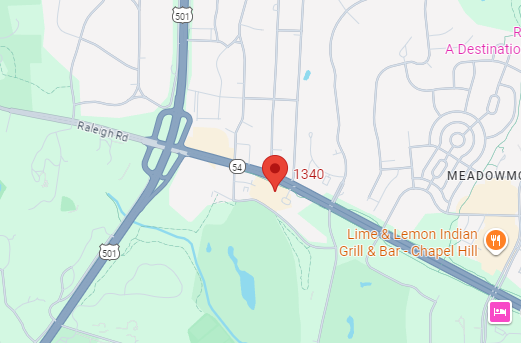
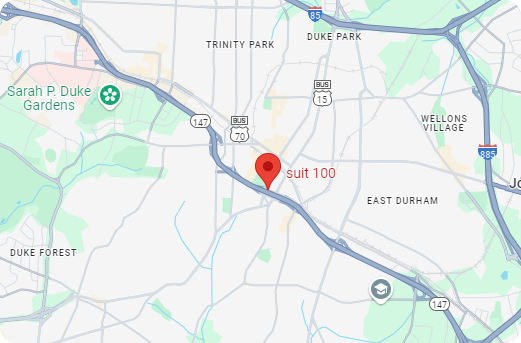
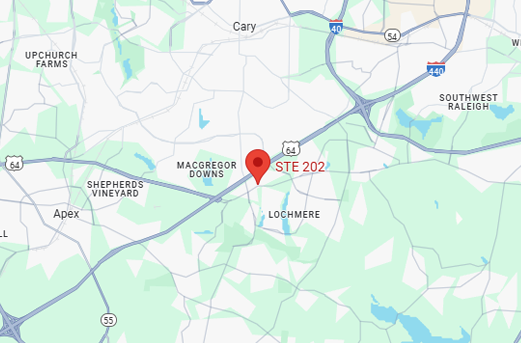
Patrick Roberts Law is a criminal defense firm based in Raleigh, North Carolina. Expungement (clearing an arrest, charge, or conviction from your record) is one of the areas the firm handles for clients across Wake County and the surrounding region. From offices in Raleigh, Durham, Chapel Hill, and Cary, Attorney Patrick Roberts helps people determine whether North Carolina law allows their record to be expunged.
Whether a record can be cleared in North Carolina comes down to statute. There is no general "sealing" law here; every form of relief comes from specific eligibility grants in N.C. Gen. Stat. Chapter 15A, Article 5. That means the whole question is which section your situation fits and whether you meet its requirements. We work through that analysis with you and handle the filing from start to finish. The sections below explain the categories of expungement the firm handles and what the law requires for each.
Which Records Can We Help You Clear?
Can a Dismissed or Not-Guilty Charge Be Cleared?
Our law firm represents clients seeking to expunge charges that were dismissed or that ended in a not-guilty verdict. Under N.C. Gen. Stat. § 15A-146, a person whose charge is dismissed or who is acquitted may petition to expunge the record of that charge. This relief is not barred by prior convictions or prior expunctions. That feature distinguishes non-conviction relief from conviction relief. Where a single charge is dismissed or an acquittal is entered on all related charges, the relief is mandatory and no waiting period applies. This is by far the most common way records get cleared in North Carolina. Of the 1,418,282 total expunctions issued statewide in FY2024-25, the overwhelming majority were dismissed or acquitted charges, and 31,030 of those were petition-based dismissal or not-guilty expunctions. It matters here because North Carolina disposes of charges without a guilty finding at a high rate. Across roughly 15 million charges from 2014 to 2023, 80.6% ended with no finding of guilt.
North Carolina also now expunges many qualifying dismissals and acquittals automatically, without any filing, under § 15A-146(a4) as restructured by S.L. 2024-35. This generally happens about 180 to 210 days after final disposition. But automatic relief is not a substitute for legal review. A felony charge dismissed as part of a plea agreement is excluded from the automatic process and still requires a petition. Automatic expunctions also bypass the clerk-notification duties of § 15A-150, which can leave records at other agencies out of sync. The automatic system was paused for nearly two years and restarted on July 1, 2024. As the backlog cleared, automatic expunctions surged from 395,055 in FY2021-22 to 1,381,128 in FY2024-25. We confirm whether a charge qualified, whether it actually came off, and whether a petition is still needed.
Older Nonviolent Convictions: The Second Chance Act
The firm represents clients petitioning to expunge nonviolent misdemeanor and nonviolent felony convictions under N.C. Gen. Stat. § 15A-145.5. This is North Carolina's main adult "second chance" pathway. This section carries no age limit. It allows expunction after tiered waiting periods, measured from the later of the conviction or completion of the sentence, including probation and post-release supervision. As amended, the waits are three years for a single nonviolent misdemeanor and seven years for multiple misdemeanors. The three-year figure was reduced from five years by S.L. 2025-71, effective July 9, 2025. For felonies, the wait is 10 years for a single nonviolent felony (15 years for a felony breaking or entering under G.S. 14-54(a)) and 20 years for two or three nonviolent felonies.
The word "nonviolent" is doing real work. Section 15A-145.5(a) defines it to exclude Class A–G felonies, Class A1 misdemeanors, assault-element offenses, and certain sex-related and stalking offenses, along with specified drug-trafficking felonies and other exceptions. Eligibility also requires clearing bars such as a disqualifying prior conviction, an outstanding warrant or pending charge, unpaid restitution, and, with narrow exceptions, a prior § 15A-145.5 expunction. On top of that, the petitioner must show good moral character during the waiting period. This is a demanding, fact-specific analysis, and this pathway is used comparatively little. Only 3,599 nonviolent-conviction expunctions under § 15A-145.5 were issued statewide in FY2024-25. That is true even though research on people who are legally eligible for expungement finds just 6.5% obtain it within five years of becoming eligible. We map your convictions against the statute, calculate the waiting periods correctly, and build the record the court needs.
What If the Offense Happened When You Were Young?
Patrick Roberts represents clients seeking expunctions available to people who committed an offense at a young age. For these, North Carolina law generally requires first-offender status and imposes shorter waiting periods than the adult track. These provisions cover several distinct situations. Under-18 misdemeanors and underage-alcohol offenses fall under § 15A-145 (two-year wait). Drug first offenders not over 21 are covered by § 15A-145.2, and toxic-vapor first offenders by § 15A-145.3 (12-month wait, with a court-ordered program completed or waived). Under-18 nonviolent felonies other than Class A–G fall under § 15A-145.4 (four-year wait). And "Raise the Age" parity relief under § 15A-145.8A covers 16- and 17-year-olds convicted before December 1, 2019, allowing relief on completion of the sentence.
What If You Were a Victim or Wrongly Accused?
The firm represents clients whose eligibility comes from their status as a victim or from their innocence. North Carolina provides targeted relief in several situations. Section 15A-145.9 covers convictions that were a direct result of human-trafficking victimization (no waiting period, discretionary). Section 15A-145.6 covers prostitution convictions (three-year wait, no fee). Section 15A-147 applies where a dismissal or not-guilty resolution arose from identity theft or mistaken identity. Section 15A-149 applies following a pardon of innocence, with related DNA-record relief under § 15A-148. These pathways generally carry reduced or no waiting periods and no filing fee, and they typically require a hearing with notice to the district attorney. Trafficking relief remains discretionary even when the basic requirements are met.
EXPUNGEMENT PATHWAYS
Statutory Relief Categories

§ 15A-146
Dismissed or Not Guilty
§ 15A-145.5
Nonviolent Convictions
§ 15A-145
Under-18 Misdemeanors
§ 15A-145.2
Under-21 Drug Offenses
§ 15A-145.9
Trafficking Victims
§ 15A-147
Identity Theft Relief
§ 15A-145.8A
Raise the Age Parity
§ 15A-149
Pardon of Innocence
WHAT TO EXPECT & ABOUT WAKE COUNTY
What to Expect When You Contact the Firm
Expungement work starts with eligibility, and that is where we start with you. When you contact the firm, the first step is a review of your record and your goals. That means looking at what charges or convictions you want cleared, when they were resolved, and how they were resolved. We match those facts against the specific Article 5 sections that could apply. We then tell you plainly whether the law allows relief, which section governs, and any waiting period or bar that affects the timeline.
If your record qualifies, the firm handles the process. Expunction is initiated by a verified petition on the applicable AOC form, filed in the trial division of the county where the charge or conviction arose. It is generally resolved after a hearing. Most petitions require AOC and SBI background checks. We prepare the petition, assemble the required checks and supporting record, and appear at the hearing.
About Wake County
Wake County was North Carolina's most populous county as of the 2020 Census, and is home to more than 1.2 million people and growing by about 66 people a day. Raleigh, the state capital and the county seat, had about 498,200 residents in 2024. The county takes in 12 municipalities including Apex, Cary, Fuquay-Varina, Garner, Holly Springs, Raleigh, and Wake Forest.
Criminal matters in the county are centered in downtown Raleigh. The Wake County Courthouse at 316 Fayetteville Street holds the district and superior courtrooms, and the Wake County Justice Center at 300 South Salisbury Street houses the criminal district court clerk and the District Attorney. For a charge or conviction that arose in Wake County, this is where that process takes place.
WHY CHOOSE PATRICK ROBERTS?
Experienced Legal Advocacy
Navigating the complexities of North Carolina’s expungement statutes requires a nuanced understanding of state law and court procedure, an area where Attorney Patrick Roberts brings over two decades of legal experience.
Former Prosecutor Perspective
Leveraging four years of experience as an Assistant District Attorney across three North Carolina prosecutorial districts to effectively navigate the state's complex criminal record statutes.
Professional Recognition
AV Preeminent & Client Champion Platinum Ratings maintained consecutively from 2018 through 2026. Selected as a member of the Nation’s Top 1 Percent by the National Association of Distinguished Counsel.
Published Legal Author
Co-authored "The Legality of Search and Seizure in DUI Cases", demonstrating deep knowledge of investigative processes that often form the basis of expungable criminal records.
Trial-Tested Credentials
- AV Preeminent & Client Champion Platinum Ratings: 2018 through 2026.
- Nation’s Top 1 Percent: National Association of Distinguished Counsel 2025 and 2026.
- Duke Law Graduate: Earned law degree from Duke University School of Law.
- Trial Lawyers College Graduate: Intensive courtroom advocacy training.
Client & Peer Feedback
"...When I was being investigated by the police for allegations made by one of my children, his team was able to present our side of the story and show that these things did not happen as was being alleged. Because of his actions the police decided to not pursue charges. I would hire them again in a heartbeat."
"Patrick is a thoughtful and experienced attorney. When I have a client needing representation in the Raleigh area in his areas of practice, he would be my referral of choice."
Case Results
- Second Degree Sexual Offense Allegation: Investigation challenged credibility; prosecution dismissed the charges. Outcome: Dismissal
- Burglary and Felony Larceny Charges: Analyzed phone records to disprove identification. Outcome: Dismissed
- First Degree Murder Defense: Exposed inconsistencies in state's evidence at trial. Outcome: Not Guilty
- Sex Offender Registry Removal: Successfully petitioned for removal after mandatory statutory period. Outcome: Client's name removed from the registry
Disclaimer: Case outcomes depend upon a variety of factors unique to each case. Prior results do not guarantee or predict a similar outcome.
Patrick Roberts Law provides dedicated representation for clients across North Carolina, serving Wake County communities including Raleigh, Cary, Apex, Holly Springs, Garner, and Fuquay-Varina.
Disclaimer: This article is general legal information, not legal advice. Reading it does not create an attorney-client relationship. North Carolina expunction law is almost entirely statutory and subject to legislative change.
Decades of experience Decades of experience Decades of experience Decades of experience Decades of experience Decades of experience
Duke
Law
Graduate
24
Years of experience *
Ex-Prosecutor in
3
Counties
Former assistant district attorney
Contact Patrick Roberts
Facing criminal charges in North Carolina demands seasoned representation. Trust in the experience and dual perspective of Patrick Roberts. Reach out today for a confidential consultation.
-
Call Our Team
Calls answered 24/7






For more information on the selection criteria, go to www.martindale.com
*Each case is different and must be evaluated separately. Prior results achieved do not guarantee similar results can be achieved in future cases.