Blog / Drug Charges

Celebrity Drug Cases in the USA: Lessons to Learn

Celebrities, with their high-profile lifestyles and intense media scrutiny, often become the faces of addiction in the public eye. Their drug cases, while tragic and personal, offer valuable lessons for society on the nature of addiction, the challenges of recovery, and the importance of supportive interventions. In this blog, we’ll explore five notable celebrity drug cases in the USA, delve into the lessons they impart, and discuss how these lessons can inform better approaches to addiction treatment and prevention.

1. Whitney Houston: The Tragic Impact of Prescription Drug Abuse

Case Overview

Whitney Houston, one of the most iconic voices in music history, struggled with addiction issues throughout her life. Her battles with cocaine and prescription drugs were well-documented, culminating in her tragic death in February 2012. Houston's death was ruled as an accidental drowning, with heart disease and cocaine use listed as contributing factors.

Lessons Learned

1. The Risks of Prescription Drug Abuse

Houston’s case underscores the significant dangers associated with prescription drug misuse. Prescription medications, often perceived as safer than illicit drugs, can have severe consequences when abused, particularly when combined with other substances. This highlights the need for careful management and monitoring of prescription drugs.

2. The Importance of Comprehensive Support Systems

Houston’s story illustrates the importance of having a robust support system in place. Effective recovery from addiction often requires the involvement of family, friends, and healthcare professionals. A supportive network can make a crucial difference in an individual's journey to recovery.

2. Charlie Sheen: The Challenges of Public Scrutiny

Case Overview

Charlie Sheen, known for his roles in "Two and a Half Men" and "Platoon," has faced numerous public struggles with drug addiction. His battles with cocaine and alcohol have been highly publicized, resulting in multiple rehab stints, erratic behavior, and legal troubles.

Lessons Learned

1. The Impact of Media Scrutiny

Sheen’s case demonstrates how intense media scrutiny can complicate the recovery process. Constant public attention and sensationalism can increase stress and hinder effective recovery. This highlights the need for privacy and a supportive environment during the recovery process.

2. Addiction as a Chronic Condition

Sheen’s repeated relapses emphasize that addiction is a chronic condition that often requires long-term management. Effective treatment is not about a one-time fix but involves ongoing support and continuous care.

3. Lindsay Lohan: The Cycle of Rehab and Relapse

Case Overview

Lindsay Lohan, known for her roles in "Mean Girls" and "The Parent Trap," has faced a tumultuous relationship with substance abuse. Her numerous legal issues related to drug use and DUIs, along with multiple rehab stints, have been widely covered in the media.

Lessons Learned

1. The Complexity of Addiction Recovery

Lohan’s repeated rehab visits highlight the complex nature of addiction recovery. Successful recovery often involves a comprehensive treatment plan and addressing various underlying issues, including mental health conditions. This underscores the importance of a tailored approach to treatment.

2. The Role of Personal Accountability

Lohan’s case also illustrates the critical role of personal accountability in overcoming addiction. Recovery requires more than just undergoing treatment; it necessitates a genuine commitment to change and a willingness to embrace a new lifestyle.

4. Macaulay Culkin: The Hidden Struggles of Child Stars

Case Overview

Macaulay Culkin, famous for his role in "Home Alone," faced public scrutiny regarding his drug use in the early 2000s. In 2004, Culkin was arrested for possession of marijuana and two controlled substances, though his struggles with addiction were not as widely publicized as some other celebrities.

Lessons Learned

1. The Unique Challenges for Child Stars

Culkin’s case sheds light on the unique pressures faced by child stars, including the potential for substance abuse as a coping mechanism. The transition from childhood stardom to adulthood can be challenging, and addressing these issues requires targeted support and understanding.

2. The Importance of Early Intervention

Culkin’s situation highlights the need for early intervention and support for young individuals in the entertainment industry. Proactive measures and support systems can help mitigate the risk of addiction and provide healthier coping mechanisms.

5. Robert Downey Jr.: A Story of Recovery and Redemption

Case Overview

Robert Downey Jr., known for his roles in "Iron Man" and "Sherlock Holmes," has had a highly publicized struggle with addiction. His battles with drugs, including cocaine and heroin, led to numerous legal troubles and rehab stints. However, Downey Jr.’s story is also one of significant recovery and redemption.

Lessons Learned

1. The Power of Recovery

Downey Jr.’s journey underscores the possibility of recovery and redemption, even after multiple setbacks. His successful comeback demonstrates that with the right treatment, support, and personal commitment, overcoming addiction is achievable.

2. The Importance of Continued Support

Downey Jr.’s recovery highlights the need for continued support and a structured aftercare plan. Long-term sobriety often requires ongoing counseling, support groups, and lifestyle changes to maintain recovery.

Conclusion

The cases of Whitney Houston, Charlie Sheen, Lindsay Lohan, Macaulay Culkin, and Robert Downey Jr. offer profound lessons about addiction and recovery. Each story highlights different aspects of the struggle with substance abuse, from the dangers of prescription drug misuse to the impact of media scrutiny and the importance of comprehensive support systems.

By examining these high-profile cases, we gain valuable insights into the nature of addiction and the multifaceted approach needed for effective treatment. Understanding these lessons can help shape more compassionate and effective strategies for addressing addiction, not just for celebrities but for individuals across all walks of life.

As we reflect on these stories, it is crucial to foster a more empathetic and informed approach to addiction, focusing on support, education, and long-term recovery. Embracing these lessons can lead to better outcomes for those affected by addiction and promote a more supportive and understanding society.
Posted in:

Related Posts

image

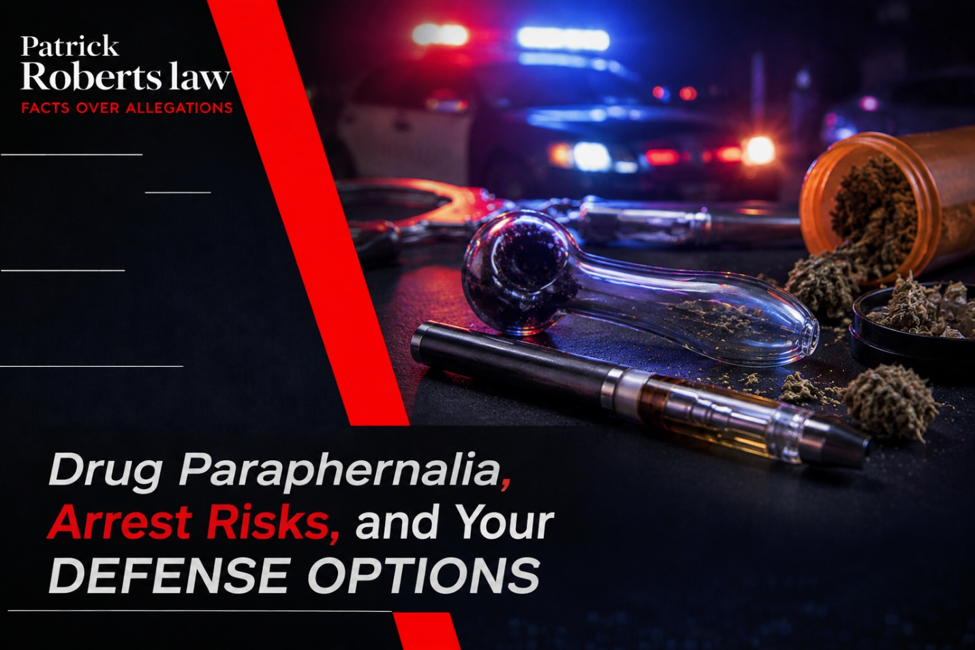
Drug Charge Lawyer in Raleigh, NC: Drug Paraphernalia, Arrest Risks, and Your Defense Options

Legal Representation for Drug and Paraphernalia Charges in Raleigh, NC Facing legal allegations involving controlled substances or drug paraphernalia in North Carolina requires a clear understanding of the state's criminal statutes. Under North Carolina law, drug offenses span from misdemeanor possession to felony trafficking, and the legal consequences depend heavily on the classification of the substance and the specific facts of the arrest. more Legal cases involving drug allegations can affect professional licensing, background checks, and long-term legal records. Preparing an organized defense early in the judicial process is crucial to addressing these allegations effectively. If you are navigating charges for drug possession, paraphernalia, or drug trafficking, you can consult with a criminal defense attorney to evaluate the state’s evidence and discuss your legal options. Contact our Raleigh office to review your case: Phone: 919-746-7206 Consultation: Schedule a case evaluation with a drug defense attorney in Raleigh, NC. Drug Paraphernalia Charges under North Carolina Law In North Carolina, individuals can face criminal charges for the possession or distribution of drug paraphernalia even if no controlled substances are seized at the time of the arrest. Because North Carolina statutes define paraphernalia broadly, law enforcement officers frequently rely on circumstantial evidence and the context of the seizure to determine if an object violates the law. This subjective evaluation can sometimes result in exaggerated or inaccurate charges. Items Regularly Classified as Paraphernalia: Ingestion Devices: Pipes, bongs, vaporizers, or rolling papers. Storage and Packaging: Small plastic baggies, vials, or specialized containers. Measurement Tools: Digital scales or balances used for weighing substances. Delivery Systems: Syringes, needles, or compounding equipment. Residue: Any object containing traceable amounts or suspected residue of a controlled substance. Because these cases are highly fact-dependent, a thorough defense typically involves examining whether the state meets its burden of proof regarding the intended use of the item. How Does Drug Paraphernalia Lead to Arrest in Raleigh? In Raleigh and Wake County, paraphernalia-related arrests often arise from traffic stops, searches, or investigations where no actual drugs are found. Police may rely on: Alleged residue or field testing Statements made during questioning Packaging materials Proximity to suspected substances Officer interpretation of intent Common real-world scenarios: A vehicle stop where a pipe is discovered in the glove compartment A shared residence where items are found in common areas A traffic stop where packaging materials are interpreted as distribution tools These situations can quickly escalate into drug possession cases or felony investigations. When Does Paraphernalia Become Felony Drug Charges? What begins as a minor allegation can escalate into: Simple possession Possession with intent to sell or distribute Drug trafficking offenses Federal drug investigations Trafficking charges are often based on quantity thresholds and can carry mandatory minimum sentences. A skilled drug trafficking lawyer can challenge: Search and seizure violations Chain of custody issues Lack of intent evidence Improper police procedures Learn more about how Patrick Roberts defends against drug trafficking offenses in North Carolina. What Do Prosecutors Use in Raleigh Drug Cases? In Raleigh drug prosecutions, the state often builds its case using: Quantity of alleged substances Alleged paraphernalia Digital communications (texts, messages) Arrest location (school zones or high-enforcement areas) Prior criminal history Even without drugs physically present, prosecutors may still pursue drug distribution attorney level charges. Defense Strategies for Drug Paraphernalia and Drug Charges Common defense strategies include: Illegal search and seizure under the Fourth Amendment Lack of ownership or knowledge No controlled substance present Misidentification of everyday objects Constitutional violations during arrest Learn more about constitutional protections under the Fourth Amendment (U.S. Constitution). Legal Considerations and Potential Outcomes After a Drug Arrest Navigating a drug arrest involves addressing complex legal procedures and statutory requirements. Individuals facing these charges typically need to resolve specific operational and legal challenges, including: Understanding Judicial Procedures: Navigating the timelines, hearings, and formal requirements of the North Carolina court system. Assessing Collateral Consequences: Evaluating how potential outcomes might affect current employment, background checks, and professional licensing. Protecting Constitutional Rights: Identifying whether law enforcement adhered strictly to constitutional standards regarding searches, seizures, and interrogations. Determining Offense Classification: Analyzing whether the allegations carry misdemeanor or felony exposure based on the weight and schedule of the substance involved. What are Potential Legal Outcomes in Criminal Defense? Every case relies heavily on its unique factual and evidentiary circumstances. Depending on the state's evidence and the defense strategy employed, potential resolutions to drug charges may include: Reduction of Charges*: Negotiating to lower the severity or classification of the offense. Case Dismissal*: Securing a dismissal if the state's evidence is insufficient or if constitutional rights were violated during the investigation. Diversion Programs*: Utilizing alternative sentencing options, such as first-offender programs or drug courts, which can lead to a clean record upon successful completion. Mitigation of Long-Term Records*: Taking proactive steps to limit the impact of the arrest on an individual's public background check. * Disclaimer: Each case is different and must be evaluated separately. Prior results achieved do not guarantee similar results can be achieved in future cases. The Advantage of Dedicated Criminal Defense Experience Successfully challenging narcotics charges requires an in-depth understanding of both state and federal judicial procedures. Attorney Patrick Roberts has spent his career building targeted defense strategies for individuals facing complex drug prosecutions, state-level offenses, and federal investigations across North Carolina. A sophisticated defense requires more than a standard courtroom appearance; it demands an analytical review of police conduct, independent evaluation of evidence, and skilled negotiation with prosecutors. Relying on dedicated criminal defense experience ensures that every procedural asset is utilized in your defense. An alumnus of Johns Hopkins University and Duke University School of Law, Attorney Roberts applies his background as a former drug trafficking prosecutor in Wake and Johnston Counties to protect clients facing high-stakes felony charges. Having collaborated with interdiction teams to build complex conspiracy cases, he possesses a deep understanding of how the government assembles evidence, enabling him to strategically deconstruct the prosecution’s narrative. His trial history includes multi-week federal conspiracy litigation across the Eastern, Middle, and Western Districts of North Carolina. Admitted to the 4th Circuit Court of Appeals and the U.S. Supreme Court, he delivers a commanding defense in Wake County—covering Raleigh, Cary, Apex, Holly Springs, Garner, and Fuquay-Varina—and manages "bet the house" cases statewide. Attorney Patrick Roberts’ List of Other Credentials: A lifetime member of the National Association of Criminal Defense Lawyers (NACDL) Trained in advanced cross-examination through a 2025 intensive with the National Criminal Defense College (NCDC) A graduate of the NCDC Trial Practice Institute, a rigorous two-week criminal defense program A graduate of the Gerry Spence Trial Lawyer College, a nationally recognized trial advocacy program He is also: A Client Champion Platinum Attorney (2026) with more than five consecutive years of recognition AV Preeminent Peer Rated Attorney (2026) for over five years Rated 10/10 “Superb” by AVVO for more than 15 years This combination of training and recognition reflects advanced courtroom strategy and high-level criminal defense capability. Learn more About Patrick Roberts and his background and credentials. Peer Endorsements and Client Trust Attorney Patrick Roberts is highly regarded by fellow attorneys for his preparation, courtroom skill, and strategic defense work in complex criminal cases. Client Review “I highly recommend this attorney to anyone needing experienced and knowledgeable legal representation. From the beginning, he clearly explained the steps necessary to address my situation and made sure I understood the process along the way. He kept me informed as progress was being made and was always professional, responsive, and prepared. Although the legal process can move slowly at times, I always felt confident that my case was being handled properly. When my court date finally arrived, he was exceptionally well prepared and navigated the courtroom procedures with confidence and skill. His experience and attention to detail ultimately helped lead to a very positive outcome in my case. I truly appreciated his guidance and representation throughout the entire process.” - verified client review via Avvo.com Peer Endorsement "Patrick is one of the best defense attorneys in the area. He works very hard for his clients and he gets fantastic results." - verified peer endorsement via Avvo.com These evaluations reflect consistent respect within the legal community. Disclaimer: Testimonials and peer reviews are for informational purposes only and do not guarantee or predict the outcome of your legal matter. Every case is unique and must be evaluated on its own merits. All endorsements featured on this site are actual comments from clients and peers. About Patrick Roberts Learn more About Patrick Roberts, his experience, and his criminal defense approach. Areas Served in Raleigh and Across North Carolina We represent clients throughout Raleigh and surrounding regions. View all Areas served, Locations, and service regions. Frequently Asked Questions Can I be charged with drug paraphernalia without drugs present? Yes. North Carolina law allows paraphernalia charges even without controlled substances if intent or use is alleged. What should I do after a drug arrest in Raleigh? You should contact a drug possession lawyer immediately and avoid speaking to law enforcement without representation. Can drug paraphernalia charges be dismissed? Yes, depending on evidence strength, legality of the search, and case circumstances. What is the difference between possession and drug trafficking offenses? Possession involves control of a substance, while trafficking is based on quantity thresholds and carries significantly harsher penalties. Do I need a drug trafficking lawyer for a first-time charge? Yes. First-time cases can still escalate into felony prosecutions without proper legal defense. Consult with a Raleigh Defense Attorney Early legal intervention provides the necessary time to preserve critical evidence, interview witnesses, and review police body-camera footage. If you are facing drug-related allegations charge in Raleigh, NC, you can initiate your defense by contacting our office directly. Phone: 919-746-7206 Online Intake: Contact our firm to schedule a comprehensive, professional case evaluation. Disclaimer: The information on this website is for general informational purposes only. Nothing herein should be taken as legal advice for any individual case or situation. Contacting us via this website, email, or contact form does not create an attorney-client relationship. Case results depend on a variety of factors unique to each case; prior results do not guarantee a similar outcome.

image

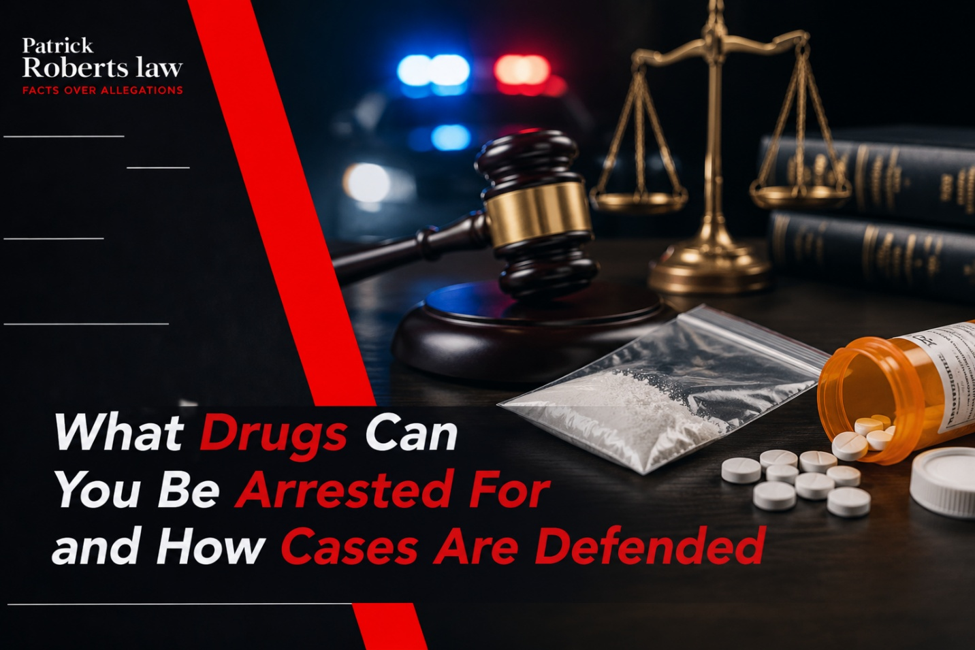
Drug Charges Lawyer in Raleigh, NC: What Drugs Can You Be Arrested For and How Cases Are Defended

If you were arrested or are under investigation for drug-related offenses in Raleigh, NC, you need immediate legal protection. Call 919-746-7206 or submit a confidential request through our contact page to speak with a criminal defense attorney today. Early intervention can significantly change how your case is charged, prosecuted, and resolved. Drug Charges Lawyer in Raleigh, NC: Understanding What You Are Facing Drug arrests in Raleigh and across Wake County often happen quickly and escalate even faster. Many people are shocked to learn that simple possession, prescription medication issues, or paraphernalia allegations can lead to serious felony charges. more A skilled criminal defense strategy is critical because drug cases are often built on: Traffic stops Search warrants Informant tips Surveillance Lab testing assumptions Constructive possession allegations Without immediate legal intervention, prosecutors gain leverage early in the process. What Drugs Can You Be Arrested For in Raleigh, NC? (Controlled Substances Guide) North Carolina classifies controlled substances into schedules based on medical use and abuse potential. Arrests can occur for possession, distribution, trafficking, or intent to distribute—even without physical sale evidence. Below is a clear breakdown of commonly charged substances in Raleigh drug cases. Schedule I Controlled Substances (High Restriction / No Accepted Medical Use) Commonly prosecuted substances include: Heroin LSD Ecstasy (MDMA) Peyote Psilocybin (mushrooms) Typical charges: Simple possession Possession with intent to distribute Drug trafficking attorney level allegations (based on weight thresholds) Manufacturing or cultivation Common penalties: Felony conviction Mandatory prison exposure for trafficking quantities Permanent criminal record impact Schedule II Controlled Substances (High Abuse Potential, Limited Medical Use) Common substances include: Cocaine Methamphetamine Oxycodone (OxyContin, Percocet) Fentanyl Adderall (non-prescribed) Morphine Arrestable offenses: Possession Possession with intent to sell or distribute Trafficking (based on weight) Prescription fraud or forged prescriptions Penalty exposure: Felony sentencing ranges Mandatory minimum prison terms in trafficking cases Enhanced penalties near schools or protected zones Learn more about how these cases are defended through our drug charges defense resources. Schedule III–V Substances (Prescription-Based Controlled Drugs) Common examples include: Ketamine (Schedule III) Anabolic steroids Xanax (Alprazolam) Valium (Diazepam) Codeine-based medications Arrest scenarios: Possession without valid prescription Prescription fraud or doctor shopping Intent to distribute prescription medication Illegal pharmacy diversion cases Even prescription-related arrests can result in felony charges depending on quantity and intent. Common Drug-Related Offenses in Raleigh, NC Drug arrests in Wake County typically fall into one or more of the following categories: Possession: Simple possession of a controlled substance without intent to sell. Possession With Intent to Distribute: Often based on circumstantial evidence such as packaging materials, scales, cash, or text messages. Drug Trafficking: Charges based primarily on weight thresholds, not intent. Transport or Distribution: Allegations involving movement or sale of controlled substances. Prescription Fraud: Forgery, unauthorized use, or doctor shopping. Drug Paraphernalia: Items allegedly associated with drug use or distribution. Even everyday objects can be classified as paraphernalia depending on context. Why Drug Cases in Raleigh Require Immediate Legal Action Drug cases are highly evidence-driven and often depend on: Whether the search was legal Whether probable cause existed Chain of custody of evidence Lab testing accuracy Witness credibility A strong defense may involve suppression of evidence, dismissal motions, or reduction of charges. A knowledgeable criminal defense attorney will evaluate every detail of the stop, search, and arrest process. What Happens After a Drug Arrest in Raleigh, NC? If you are arrested, your case may involve: Booking and bond hearing Evidence review by prosecutors Discovery process Plea negotiations or trial preparation However, early legal intervention can sometimes prevent charges from being filed, reduce felony exposure, suppress illegally obtained evidence, and improve negotiation leverage. Why Clients Choose Patrick Roberts for Drug Defense Patrick Roberts represents clients across Raleigh and North Carolina facing serious drug allegations and felony-level exposure. His defense strategy is built on trial preparation, constitutional challenge, and thorough case analysis. Legal Education Duke University School of Law (#9 in criminal law program) The Johns Hopkins University (Top 7 in nationwide ranking) Advanced Trial Training Gerry Spence Trial Lawyers College graduate National Criminal Defense College (NCDC) Trial Practice Institute graduate 2025 NCDC Cross-Examination Intensive Professional Recognition AV Preeminent® Rating (2026) — highest peer-reviewed distinction AVVO 10/10 “Superb” rating for over 15 years Client Champion Platinum (5+ consecutive years) Lifetime member of the National Association of Criminal Defense Lawyers (NACDL) Only North Carolina attorney listed on the National Child Abuse Defense & Resource Center (2026) Federal Court Authority United States Supreme Court admission Fourth Circuit Court of Appeals admission Peer Endorsements and Legal Reputation “I have always found Patrick to be well prepared and effective. He is intelligent, proactive, and thinks outside the box. He has a lot of experience in many different areas and this enables him to be particularly effective for his clients.” — Verified Peer endorsement via Martindale Hubbell View additional peer endorsements through Martindale-Hubbell attorney reviews. Client Experience and Real Case Feedback “I highly recommend this attorney to anyone needing experienced and knowledgeable legal representation. From the beginning, he clearly explained the steps necessary to address my situation and made sure I understood the process along the way... His experience and attention to detail ultimately helped lead to a very positive outcome in my case.” — Verified client feedback via AVVO Client Review (2026) Disclaimer: Testimonials and peer reviews are for informational purposes only and do not guarantee or predict the outcome of your legal matter. Every case is unique and must be evaluated on its own merits. Proactive Strategies in Criminal Defense A drug arrest initiates a specific legal timeline, but the final outcome is heavily influenced by the defense strategy deployed. Utilizing a structured legal defense allows an individual to systematically challenge the state's evidence, negotiate for reduced charges, explore alternative sentencing, or seek a dismissal where law enforcement protocols were compromised. Establish Your Defense with Patrick Roberts Law Navigating drug allegations in Raleigh, NC, requires prompt evaluation of police reports, witness statements, and physical evidence. Initiating a legal review early in the judicial process provides defense counsel with the maximum opportunity to identify evidentiary weaknesses and preserve vital procedural options. To discuss the specific details of your case, you can connect directly with a defense attorney: Phone: 919-746-7206 Case Review: Submit a confidential inquiry through our contact page to schedule a professional consultation. The law firm maintains a selective caseload to ensure the integrity of their defense strategies and the thoroughness of their trial preparation. Disclaimer: The information on this website is for general informational purposes only. Nothing herein should be taken as legal advice for any individual case or situation. Contacting us via this website, email, or contact form does not create an attorney-client relationship. Case results depend on a variety of factors unique to each case; prior results do not guarantee a similar outcome.

Cover Image: North Carolina Fentanyl Laws: Mandatory Minimums, Death by Distribution, and Prosecution Trends

North Carolina Fentanyl Laws: Mandatory Minimums, Death by Distribution, and Prosecution Trends

In North Carolina, the law classifies fentanyl trafficking as a weight-based offense with non-negotiable mandatory minimum sentences. Possession of as little as 4 grams triggers a mandatory prison term of 70 to 93 months and a $50,000 fine, regardless of intent to sell. Under the STRONG Act, prosecutors have prioritized "Death by Distribution" filings, reclassifying fatal overdoses as high-level felonies (Class B1 or B2) with extended lookback periods for prior convictions. more The legal landscape has shifted from a public health focus to an aggressive criminal justice intervention. As synthetic opioids continue to saturate the illicit market, North Carolina’s legislative body has responded with some of the strictest sentencing guidelines in the United States. For individuals facing these charges, the distinction between a user and a trafficker has blurred, as the law now relies almost exclusively on the scientific weight of the substance seized rather than traditional evidence of commercial activity. How has the North Carolina fentanyl epidemic influenced drug trafficking case filings? The legal response to the fentanyl crisis has led to a documented surge in felony filings. North Carolina has seen a sharp increase in fentanyl and drug trafficking charges due to a systemic overhaul of how narcotics units and district attorneys approach synthetic opioid cases. The STRONG Act Expansion This landmark legislation lowered the evidentiary threshold for trafficking. Historically, "trafficking" implied a commercial enterprise. However, under N.C.G.S. § 90-95, the current statute allows prosecutors to elevate simple possession to trafficking based solely on the presence of fentanyl in a mixture. If a user possesses a pill press or even a small quantity of "cut" product that exceeds the 4-gram threshold, they are processed under the same statutes as international cartels. The Investigative "Pivot" State task forces now prioritize "Death by Distribution" inquiries above nearly all other narcotics-related crimes. According to the North Carolina Department of Justice, what was previously treated as an accidental overdose is now routinely investigated as a Class B1 or B2 felony. This shift means that every fatal overdose scene is treated as a potential homicide scene, with digital forensics and cell tower data used to trace the "chain of distribution" back to the source. Case Volume and Judicial Backlog Since the implementation of the STRONG Act, fentanyl trafficking filings in NC Superior Courts have reached record levels. This zero-tolerance stance has resulted in a "bottleneck" within the judicial system. Prosecutors are increasingly less likely to offer plea bargains that drop mandatory minimums, as the political and social pressure to maintain a "tough on fentanyl" stance remains at an all-time high. Fentanyl Prosecution Trends in Raleigh and Durham While the fentanyl crisis impacts all 100 counties in North Carolina, the "Triangle" region—specifically Wake and Durham counties —remains a primary focus for state and federal interdiction efforts due to its status as a logistics hub for the Southeast. Why Raleigh (Wake County) Leads in Case Filings As the state’s most populous county, Wake County consistently records the highest volume of fentanyl-related legal activity. Raleigh has seen a specific increase in Death by Distribution investigations. Specialized Task Forces: The Raleigh Police Department and Wake County Sheriff’s Office collaborate with federal agents to prioritize "overdose-to-arrest" pipelines, utilizing undercover operations in suburban and urban areas alike. Prosecutorial Intensity: The Wake County District Attorney’s office has dedicated units for high-level drug trafficking. These specialized prosecutors are trained specifically in the technicalities of the STRONG Act, ensuring that charging documents are insulated against common procedural challenges. The Enforcement Landscape in Durham County Durham County, while smaller in population than Wake, maintains a high per-capita rate of fentanyl trafficking charges. Urban Interdiction: Law enforcement in Durham focuses heavily on high-traffic transit corridors, including the I-85 and I-40 interchange, which are frequently cited in DEA reports as major arteries for synthetic opioid transport. Proximity to Federal Resources: Because Durham is a central hub for the AC HIDTA task force, cases initiated in Durham are statistically more likely to be reviewed for federal adoption than those in more rural neighboring counties. This often results in defendants facing "stacked" charges in both state and federal jurisdictions. Comparative Fentanyl Impact Data Municipality County Case Intensity Primary Legal Focus Raleigh Wake Very High Death by Distribution & Trafficking Durham Durham High Federal Task Force Adoptions Cary Wake Moderate Possession with Intent to Distribute Chapel Hill Orange Low Simple Possession & Misdemeanors What are the North Carolina fentanyl trafficking mandatory minimums? Under N.C.G.S. § 90-95(h)(4c), sentencing for fentanyl trafficking is governed by strict weight thresholds. If the state proves the weight, the judge is legally prohibited from considering mitigating factors like a clean prior record or personal addiction struggles. North Carolina Fentanyl Trafficking Thresholds The following table outlines the mandatory sentences that must be served in their entirety, as North Carolina does not offer traditional parole for these specific felony classes: Weight of Substance/Mixture Felony Class Mandatory Prison Sentence Mandatory Fine 4 grams to 13.9 grams Class G 70 – 93 Months $50,000 14 grams to 27.9 grams Class F 90 – 117 Months $100,000 28 grams or more Class D 225 – 279 Months $500,000 The "Mixture" Trap One of the most controversial aspects of the law is the "mixture" rule. If fentanyl is found in a mixture of other substances, the entire weight of the mixture is used to determine the trafficking threshold. This means a defendant carrying 28 grams of a substance that is only 1% fentanyl still faces the 225-month mandatory minimum sentence under the sentencing guidelines of N.C.G.S. § 15A-1340.17. How does the North Carolina Death by Distribution law apply to overdose cases? The Death by Distribution statute, codified under N.C.G.S. § 14-18.4, was created to bypass the traditional requirements of proving "malice" required for second-degree murder. This law is the primary tool used against both high-level dealers and "social sharers". Distribution Without Sale (Class C Felony): This applies if an individual unlawfully delivers a controlled substance (fentanyl) that approximately causes the death of the user. No money needs to change hands for this charge to be filed. Sale Resulting in Death (Class B2 Felony): If the delivery involved a commercial transaction, the charge is elevated to a Class B2 felony, carrying significantly higher active prison time. Aggravated Offenses (Class B1 Felony): This is filed if the defendant has a prior conviction for specific drug offenses within a 10-year lookback period. Class B1 felonies are among the most serious charges in the North Carolina criminal code, often resulting in life without parole for repeat offenders. The Malice Standard and Reckless Disregard Prosecutors have become increasingly adept at arguing "implied malice." They contend that because the lethal nature of fentanyl is common knowledge, the mere act of selling it constitutes a "reckless disregard for human life" equivalent to firing a gun into a crowd. This legal theory allows for Murder charges even when the Death by Distribution statute isn't the primary vehicle for prosecution. Why are North Carolina fentanyl cases being adopted for federal prosecution? Many high-weight or overdose cases are "adopted" by federal authorities through the AC HIDTA. When a case moves from Wake or Durham County Superior Court to the U.S. District Court, the stakes increase exponentially. No Parole: Unlike state sentences, the U.S. Federal Sentencing Guidelines do not provide for parole. Defendants typically serve at least 85% of their sentence. Interstate and Global Focus: Federal prosecution is prioritized if the fentanyl is linked to international sources or if the distribution network utilized encrypted apps (like Telegram or Signal) that cross state lines. Mandatory Minimums: Federal mandatory minimums for fentanyl often start at 10 years and can reach "Life" depending on the quantity and whether a death resulted from the use of the drug. What are the primary defense strategies for fentanyl trafficking charges in North Carolina? Defense requires a technical analysis of constitutional and forensic evidence. General criminal defense strategies are often insufficient to counter the specific scientific and procedural requirements of the STRONG Act. Fourth Amendment Challenges The most effective defense often involves challenging the legality of the search. Police often rely on "anticipatory warrants" or "ping orders" to track cell phones. If the initial stop or the search of a vehicle was obtained without sufficient probable cause as defined in N.C.G.S. § 15A-244, the evidence may be suppressed. Challenging Constructive Possession "Constructive possession" is a legal fiction where the state argues you had "dominion and control" over drugs even if they weren't in your pocket. Defense teams frequently challenge cases where fentanyl was found in shared spaces —such as a common area of an apartment or a vehicle with multiple passengers. Forensic & Lab Verification Field tests used by North Carolina law enforcement are notoriously prone to "false positives." A rigorous defense includes demanding independent lab analysis to verify the exact chemical composition and, most importantly, the precise weight. Since a difference of 0.1 grams can mean the difference between 70 months and 225 months in prison, lab calibration is always a point of contention. Entrapment and Informant Reliability Many fentanyl arrests in Raleigh and Durham are the result of "Controlled Buys" using Confidential Informants (CIs). These informants often have significant criminal records and are working for "consideration" (reduced sentences). Attacking the credibility of the informant remains a viable, albeit complex, strategy. Strategic Defense with Patrick Roberts Law Navigating the current prosecutorial climate requires a defense team with specific credentials and courtroom experience. Attorney Patrick Roberts provides a technical and comprehensive approach to drug trafficking defense. Academic Credentials: A graduate of Duke University School of Law and Johns Hopkins University, Mr. Roberts utilizes a detailed, evidence-driven approach to discovery. Prosecutorial Background: Mr. Roberts served as a prosecutor in three North Carolina counties. This background provides him with a detailed understanding of how state agencies build cases and identify potential procedural gaps. Dual-Court Proficiency: Admitted to practice in both North Carolina state courts and the U.S. District Courts for the Eastern, Middle, and Western Districts, he offers continuity for cases that move to the federal level. What Peers and Clients Say About Attorney Patrick Roberts Client Review: "Calm and Professional Assurance" "From the moment we met Mr. Roberts, he brought a sense of steadiness and reassurance that made an overwhelming situation feel manageable... His confidence was never arrogant—just the calm, professional assurance of someone who knows the law, knows the system, and knows how to protect the people who depend on him." — Verified Client Review via Avvo Peer Review: "A Skilled Adversary in Court" "Patrick is an extremely talented lawyer who has the highest ethical standards. He works extremely hard for his clients and is a very skilled adversary in court." — Peer Endorsement via Avvo Disclaimer: Testimonials and peer reviews are for informational purposes only and do not guarantee or predict the outcome of your legal matter. Every case is unique and must be evaluated on its own merits. All endorsements featured on this site are actual comments from clients and peers. Case Consultation Defending drug trafficking charges involves complex statutory requirements. Patrick Roberts Law manages high-stakes criminal cases in Raleigh, Durham, Chapel Hill, and Cary, and maintains a limited caseload to ensure the depth of investigation required for every matter. Individuals facing these charges should recognize that the timeline for defense is critical, as state and federal investigators often begin building their case weeks before an arrest is even made. Contact Patrick Roberts Law for a private case consultation. Disclaimer: The information on this website is for general information purposes only and does not constitute legal advice. Case results depend on a variety of factors unique to each case, and prior results do not guarantee a similar outcome.